Why Your Glass-Top Stove Could Crack: Common Mistakes to Avoid
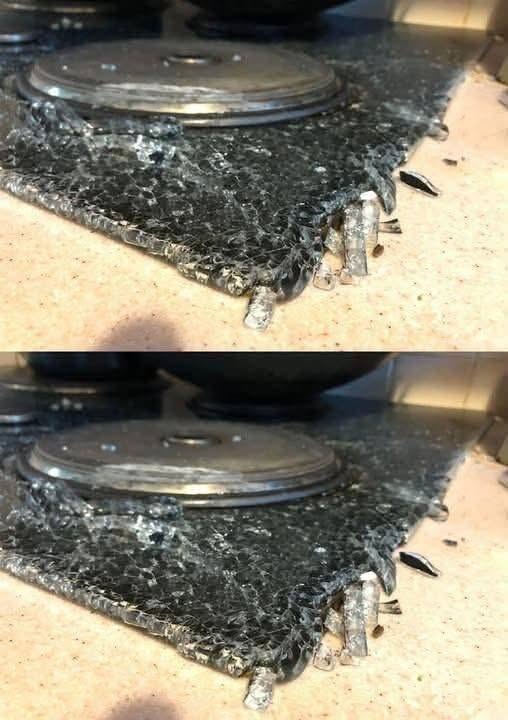
Glass-top electric stoves are popular because they look modern, provide a smooth cooking surface, and are relatively easy to clean. However, the glass-ceramic surface is not unbreakable. A single accident or an unexpected temperature change can cause serious damage and lead to an expensive repair.
Understanding what causes a glass cooktop to crack can help you protect your appliance and keep your kitchen safer.
1. Dropping Heavy Pots and Pans
One of the most common causes of glass cooktop damage is impact. Dropping a heavy frying pan, cast-iron skillet, glass jar, or metal utensil onto the surface can chip or crack the glass.
Even a small impact near the edge may weaken the surface and cause a crack to spread later.
How to avoid it: Place cookware gently on the stove instead of dropping it. Keep heavy kitchen items away from the edge of the cooktop, and avoid storing objects overhead where they could fall onto the glass.
2. Exposing the Glass to Sudden Temperature Changes
Glass-ceramic cooktops are designed to withstand normal cooking temperatures, but sudden temperature changes can create stress in the material.
For example, pouring cold water onto a very hot cooking surface may cause thermal shock. Placing cookware with an extremely hot base onto a cold area can also create problems, depending on the appliance and cookware.
How to avoid it: Allow the cooktop to cool according to the manufacturer’s instructions before cleaning it. Never pour cold water onto a hot surface to cool it quickly.
3. Sliding Heavy Cookware Across the Surface
Dragging pots and pans across the glass can cause scratches, particularly when their bases are rough or have trapped food particles. Scratches and chips can damage the surface and make it more vulnerable to further wear.
How to avoid it: Lift cookware when moving it from one cooking zone to another. Use pans with clean, smooth, flat bottoms that are suitable for your particular stove.
4. Using the Wrong Cookware
Not every pot or pan is suitable for every glass-top stove. Heavy cookware, rough-bottomed pans, and oversized pots may cause problems if they are incompatible with the appliance or used incorrectly.
Cast iron is not automatically unsuitable for every glass cooktop, but rough surfaces and careless handling can increase the risk of scratches or impact damage.
How to avoid it: Check the manufacturer’s recommendations for cookware materials, pan dimensions, and suitable cooking zones. Avoid placing excessive weight on the glass.
5. Ignoring Small Chips or Cracks
A tiny chip may appear harmless, but damage can spread as the cooktop heats and cools. A crack can also allow liquids to reach electrical components beneath the surface.
How to avoid it: Inspect the cooktop regularly and address damage promptly. Never assume that a small crack is safe simply because the burners still work.
What Should You Do If Your Glass Cooktop Cracks?
If you notice a crack or shattered glass, stop using the appliance immediately. Switch it off and disconnect its power at the circuit breaker if you can do so safely. Keep children and pets away from the area, and avoid touching loose glass fragments.
Do not attempt to repair the surface with glue, tape, or household sealants. Contact the manufacturer or a qualified appliance technician to determine whether the glass-ceramic panel can be replaced.
Final Thoughts
A glass-top stove can last for years when handled properly, but preventing damage requires a few simple habits: handle cookware carefully, avoid sudden temperature changes, use compatible pans, and never ignore visible cracks.
These precautions can help reduce the risk of damage, protect your investment, and make everyday cooking safer.