Kitchen Appliances You Should Unplug Before Going to Bed to Reduce Fire Risks
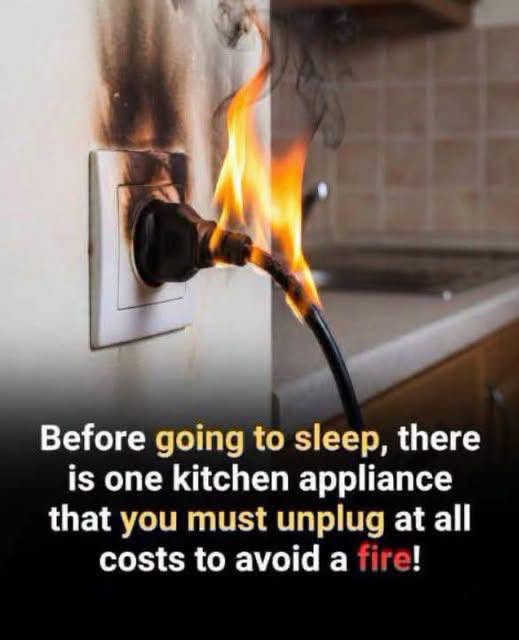
A photograph showing a power plug catching fire is a frightening reminder of the potential dangers of faulty electrical equipment. Viral posts often warn people to unplug a particular kitchen appliance before going to sleep, but the truth is more practical: several appliances deserve extra attention, and the condition of their plugs, cords, and electrical connections matters just as much as the appliance itself.
Unplugging selected appliances when they are not in use can reduce certain risks. However, there is no single kitchen appliance that everyone must unplug at all costs in every situation.
1. Toasters and Toaster Ovens
Toasters generate considerable heat and can accumulate crumbs and food debris. These materials may ignite under certain conditions, particularly if the appliance is damaged or misused.
After using a toaster, switch it off, allow it to cool safely, and unplug it if the manufacturer’s instructions recommend doing so. Clean accumulated crumbs regularly, and never insert metal utensils while the appliance is connected to power.
2. Electric Kettles
Electric kettles generally switch off automatically when the water reaches boiling point, but faults can still occur. A damaged cord, faulty switch, or electrical connection can create a hazard.
Use the kettle on a stable, dry surface, keep water away from its electrical base, and unplug it when appropriate, especially if its instructions recommend disconnecting it after use.
3. Coffee Makers
Some coffee makers keep their warming plates hot after brewing, while others use programmable timers or automatic shutoff features. Leaving a device operating unnecessarily can increase energy use and, depending on its design and condition, create additional risks.
Turn off the machine after use and follow the manufacturer’s recommendations about unplugging it. Never leave a malfunctioning coffee maker connected to power.
4. Air Fryers and Other Countertop Cooking Appliances
Air fryers, grills, and similar appliances produce high temperatures. Their vents must remain unobstructed, and they should be kept away from curtains, paper towels, and other combustible materials.
Switch them off after cooking and allow them to cool in accordance with the manufacturer’s instructions. Unplug them when they are no longer needed if recommended by the manufacturer.
5. Damaged Chargers, Plugs, and Extension Cords
Sometimes, the most important item to check is not a kitchen appliance but its electrical connection.
Warning signs include:
Frayed or cracked cables.
Loose plugs or sockets.
Burn marks or discoloration.
A burning smell or unusual buzzing.
Plugs or outlets that become excessively hot.
Stop using damaged equipment. Do not attempt to repair a live electrical connection yourself, and have a qualified electrician inspect suspect outlets or wiring.
Why Can an Electrical Plug Catch Fire?
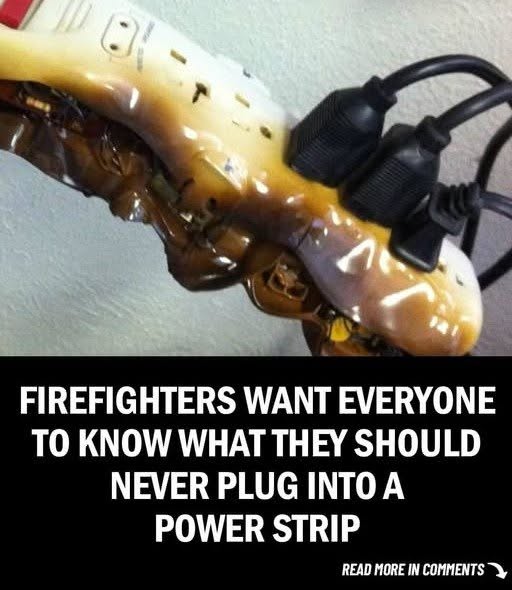
Electrical fires can result from loose connections, damaged insulation, overloaded circuits, defective equipment, or poor-quality electrical accessories. A loose connection can generate heat, while an overloaded extension lead may become dangerously hot.
The image accompanying the viral warning illustrates a possible electrical hazard, but it does not identify which appliance caused the fire or establish that unplugging one specific device would have prevented it.
What Should You Do Before Going to Sleep?
A few simple habits can help reduce electrical fire risks:
Switch off cooking appliances after use.
Unplug small appliances when appropriate and when their instructions recommend it.
Avoid overloading extension leads and power strips.
Keep electrical equipment away from water and combustible materials.
Never use appliances with damaged plugs or cords.
Install and maintain smoke alarms, and follow local fire-safety guidance.
Make sure appliances that must remain powered—such as refrigerators—are not disconnected unnecessarily.
Some appliances are designed to remain connected to power, so always consider their function and the manufacturer’s instructions.
What If You Notice Smoke or Flames at an Outlet?
Treat an electrical fire as an emergency. Do not touch the burning plug or attempt to pull it out of the socket. If it is safe to do so without approaching the fire, disconnect power at the circuit breaker; otherwise, leave immediately and contact the local emergency service.
Never throw water onto an electrical fire. Do not re-enter the area until it has been declared safe.
The Bottom Line
Unplugging selected countertop appliances after use is a sensible precaution, but fire prevention requires more than disconnecting one particular kitchen device. Proper maintenance, safe electrical connections, appropriate use, and functioning smoke alarms all play important roles.
Before bed, take a moment to check that cooking appliances are switched off and that no plugs, cords, or outlets show signs of overheating or damage. A small safety check can help you spot problems before they become emergencies.