What Is This Strange Creature Found in a Flooded Ditch?
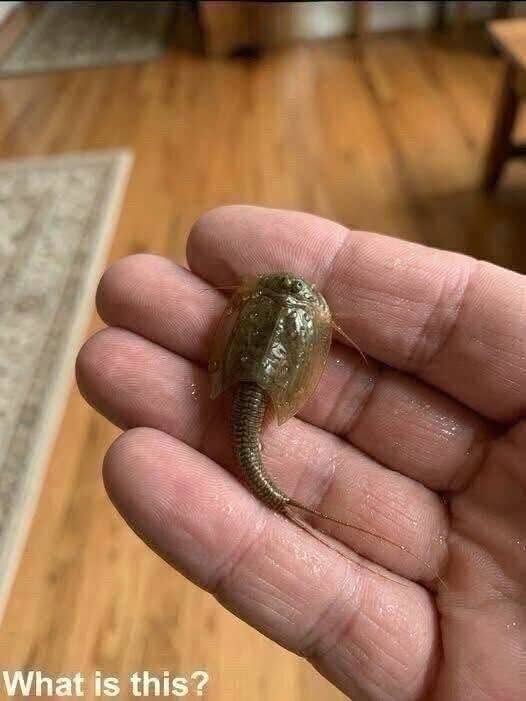
The alien-looking creature shown in the image is a Triops, commonly known as a tadpole shrimp (order Notostraca).
Often referred to as “living fossils,” these prehistoric freshwater crustaceans have existed virtually unchanged for over 200 million years, dating back to the Triassic period—meaning they survived the mass extinction that wiped out the dinosaurs.
Why Do They Suddenly Appear in Flooded Ditches?
Finding a Triops in a temporary puddle, flooded ditch, or retention pond is actually quite common after heavy rains. Here is how they survive:
Desiccation-Resistant Eggs: Triops lay tiny eggs that enter a state of suspended animation called diapause. These eggs can dry out completely and remain dormant in dry soil for years—sometimes over a decade—enduring extreme temperatures and drought.
Rapid Hatching and Growth: When heavy rain fills a dry ditch or depression, the submerged eggs hatch into larvae within 24 to 48 hours. They grow at an astonishing rate, reaching adulthood in under two weeks.
Short Life Cycle: Because temporary pools dry up quickly, a Triops’ entire lifespan lasts only 1 to 3 months. In that brief window, they feed, mature, and lay a new generation of drought-proof eggs in the mud before the water vanishes again.
Key Characteristics of Triops
Three Eyes: The name Triops comes from the Greek words for “three eyes.” They possess two primary compound eyes and a small third simple eye (ocellus) between them that detects light.
Shield-Like Shell: They feature a flattened, helmet-like carapace covering their head and front body, followed by a segmented abdomen ending in two long tail filaments.
Bottom Feeders: They use their dozens of tiny leaf-like legs (thoracopods) to swim and dig through mud, consuming algae, detritus, mosquito larvae, and small organic matter.
Are They Dangerous?
No, Triops are completely harmless to humans and pets. They do not bite, sting, or carry human-transmissible diseases. In fact, because they feed on mosquito larvae, they are beneficial for natural pest control in standing water.
Have you ever spotted one of these prehistoric creatures after a heavy rain? Let us know in the comments!