Found an Earwig in Your Home? Here’s What It May Mean
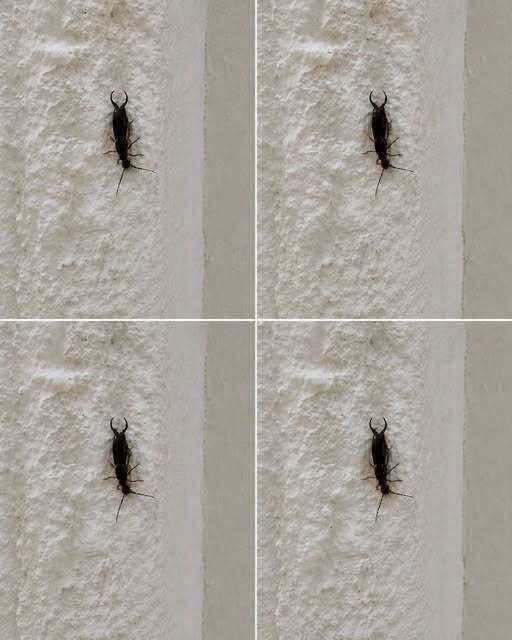
Finding an unfamiliar insect crawling on a wall can be unsettling, especially when it has a pair of pincers at the end of its body. The insect shown in the photo appears to be an earwig, a small insect that commonly lives outdoors and occasionally wanders inside houses.
But does finding one mean something is wrong with your home? Not necessarily. Understanding why earwigs enter buildings can help you decide what to do next.
What Is an Earwig?
Earwigs are elongated insects that are usually dark brown or black. Their most recognizable feature is the pair of forceps-like pincers at the rear of their abdomen.
They are generally active at night and spend much of the day hiding in dark, sheltered places. Outdoors, they may be found beneath stones, flowerpots, fallen leaves, pieces of wood, and other objects that provide protection and moisture.
Despite their intimidating appearance, earwigs are not considered a major health threat to people. They can pinch if handled, so it is best to remove them without touching them directly.
Why Do Earwigs Enter Homes?
An earwig inside your home may simply be looking for shelter or a suitable environment. Several factors can explain its presence.
1. Moisture and Damp Areas
Earwigs prefer cool, damp hiding places. Areas around leaking pipes, poorly drained foundations, or persistently wet outdoor spaces may provide suitable conditions for them.
Finding one does not prove that you have a water leak, but repeated sightings can be a reason to inspect areas where moisture accumulates.
2. Small Gaps Around Doors and Windows
These insects can enter through small openings around door frames, windows, vents, and other gaps in the building. They may also come inside on plants or other objects brought in from outdoors.
Sealing obvious entry points can reduce the chances of more insects getting inside.
3. Garden Debris Near the House
Piles of leaves, damp mulch, firewood, and other garden materials can provide shelter for earwigs near exterior walls. When conditions change, the insects may wander indoors.
Keeping these materials away from the foundation can help reduce the number of insects around your home.
4. Changes in Outdoor Weather
Very hot, dry, or otherwise unfavorable outdoor conditions can encourage earwigs to seek shelter in buildings. Their presence is not necessarily evidence of poor hygiene.
What Should You Do If You Find One?
If you discover an earwig indoors, you can take a few simple steps:
Remove the insect: Use a broom and dustpan or a vacuum cleaner.
Check for moisture: Inspect areas around plumbing, windows, and exterior walls for leaks or persistent dampness.
Seal entry points: Repair gaps around doors, windows, and other openings.
Clear outdoor hiding places: Remove accumulated leaves and unnecessary debris near the house.
Monitor the situation: Pay attention to whether the insect was an isolated visitor or part of a recurring problem.
If you regularly find large numbers of earwigs, inspect possible entry points and damp areas. A pest-control professional may help if the problem continues despite these measures.
Are Earwigs Dangerous?
Earwigs are generally considered nuisance insects rather than dangerous household pests. They do not normally attack people, and their pincers are primarily used for defense and other biological functions.
The common myth that earwigs deliberately crawl into people’s ears to lay eggs in their brains is not true.
Although some earwigs can damage garden plants, others feed on small insects or decaying organic material. Their presence outdoors is not always harmful.
Does Finding an Earwig Mean Your Home Is Dirty?
No. A single earwig does not establish that a home is dirty, infested, or unhealthy. These insects can enter clean homes through small openings while searching for shelter.
The more useful question is whether you are seeing them repeatedly and whether conditions around the property are attracting them.
If you notice recurring sightings, focus on moisture control, sealing gaps, and removing suitable hiding places rather than relying immediately on chemical treatments.
Final Thoughts
Finding an earwig in your home is usually not a reason to panic. It may simply be an outdoor insect that wandered inside while looking for shelter.
The best response is to remove it safely, check for damp conditions, and reduce possible entry points. If the insects appear frequently, a closer inspection can help identify the source.
Have you ever found an earwig inside your home? Was it just one insect, or have you noticed several? Share your experience in the comments.