What Is a Normal Blood Pressure at Different Ages?
Blood pressure is an important indicator of cardiovascular health. Checking it regularly can help people understand their health and recognize when they may need medical advice.
You may have seen charts online claiming that normal blood pressure changes dramatically with age. However, there is no single chart that provides an exact normal reading for every person at every age. Blood pressure guidelines differ between children and adults, and individual health conditions can also affect how readings are interpreted.
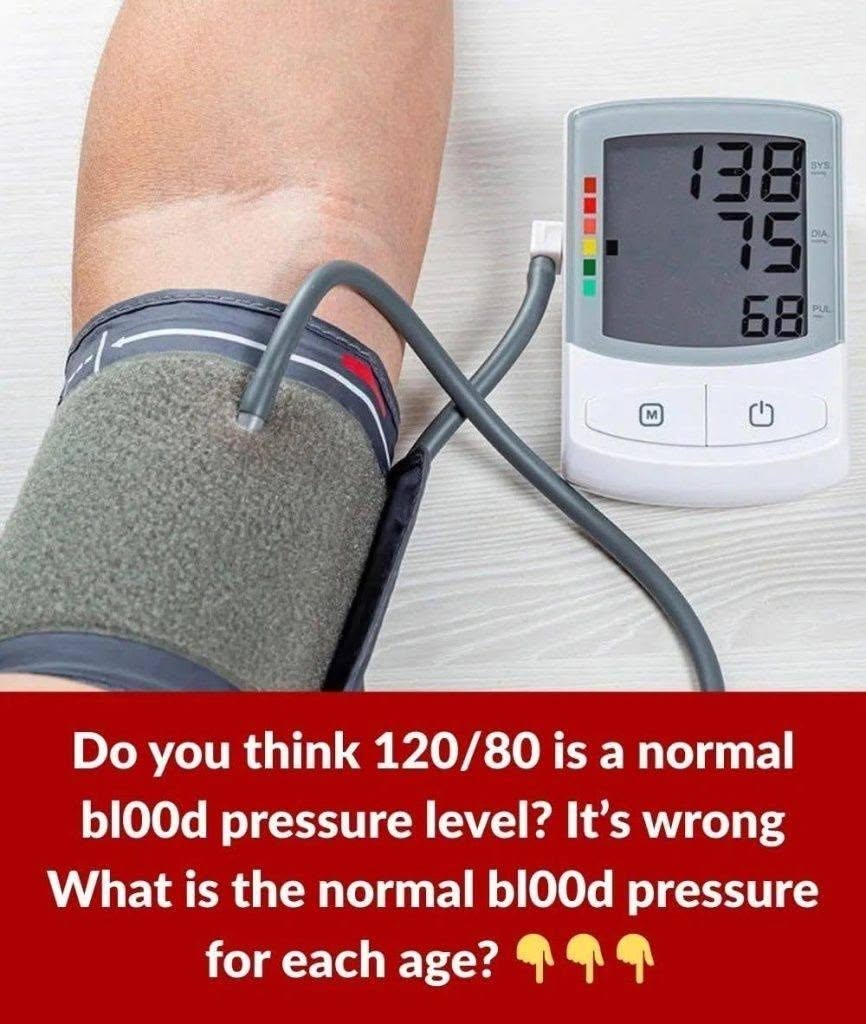
Is 120/80 a Normal Blood Pressure Reading?
A reading of 120/80 mmHg is commonly considered a useful reference point, but its interpretation depends on the guideline being used.
According to the American Heart Association, normal blood pressure for adults is below 120 systolic and below 80 diastolic. Under its classification system, a reading of 120–129 systolic with a diastolic value below 80 is considered elevated. A diastolic reading of 80–89 or a systolic reading of 130–139 falls within its stage 1 high blood pressure category. <Cite refs={[“turn270072search0″,”turn270072search4”]}/>
A single reading of 120/80 does not, by itself, establish a diagnosis of high blood pressure. Repeated measurements and the person’s overall health must be considered.
What Do the Two Blood Pressure Numbers Mean?
Blood pressure is recorded using two numbers, measured in millimeters of mercury (mmHg).
Systolic pressure: The upper number measures the pressure in the arteries when the heart contracts and pumps blood.
Diastolic pressure: The lower number measures the pressure in the arteries between heartbeats, when the heart relaxes.
For example, a reading of 120/80 means a systolic pressure of 120 mmHg and a diastolic pressure of 80 mmHg.
Both numbers matter when evaluating blood pressure. If either number falls into a higher category, healthcare professionals generally consider the higher category when interpreting an adult reading.
Blood Pressure Guidelines by Age Group
Blood pressure should be interpreted according to the person’s age and circumstances rather than an oversimplified age-based chart.
Babies and Young Children
Blood pressure in infants and children varies with age, height, and sex. Healthcare professionals use pediatric reference ranges and growth measurements to assess whether a child’s reading is appropriate.
Adult blood pressure categories should not be used to evaluate young children without professional guidance.
Teenagers
Blood pressure assessment during adolescence depends on age and the guidelines used. Some pediatric guidelines use age, height, and sex, while other guidelines use adult-style thresholds for older adolescents.
A healthcare professional can determine whether a teenager’s reading needs further evaluation.
Adults
For adults, the American Heart Association uses the following blood pressure categories:
Category
Systolic pressure
Diastolic pressure
Normal
Below 120
Below 80
Elevated
120–129
Below 80
Stage 1 high blood pressure
130–139
80–89
Stage 2 high blood pressure
140 or higher
90 or higher
These categories apply when either the systolic or diastolic value reaches the relevant threshold. They are intended to guide assessment, not replace an individual medical evaluation. <Cite refs={[“turn270072search0″,”turn270072search4”]}/>
Older Adults
Blood pressure can change as people age. Arteries may become less flexible, and conditions affecting the heart, kidneys, or circulation can influence readings.
However, older adults do not all share the same ideal blood pressure target. Treatment goals may depend on general health, medication use, frailty, other medical conditions, and the risk of side effects such as dizziness or falls.
Older adults should discuss their individual targets with a healthcare professional rather than trying to reach a number based solely on age.
Why Can Blood Pressure Change?
Blood pressure naturally fluctuates throughout the day. Several factors can temporarily influence a reading, including:
Physical activity shortly before measurement.
Stress or anxiety.
Caffeine or nicotine.
Pain or illness.
Certain medications.
Poor sleep or inadequate rest.
These changes do not necessarily indicate a long-term blood pressure problem. Repeated measurements taken under appropriate conditions provide more useful information than a single result.
How to Measure Blood Pressure Correctly
Accurate measurement is essential when checking blood pressure at home.
Follow these steps:
Avoid exercise, smoking, and caffeine for about 30 minutes before measuring.
Empty your bladder if necessary and sit quietly for at least five minutes.
Sit with your back supported and both feet flat on the floor.
Place the cuff on your bare upper arm and support your arm at heart level.
Avoid talking or moving during the measurement.
Take two readings about one minute apart and record the results.
Use a properly fitting cuff and follow the instructions supplied with your monitor. If home readings are repeatedly high or unusually low, discuss them with a healthcare professional.
When Should You Seek Medical Advice?
Arrange a medical assessment if your blood pressure readings are repeatedly above the recommended range or if you experience recurring dizziness, faintness, or other concerning symptoms.
If a reading is above 180 systolic and/or 120 diastolic, wait at least one minute and measure again. If it remains that high, contact a healthcare professional immediately. If it is accompanied by chest pain, shortness of breath, weakness, numbness, changes in vision, or difficulty speaking, seek emergency medical care. <Cite refs={[“turn270072search0″,”turn270072search1”]}/>
Do not change prescribed blood pressure medication based on a single reading without medical advice.
Healthy Habits That Support Blood Pressure
Several everyday habits can support cardiovascular health:
Eat a balanced diet that includes vegetables, fruit, and other nutritious foods.
Limit excess sodium in your diet.
Engage in regular physical activity suited to your abilities.
Maintain a healthy weight where appropriate.
Avoid smoking.
Get sufficient sleep and develop practical ways to manage stress.
Take prescribed medications as directed.
These habits can help support healthy blood pressure, although some people also need medical treatment.
Final Thoughts
Understanding blood pressure is more useful than memorizing a single number for every age. Adult readings are interpreted using established categories, while children require age-appropriate assessment. Older adults may also need individualized treatment targets.
A reading of 120/80 mmHg is not automatically a sign of illness. The most useful approach is to measure blood pressure correctly, pay attention to repeated results, and consult a healthcare professional when readings or symptoms raise concerns.
Do you check your blood pressure regularly at home? Keeping a record of your readings can help you and your healthcare professional identify patterns and make informed decisions about your health.