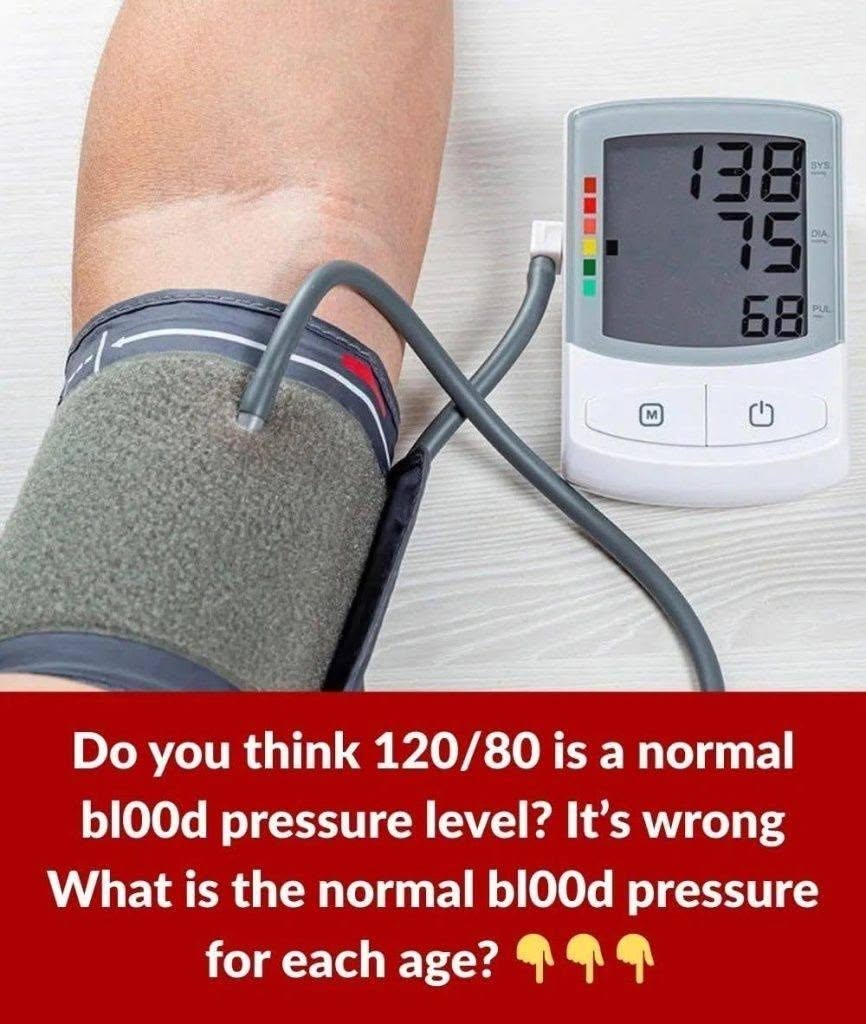
What Is Normal Blood Pressure at Every Age? Understanding the Numbers That Matter
Blood pressure is one of the most important indicators of cardiovascular health. Yet many people believe that a reading of 120/80 mmHg is the only normal value, regardless of age. The truth is that blood pressure can vary with age, activity, stress, medications, and overall health.
Understanding your readings can help you recognize when it is time to seek medical advice.
Is 120/80 Considered Normal Blood Pressure?
A reading of 120/80 mmHg is commonly used as a reference point, but current American Heart Association guidance defines normal blood pressure for adults as below 120 systolic and below 80 diastolic.
Blood pressure has two numbers:
Systolic pressure (the top number): The pressure in your arteries when your heart beats.
Diastolic pressure (the bottom number): The pressure in your arteries between heartbeats.
For example, a reading of 118/76 mmHg falls within the normal adult range. A reading of 120/80 is not automatically an emergency, but it does not fall within the strict normal category under these guidelines.
Blood Pressure Categories for Adults
The following categories are based on American Heart Association guidance for adults.
Category
Blood pressure
Normal
Below 120 and below 80
Elevated
120–129 and below 80
High blood pressure, stage 1
130–139 or 80–89
High blood pressure, stage 2
140 or higher, or 90 or higher
Severely high
Higher than 180 and/or higher than 120
These categories apply to adults and should not be used as a universal chart for young children. A healthcare professional must consider repeated measurements and individual circumstances before diagnosing hypertension.
Does Normal Blood Pressure Change With Age?
Blood pressure often increases as people get older because arteries can become less flexible over time. However, this does not mean that high blood pressure is an unavoidable or harmless part of aging.
There is no single set of normal blood pressure numbers for every age from childhood to old age.
Children: Normal readings depend on age, sex, and height. A pediatrician should interpret them using appropriate reference charts.
Teenagers: Blood pressure is assessed according to age-specific guidance in younger adolescents. From age 13, commonly used US guidelines apply the adult numerical categories.
Adults aged 18–39: The general adult categories apply. Regular monitoring is useful, even in the absence of symptoms.
Adults aged 40–59: The same adult categories apply. Family history, lifestyle, diabetes, kidney disease, and other factors can affect cardiovascular risk.
Adults aged 60 and older: The same general categories remain useful, although a clinician may set an individualized treatment target based on overall health, medications, frailty, and the risk of dizziness or falls.
A chart claiming that everyone should have a different fixed blood pressure based only on their age can therefore be misleading.
What About Low Blood Pressure?
Low blood pressure is often described as a reading below 90/60 mmHg, although whether it is a problem depends on the person and their symptoms.
Some people naturally have lower readings without feeling unwell. Others may experience dizziness, weakness, blurred vision, or fainting.
If low readings are accompanied by symptoms, occur suddenly, or follow a change in medication, seek medical advice. Fainting, confusion, chest pain, severe shortness of breath, or signs of shock require urgent medical assessment.
How to Measure Blood Pressure Correctly at Home
An inaccurate measurement can lead to unnecessary worry or a false sense of security. To improve accuracy:
Avoid caffeine, smoking, and exercise for at least 30 minutes before measuring.
Empty your bladder and sit quietly for five minutes.
Keep your back supported, feet flat on the floor, and legs uncrossed.
Place the cuff on your bare upper arm and support the arm at heart level.
Do not talk during the measurement.
Take two readings about one minute apart and record both.
Use a properly fitting, validated upper-arm monitor whenever possible. If readings are repeatedly high, share your records with a healthcare professional.
When Should You Seek Medical Attention?
A single elevated reading does not necessarily mean you have hypertension. Repeated readings provide a more reliable picture, and a clinician can confirm whether treatment is needed.
If your blood pressure is higher than 180 systolic and/or 120 diastolic, wait at least one minute and measure again. If it remains that high, contact a healthcare professional immediately. If you also experience chest pain, shortness of breath, weakness, numbness, vision changes, or difficulty speaking, seek emergency medical help.
The Bottom Line
Blood pressure is influenced by more than age alone. For most adults, a reading below 120/80 mmHg is considered normal under current US guidelines, but the right interpretation depends on repeated measurements, symptoms, and personal health circumstances.
Rather than relying on viral age-based charts, monitor your blood pressure correctly and discuss persistent high or low readings with a healthcare professional. Knowing your numbers is a useful step toward protecting your heart, brain, and overall health.