What Happens to Your Body When You Eat Bananas Regularly? 7 Potential Health Benefits
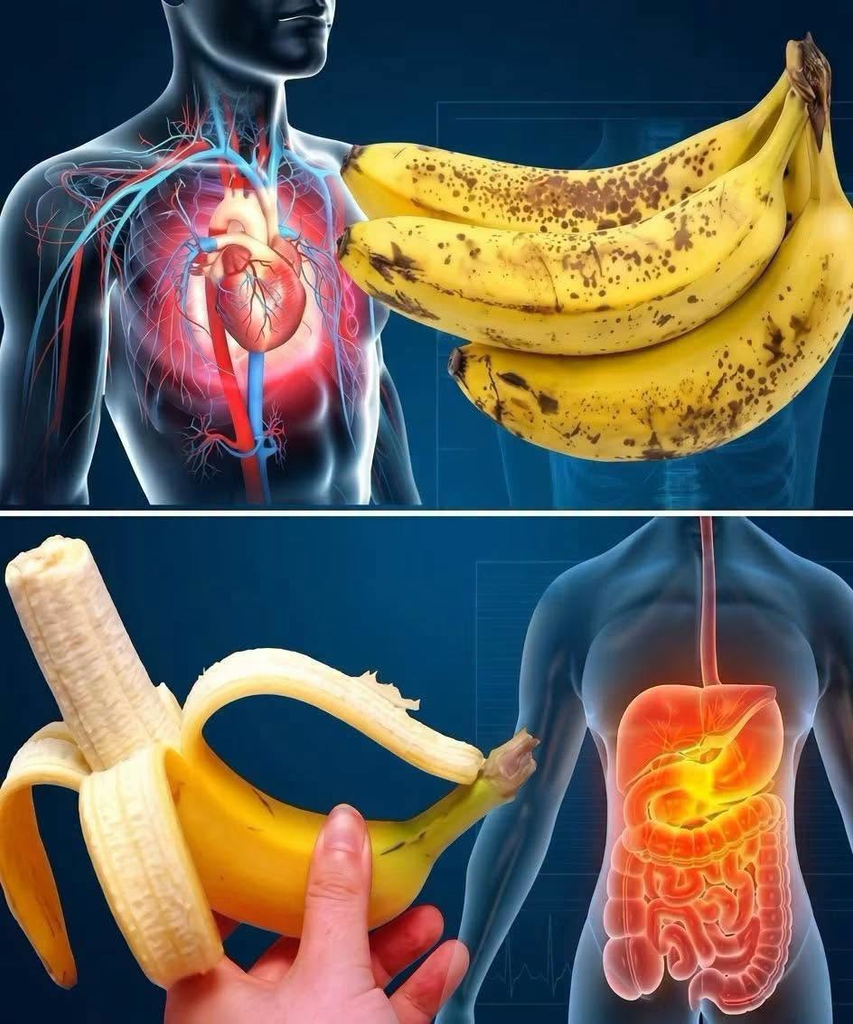
Bananas are among the world’s most popular fruits, valued for their naturally sweet flavor, convenient packaging, and nutritional benefits. But beyond being an easy snack, bananas provide important nutrients that support several functions in the body.
Rich in potassium, fiber, vitamin B6, and carbohydrates, bananas can be a useful part of a balanced diet. Although viral posts sometimes suggest that eating bananas dramatically transforms your health, the real benefits are more practical—and worth understanding.
1. They Help Support Healthy Blood Pressure
One of the best-known nutritional benefits of bananas is their potassium content. A medium banana contains approximately 422 milligrams of potassium.
Potassium helps regulate fluid balance and supports normal muscle and nerve function. It also helps counterbalance some of sodium’s effects on blood pressure.
Eating potassium-rich foods, including bananas, can contribute to a heart-healthy diet. However, bananas alone cannot prevent or treat high blood pressure, and prescribed medication should never be replaced with dietary changes without medical advice. <Cite refs={[“turn959438search2″,”turn959438search6”]}/>
2. They Support Healthy Digestion
Bananas contain dietary fiber, which helps support regular bowel movements and overall digestive health.
They also contain resistant starch, particularly when they are less ripe. Resistant starch passes through the small intestine largely undigested and can be used by beneficial bacteria in the large intestine.
Ripe bananas have a softer texture and may be easier for some people to tolerate. Individual responses vary, so people who experience bloating or other digestive symptoms should pay attention to their own tolerance.
3. They Provide Energy for Everyday Activities
Bananas contain carbohydrates that the body can use for energy. This makes them a convenient snack before exercise, during a busy day, or after physical activity.
Pairing a banana with yogurt, nuts, or another protein-containing food can make a more substantial snack that helps keep you satisfied for longer.
4. They Help Maintain Normal Muscle and Nerve Function
Potassium and vitamin B6 are among the nutrients found in bananas.
Potassium is essential for normal nerve signaling and muscle contraction, while vitamin B6 supports protein metabolism and the production of several important neurotransmitters.
Eating bananas can help contribute to your daily nutrient intake, but they are not a guaranteed remedy for muscle cramps. Cramps can have many causes, including exercise, dehydration, medications, and other medical conditions.
5. They Contribute to Heart Health
Bananas contain potassium and fiber, both of which can be useful components of a balanced eating pattern.
A diet rich in fruits, vegetables, whole grains, and other minimally processed foods is associated with better cardiovascular health. Bananas can contribute to this pattern, especially when they replace snacks high in added sugar or sodium.
The overall quality of your diet matters more than relying on one particular fruit.
6. They Provide Vitamin B6 and Other Important Nutrients
A medium banana provides approximately 0.4 milligrams of vitamin B6, along with smaller amounts of vitamin C, magnesium, and other nutrients.
Vitamin B6 contributes to normal brain development, immune function, and the body’s processing of proteins. Vitamin C supports normal immune function and helps the body produce collagen.
Bananas are not a complete source of all the nutrients you need, so eating a variety of fruits, vegetables, legumes, whole grains, and protein sources remains important.
7. They Can Fit Into a Balanced Weight-Management Plan
A medium banana contains around 105 calories and approximately 3 grams of fiber.
Its fiber and natural sweetness can make it a satisfying alternative to some highly processed snacks. Bananas can fit into a weight-management plan, but they do not independently cause weight loss or burn body fat.
Portion sizes, overall calorie intake, physical activity, sleep, and other dietary habits all influence weight management.
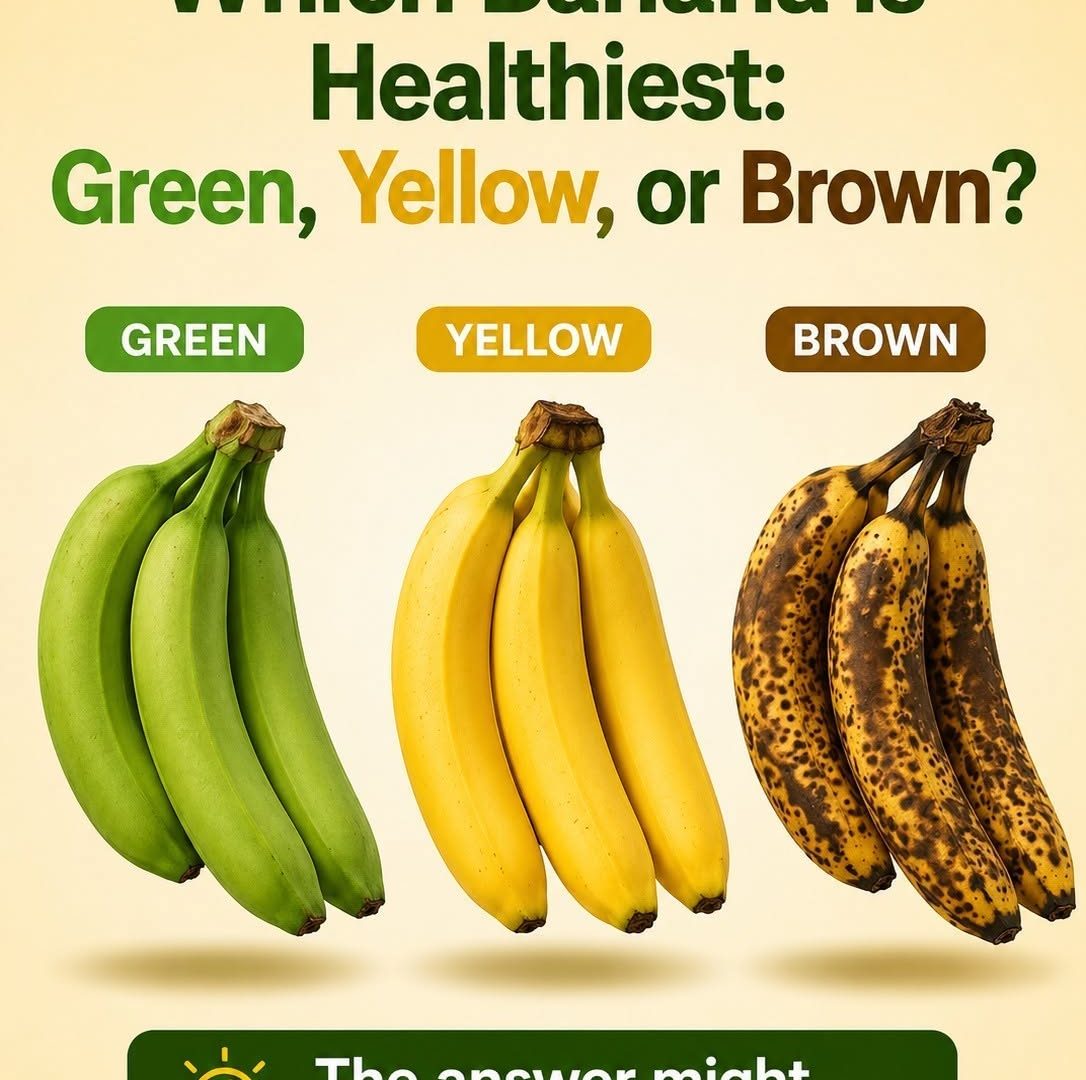
Are Brown-Spotted Bananas Healthier Than Green Ones?
The ripeness of a banana changes its texture, sweetness, and carbohydrate composition.
Green bananas: Generally contain more resistant starch and less sugar from starch breakdown.
Yellow bananas: Offer a balance of sweetness, softness, and carbohydrates.
Brown-spotted bananas: Tend to be sweeter because more of their starch has been converted into sugars.
Brown spots on the peel are usually a normal sign of ripening. However, discard bananas that show signs of mold, leaking, or an unusual rotten smell.
There is no strong evidence that brown-spotted bananas have a special ability to cure disease or provide dramatically greater health benefits than other ripe bananas.
Who Should Be Careful About Eating Bananas?
Most people can enjoy bananas safely as part of a varied diet. However, people with advanced kidney disease or conditions that impair potassium regulation may need to limit potassium-rich foods depending on their laboratory results and medical advice.
People with diabetes can generally include bananas in their meal plans, but portion size, ripeness, and the total carbohydrate content of the meal can affect blood glucose.
If you have been advised to follow a specific potassium or carbohydrate restriction, ask your healthcare professional or dietitian how bananas fit into your plan. <Cite refs={[“turn959438search1″,”turn959438search6”]}/>
How Many Bananas Should You Eat Each Day?
There is no single ideal number for everyone. For many healthy adults, one banana can be a convenient way to include fruit in their daily diet, while individual needs vary with activity level, dietary preferences, and medical conditions.
The goal should be variety rather than eating large quantities of one fruit. Apples, oranges, berries, vegetables, beans, and other potassium-containing foods can provide a wider range of nutrients.
The Bottom Line
Bananas can support a healthy diet by providing potassium, fiber, vitamin B6, and readily available energy. They may contribute to healthy blood pressure, digestion, muscle function, and overall nutritional balance when eaten as part of a varied diet.
However, no banana—regardless of its ripeness—can detoxify the body, cure a disease, or replace necessary medical treatment.
The simplest takeaway: Enjoy bananas regularly if you like them, combine them with a variety of nutritious foods, and focus on consistent healthy habits rather than miracle-food claims.
This article is for general educational purposes and is not a substitute for individualized medical advice.