Does Anyone Actually Eat Brussels Sprouts? The Science Behind the Hate (and Love)
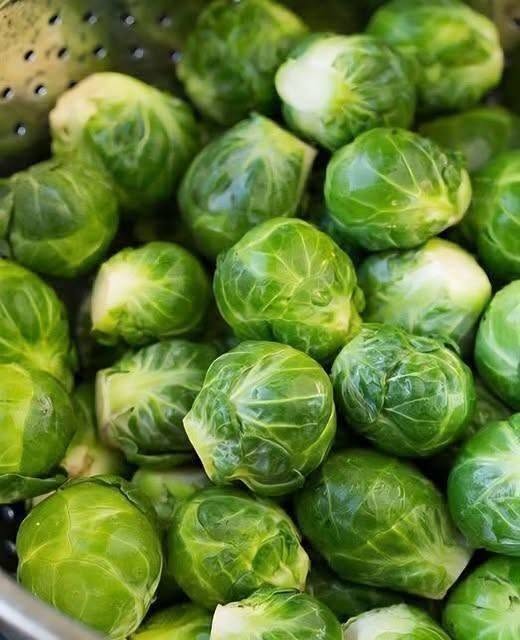
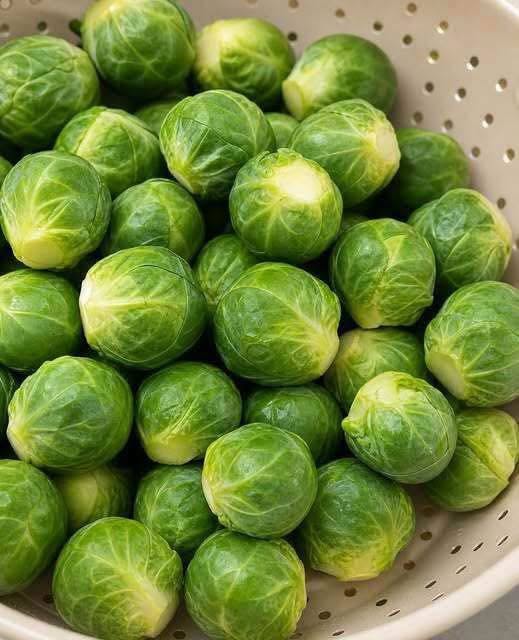
Brussels sprouts are easily one of the most divisive vegetables on the dinner table. While many people carry childhood memories of bitter, soggy, over-boiled sprouts, these mini cabbages have experienced a massive culinary revival in recent years.
Why do some people despise Brussels sprouts while others consider them a gourmet favorite?
Here is the scientific explanation behind the taste divide, their remarkable health benefits, and how to cook them so they actually taste delicious:
1. The Problem: Why Do So Many People Hate Them?
The intense aversion to Brussels sprouts comes down to two specific scientific factors:
Genetics of Taste: Brussels sprouts contain organic chemical compounds called glucosinolates (specifically sinigrin). Roughly 50% of the human population carries a specific gene variation (TAS2R38) that makes these chemical compounds taste unbearably bitter.
Overcooking (Sulfur Release): Boiling Brussels sprouts causes their sulfur compounds to break down into dimethyl trisulfide. This produces that off-putting, pungent “cabbage odor” and turns the vegetable into a mushy, bitter mess.
2. Explanation: Surprising Health & Nutritional Benefits
Despite their bad reputation among picky eaters, Brussels sprouts are nutrient-dense superfoods:
Rich in Antioxydants: They contain high levels of sulforaphane, a powerful antioxidant researched for its role in reducing oxidative stress and supporting cellular health.
Vitamin K Powerhouse: A single serving provides over 100% of your daily recommended intake of Vitamin K (essential for bone health and blood clotting), along with high amounts of Vitamin C.
Digestive Health: Packed with dietary fiber, they support a healthy gut microbiome, aid digestion, and help maintain steady blood sugar levels.
3. Advice & Prevention: How to Make Them Taste Amazing
If you want to enjoy Brussels sprouts, changing the cooking method makes all the difference:
High-Heat Roasting: Slice them in half, toss them in olive oil, sea salt, black pepper, and garlic powder, and roast them at 400°F (200°C) for 20 to 25 minutes. High heat caramelizes their natural sugars, turning them crispy, sweet, and nutty.
Flavor Pairing: Balance any remaining bitterness by pairing them with savory or sweet elements like crispy bacon, a drizzle of balsamic glaze, maple syrup, or freshly grated parmesan cheese.
Medical Disclaimer
This article is for informational purposes only and does not substitute for professional medical or nutritional advice. Individuals taking blood-thinning medications (such as Warfarin/Coumadin) should maintain consistent Vitamin K intake and consult their physician before significantly increasing their consumption of leafy green vegetables and Brussels sprouts.