The Causes of Autism: Scientific Breakthroughs vs. Social Media Sensationalism
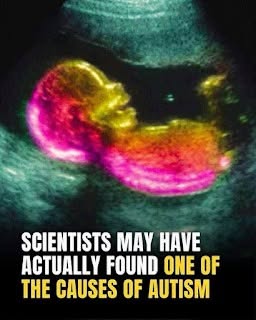
Announcements regarding medical breakthroughs—especially those involving neurodevelopmental conditions—generate immense interest and emotional reactions across social media platforms. A viral post featuring a colorful fetal ultrasound image carries a dramatic headline: “Scientists may have actually found one of the causes of autism.”
This type of content quickly sparks widespread debate among parents, healthcare advocates, and individuals within the autism spectrum community.
Here is the scientific reality behind autism research, the dangers of sensationalized health headlines, and how to evaluate medical claims critically:
1. The Problem: Social Media Clickbait and the Search for Simple Answers
Autism spectrum disorder (ASD) affects millions of families globally, yet the search for clear answers often opens the door to misleading information:
The Oversimplification Trap: People naturally look for clear, single-factor explanations for complex health conditions, making headlines claiming to find “the cause” extremely compelling.
Sensationalized Headlines: Captions such as “This can change everything!” frequently exaggerate preliminary findings, early animal studies, or unproven hypotheses to generate viral shares and clicks.
Misinformation and Stigma: Historically, poorly vetted claims and sensationalized media reports have fueled harmful myths, unwarranted guilt for parents, and mistrust in legitimate medical science.
2. Explanation: What Does Science Actually Say About the Causes of ASD?
The global scientific and medical consensus agrees that autism does not stem from a single isolated cause, but rather from a complex combination of factors:
Strong Genetic Basis: Large-scale genomic studies have identified hundreds of gene variants associated with brain development, synaptic function, and neural connectivity.
Prenatal and Environmental Factors: Research investigates how certain factors during fetal development—such as advanced parental age, extreme prematurity, maternal immune responses, or exposure to specific prescription medications during pregnancy—may influence neurodevelopmental outcomes.
Early Brain Development: Autism is a neurodevelopmental condition that begins early in brain formation during pregnancy, which is why researchers often utilize advanced prenatal imaging techniques in fundamental studies.
3. Advice & Steps: How to Fact-Check Viral Medical Claims
To protect yourself from health misinformation when scrolling online:
1. Check for Peer-Reviewed Sources
Look beyond social media graphics. Verify whether the underlying study was published in a reputable, peer-reviewed medical journal (such as Nature, The Lancet, or JAMA).
2. Distinguish Between Correlation and Causation
A scientific study identifying a single biological marker or risk factor does not mean a universal “cause” or “cure” has been discovered.
3. Rely on Official Health Organizations
Consult established public health bodies (such as the WHO or CDC) and certified medical professionals rather than unverified viral posts for guidance on neurodevelopmental health.
Disclaimer & Safety Guidelines
This article is provided for informational and general educational purposes regarding medical literacy and science reporting. Autism Spectrum Disorder (ASD) is a complex neurodevelopmental condition that requires individualized support from qualified professionals. Information found on social media should never replace professional medical advice, clinical diagnosis, or evaluation by a licensed healthcare provider.