What Happens to Your Heart When You Eat Eggs? The Science Behind This Everyday Food
Eggs are among the most widely consumed foods in the world. They are affordable, versatile, and packed with important nutrients. But can eating eggs actually benefit your heart?
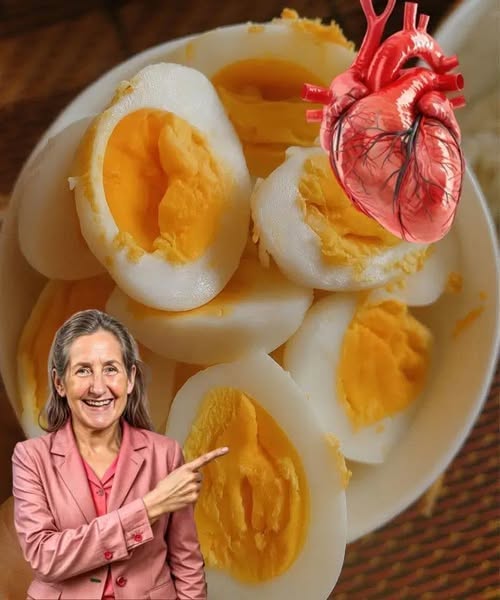
A viral social media image showing boiled eggs alongside an anatomical illustration of the heart has attracted attention with the claim that eggs can do more inside the body than most people realize.
The science is interesting, but the real story is more nuanced than a simple claim that eggs protect your heart.
1. Eggs Provide Important Nutrients
Eggs contain several nutrients that support normal body functions, including:
High-quality protein: Helps maintain muscles and supports tissue repair.
Choline: Plays an important role in brain function, cell membranes, and normal liver function.
Vitamin B12: Supports nerve function and red blood cell production.
Vitamin D: Contributes to bone health and normal immune function.
Selenium: Helps protect cells from oxidative damage.
Lutein and zeaxanthin: Antioxidants that accumulate in the eyes and support eye health.
Eggs also contain small amounts of other vitamins and minerals.
2. Are Eggs Good or Bad for Your Heart?
This is where the research becomes more complicated.
Egg yolks contain dietary cholesterol, which has historically raised concerns about cardiovascular health.
However, research does not show a simple relationship between eating eggs and developing heart disease.
A large 2020 analysis of prospective studies found that eating up to one egg per day was not associated with an increased overall risk of cardiovascular disease. A more recent umbrella review, published in 2025, also concluded that the available evidence is not strong enough to recommend avoiding eggs altogether.
Nevertheless, dietary cholesterol can affect blood cholesterol levels, particularly in some individuals. The overall diet, lifestyle, and existing health conditions also matter.
3. What About LDL and HDL Cholesterol?
Cholesterol is transported through the bloodstream by different particles.
LDL cholesterol: Often called “bad cholesterol” because elevated levels contribute to plaque buildup in arteries.
HDL cholesterol: Often called “good cholesterol” because it helps transport cholesterol away from tissues.
Egg consumption can affect blood cholesterol differently from one person to another. Some people experience a more noticeable increase in LDL cholesterol than others.
For this reason, people with high LDL cholesterol, familial hypercholesterolemia, or certain cardiovascular conditions should discuss their dietary choices with a healthcare professional.
4. Does the Way You Prepare Eggs Matter?
Absolutely. The nutritional value of a meal depends not only on the eggs but also on what accompanies them.
Boiled eggs: A practical option because they require no added cooking oil.
Poached eggs: Another option that does not require additional fat.
Fried eggs: Can contain additional calories and fat depending on the cooking oil or butter used.
Eggs with processed meat: Regularly combining eggs with bacon, sausages, or other processed meats may increase the amount of sodium and saturated fat in the meal.
For a balanced breakfast, consider pairing eggs with vegetables, whole-grain bread, and fresh fruit.
5. How Many Eggs Can You Eat?
There is no single number that is appropriate for everyone.
For many healthy adults, moderate egg consumption can fit into a balanced eating pattern. However, individual recommendations may differ depending on cholesterol levels, diabetes, cardiovascular history, and the rest of the diet.
Rather than focusing on eggs alone, it is important to consider the quality of the entire eating pattern.
The Bottom Line
Eggs are nutritious foods that provide high-quality protein, vitamins, minerals, and other beneficial compounds. Current research does not support the idea that everyone should avoid eggs because of their cholesterol content.
However, eggs are not a miracle food and should not be considered a treatment or guaranteed protection against heart disease.
A heart-healthy lifestyle depends on a combination of balanced nutrition, regular physical activity, healthy cholesterol levels, adequate sleep, and avoiding smoking.
How do you usually eat your eggs: boiled, fried, scrambled, or poached? And how many eggs do you typically eat in a week?