Drooling While Sleeping: What It Really Means for Your Brain and Health
Waking up with a damp cheek or pillow is an extremely common experience. Popular viral claims often suggest that drooling during sleep is a sign that your brain is resting perfectly or that you have achieved a deeply restorative REM sleep cycle.
While muscle relaxation during sleep certainly plays a major role, frequent night drooling can also reveal important details about your breathing patterns, sleeping positions, and overall health.
Here is the medical breakdown of why drooling happens, how it connects to brain function, and how to prevent it:
1. The Problem: Why Do We Drool During Sleep?
Throughout the day, we unconsciously swallow saliva as our salivary glands produce it. During sleep, however, this swallowing reflex slows down significantly:
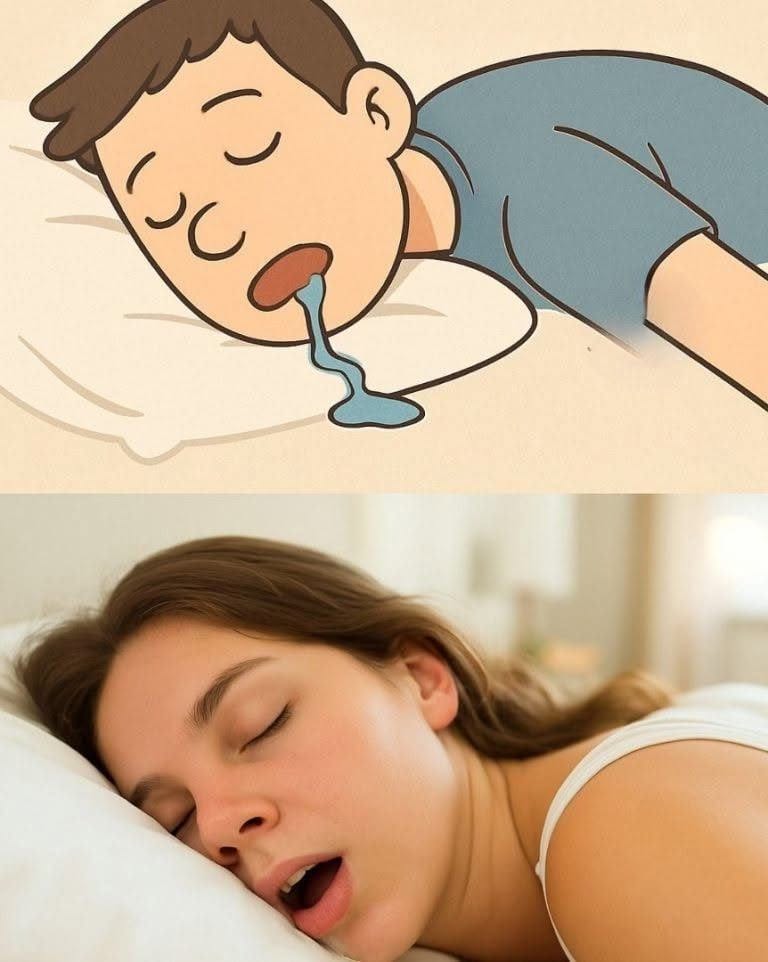
Muscle Relaxation & Brain Function: As your brain transitions into deep or REM (Rapid Eye Movement) sleep stages, the facial and swallowing muscles completely relax. If your mouth falls open, gravity naturally causes accumulated saliva to escape.
Sleeping Position: Side and stomach sleeping are the primary physical drivers of nocturnal drooling, as gravity draws fluids outward toward the pillow.
Mouth Breathing: Chronic nasal congestion, allergies, or a deviated septum force you to breathe through your mouth while sleeping, keeping the lips parted and allowing saliva to flow.
2. Explanation: Restorative Sleep vs. Health Concerns
In most cases, occasional drooling is entirely harmless, but persistent or excessive drooling (sialorrhea) can sometimes point to underlying issues:
A Sign of Deep Rest: When it occurs occasionally, drooling simply confirms that your body and brain reached maximum muscular relaxation during deep sleep cycles.
Sleep Apnea Alert: If drooling is accompanied by loud snoring, gasping for air, waking up with a dry mouth, or daytime fatigue, it may be a symptom of Obstructive Sleep Apnea (OSA).
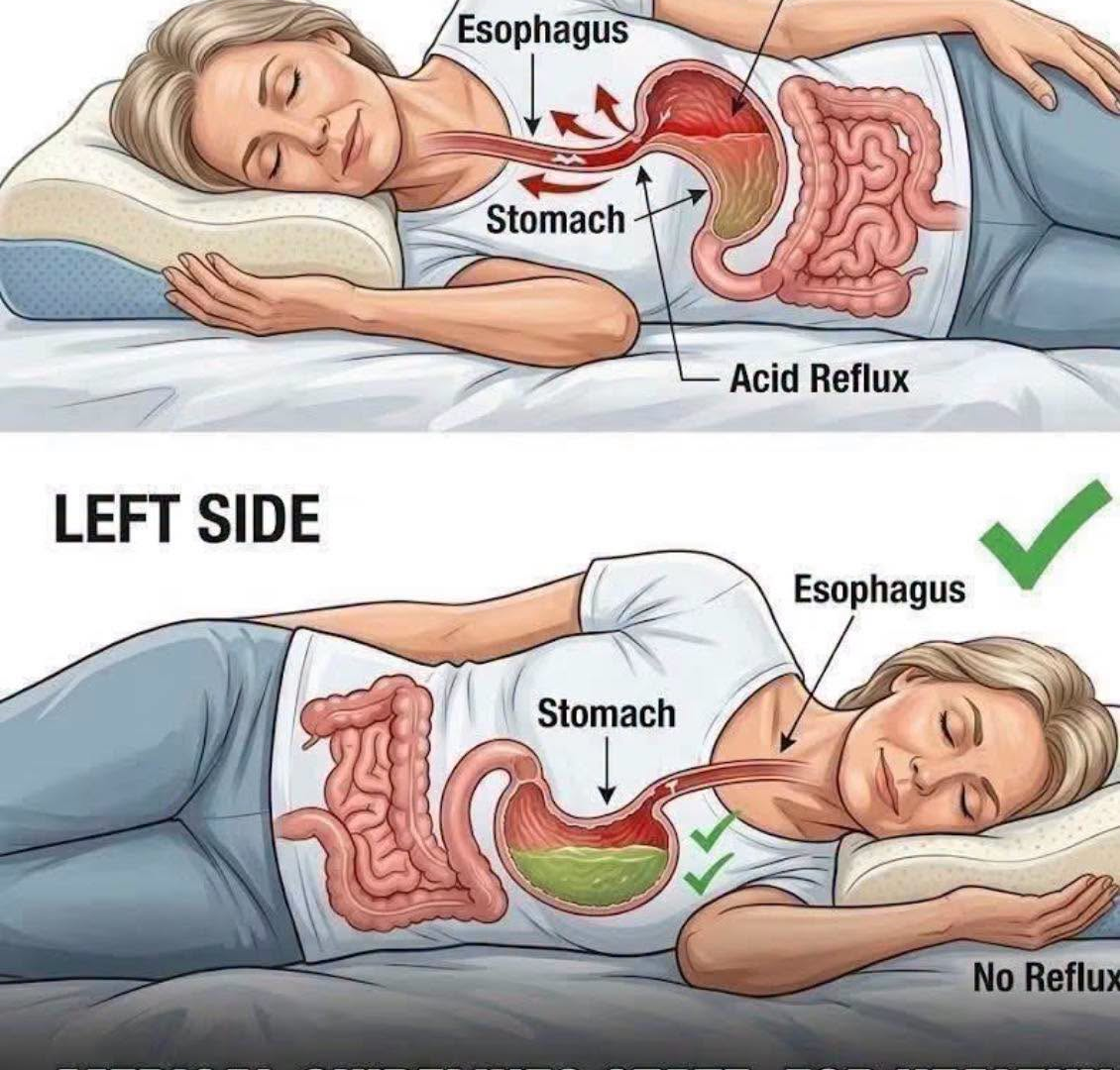
Acid Reflux (GERD): Stomach acid rising into the esophagus can trigger the body to produce excess saliva as a protective mechanism to neutralize the acid.
3. Advice & Solutions: How to Reduce Nighttime Drooling
If nighttime drooling is causing discomfort or interrupting your rest, try these practical adjustments:
Switch Your Sleeping Position: Try sleeping on your back. In this position, saliva naturally settles at the back of the throat, triggering the automatic swallowing reflex rather than pooling out.
Clear Your Nasal Passages: Address allergies, use a saline nasal spray, or take a warm shower before bed to open airways and encourage healthier nasal breathing.
Treat Acid Reflux: Avoid heavy, acidic, or late-night meals that can trigger GERD and excessive salivary production during the night.
Medical Disclaimer
This article is for informational purposes only and does not substitute for professional medical or sleep medicine advice. If you experience sudden, excessive drooling, difficulty swallowing, or signs of sleep apnea, consult a qualified healthcare provider promptly.