“Colon Cleanse in 3 Hours”: Fact-Checking Miracle Constipation Remedies vs. Medical Reality
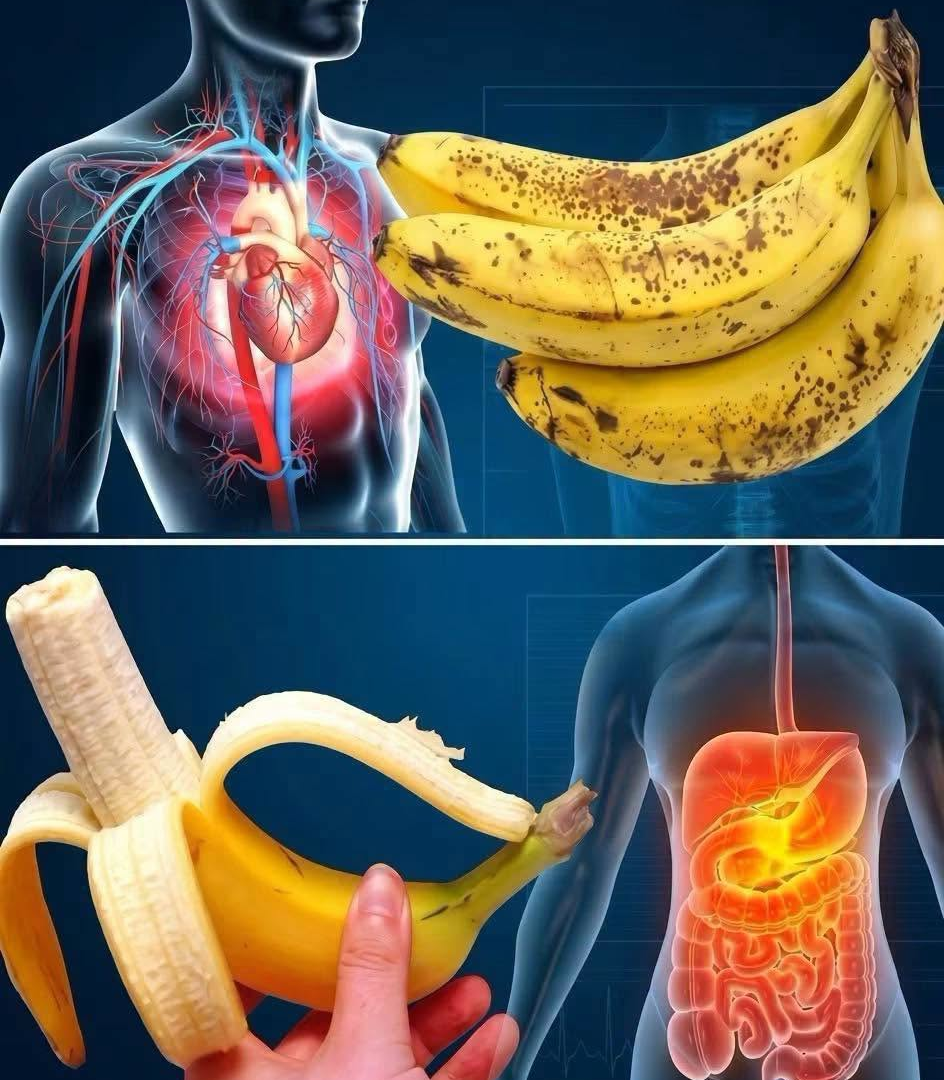
Miracle recipes promising to flush the digestive system and resolve constipation within hours frequently go viral across social media platforms. The shared image displays a stylized anatomical diagram of the colon next to chopped fruits (such as apples), accompanied by a dramatic claim: “With a tablespoon in the morning, it dislodges all the poop for 7 days in 3 hours, and cleanses the colon leaving it clean. Menu in 1st comment”.
While certain fiber-rich foods and natural remedies support bowel regularity, claiming that a single tablespoon of a potion can “dislodge 7 days of stool in 3 hours” and “cleanse” the colon is gross medical misinformation. The human body does not require aggressive purges to maintain intestinal hygiene, and unrealistic expectations can lead to health risks.
Here is the nutritional breakdown of bowel motility, the mechanics behind health-based comment-baiting, and safe, evidence-based ways to relieve constipation:
1. The Problem: Exploiting Sensationalism and the “Clean Colon” Myth
Viral posts focusing on rapid detoxes and quick-fix health remedies rely on aggressive marketing tactics to drive interaction:
Unrealistic Timelines (“in 3 hours”): Promising immediate, explosive laxative effects creates false expectations and encourages people to consume potentially irritating mixtures.
Comment-Baiting Tactics (“Menu in 1st comment”): Hiding the recipe or ingredient list forces users to check and reply in the comment section, artificially boosting the post’s engagement ranking to manipulate platform algorithms.
The “Toxic Waste” Myth: Falsely claiming that the colon stores decaying toxic waste that requires “cleansing” pushes people toward harsh laxatives or unnecessary, risky intestinal flushes.
2. Explanation: How Does Digestion and Bowel Motility Actually Work?
From a physiological and gastroenterological perspective, digestion and bowel movements follow precise natural mechanisms:
The Essential Role of Dietary Fiber: Foods like apples (rich in pectin), prunes, or flaxseeds contain soluble and insoluble fiber. Fiber adds bulk and absorbs water, softening stools and facilitating their smooth passage through the colon.
The Colon Auto-Cleanses Continuously: The digestive system naturally cleanses itself through peristalsis (wave-like muscle contractions) and the actions of a healthy gut microbiome. The concept of “stools stuck to colon walls for 7 days” is a pseudoscientific myth.
Risks of Harsh Purges: Forcing a sudden, violent evacuation in a matter of hours using heavy laxatives or intense home brews can cause severe dehydration, abdominal cramping, and dangerous electrolyte imbalances (such as sodium and potassium loss).
To gently and effectively promote regular bowel movements without endangering your digestive health, follow these medical recommendations:
1. Gradually Increase Your Daily Dietary Fiber
Eat fresh fruits with their skin intact (apples, pears), leafy green vegetables, legumes, and whole grains every day. Consider adding soaked chia seeds or psyllium husk to naturally soften stools.
2. Maintain Adequate Daily Hydration
Dietary fiber requires water to swell and function properly. Drink at least 1.5 to 2 liters of water daily. Mineral water rich in magnesium can also provide a gentle, natural laxative effect.
3. Adopt Proper Toilet Posture and Stay Active
Use a small footstool in front of the toilet to elevate your knees. This squatting position relaxes the puborectalis muscle, aligning the rectum for easier bowel movements without strain. Additionally, daily physical activity like walking stimulates intestinal motility.
Disclaimer & Safety Guidelines
This article is provided for general educational, health literacy, and fact-checking purposes. Viral social media posts promising miracle colon cleanses frequently exaggerate the physiological effects of basic foods to farm clicks. If you suffer from chronic constipation lasting more than three weeks, severe abdominal pain, or notice blood in your stool, consult a medical doctor or gastroenterologist promptly.