How to Relieve Constipation Naturally: What Your Colon Really Needs
Constipation can make everyday life uncomfortable. Hard stools, bloating, straining, and the feeling that your bowel has not emptied completely can affect your comfort and routine.
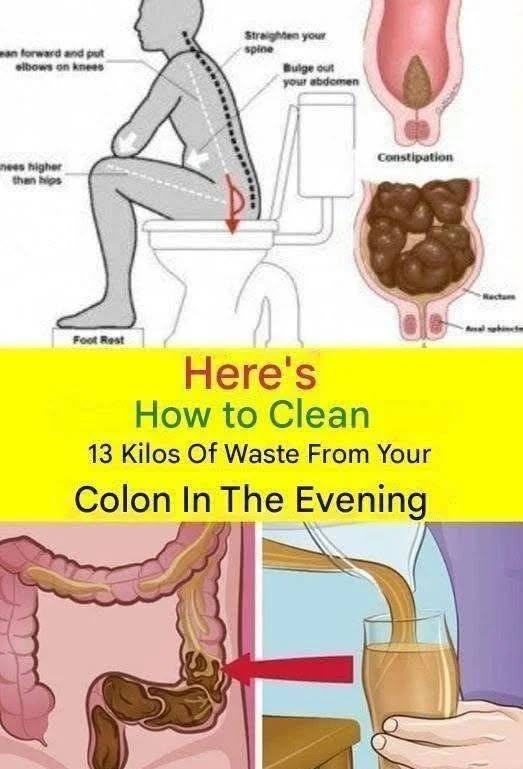
The good news is that many cases of constipation improve with simple changes to your diet, hydration, physical activity, and toilet habits. However, online claims about removing kilograms of accumulated waste from the colon with a special drink or evening cleanse are misleading. Your digestive system naturally moves waste through the bowel, and most people do not need a colon cleanse.
Here is what can genuinely help support regular bowel movements.
1. Increase Your Fiber Intake Gradually
Fiber helps add bulk to stool and can make bowel movements easier. Adults generally need around 22–34 grams of fiber per day, depending on age and sex.
Good sources include:
Fruits: pears, apples with their skin, berries, oranges, and prunes.
Vegetables: broccoli, carrots, peas, and leafy greens.
Whole grains: oatmeal, whole-wheat bread, and whole-grain cereals.
Legumes: lentils, chickpeas, and beans.
Nuts and seeds: almonds, chia seeds, and other fiber-rich options.
Increase fiber gradually rather than making a sudden, dramatic change. Adding too much too quickly can cause gas and bloating. Drink adequate fluids to help fiber work effectively. <Cite refs={[“turn151171search1″,”turn151171search5”]}/>
2. Drink Enough Water
Not drinking enough fluids can contribute to hard stools, particularly when your body is dehydrated.
Drink water regularly throughout the day. Other fluids can contribute to hydration as well, and soups may be helpful. Your individual fluid needs depend on your activity, climate, and health conditions.
If a healthcare professional has instructed you to restrict fluids because of a heart or kidney condition, follow that advice instead of increasing your intake independently.
Remember that drinking excessive amounts of water is not a quick cure for constipation. The goal is adequate hydration.
3. Try Prunes or Kiwifruit
Certain fruits may help improve bowel regularity.
Prunes contain fiber and sorbitol, a naturally occurring sugar alcohol that can help draw water into the bowel.
Kiwifruit is another option that may help some people with constipation. You can try including these fruits regularly as part of a balanced diet and see whether your symptoms improve.
Start with a moderate portion, especially if you are prone to gas or bloating. No single fruit works for everyone, and these foods should not be presented as a guaranteed overnight treatment.
4. Improve Your Toilet Position
The position you use on the toilet can make passing stool easier for some people.
Try the following:
Sit comfortably with your feet supported on a small, stable footstool.
Raise your knees slightly above your hips.
Lean forward gently, keeping your back in a comfortable position.
Relax your abdominal and pelvic muscles.
Breathe normally and avoid prolonged, forceful straining.
This position can help align the rectum more favorably during a bowel movement. It does not remove a supposed buildup of old waste or replace medical treatment when constipation has another cause. <Cite refs={[“turn151171search0″,”turn151171search8”]}/>
5. Move Your Body Every Day
Regular physical activity supports general health and may help bowel movements become more regular.
You do not necessarily need an intense workout. Consider:
Taking a 15–30-minute walk, if you are able.
Standing up and moving around during long periods of sitting.
Doing gentle exercises suited to your fitness level.
Maintaining a consistent daily routine.
If you have a medical condition that limits activity, ask a healthcare professional which movements are appropriate for you.
6. Establish a Regular Bathroom Routine
Ignoring the urge to have a bowel movement can make constipation worse.
Try setting aside time to use the bathroom at a consistent time each day. For many people, after breakfast is a practical option because eating stimulates movement in the colon.
Give yourself enough time, but avoid sitting on the toilet for long periods while repeatedly straining. If nothing happens, try again when the urge returns.
A regular routine can be particularly helpful when changes in work schedules, travel, or daily habits have disrupted your usual bowel pattern.
7. Be Careful With Colon Cleanses and Home Remedies
Social media posts sometimes promise that a drink taken in the evening will flush out large quantities of waste from the colon.
There is no good evidence that a routine colon cleanse is necessary to remove kilograms of hidden waste from a healthy person’s digestive system. Cleansing products, enemas, and excessive laxative use may cause dehydration, electrolyte disturbances, or other complications.
For ordinary constipation, begin with appropriate dietary and lifestyle changes. If these are not enough, a pharmacist or healthcare professional can advise whether a short course of a suitable laxative is appropriate.
Do not stop prescribed medication or repeatedly use laxatives without medical advice. <Cite refs={[“turn151171search0″,”turn151171search6”]}/>
When Should You Seek Medical Advice?
Speak with a healthcare professional if constipation persists, keeps returning, or represents a sudden change in your usual bowel habits. Some medicines and medical conditions can contribute to the problem and may need to be reviewed.
Seek urgent medical care if constipation occurs with severe or constant abdominal pain, vomiting, an inability to pass gas, or significant rectal bleeding. Blood in the stool, unexplained weight loss, and persistent symptoms also warrant medical evaluation. <Cite refs={[“turn151171search2″,”turn151171search4”]}/>
A Simple Daily Plan for Better Bowel Regularity
You can start with a few manageable habits:
Morning: Eat a fiber-rich breakfast, such as oatmeal with fruit, and drink water.
After breakfast: Allow time for a relaxed bathroom visit if you feel the urge.
During the day: Eat vegetables, whole grains, and legumes as tolerated, and drink fluids regularly.
Afternoon or evening: Take a walk or do gentle physical activity.
Throughout the day: Respond to the urge to use the bathroom rather than repeatedly postponing it.
Consistency matters more than trying a dramatic cleanse. Depending on the cause and severity, improvement may take several days or longer.
Final Thoughts
Natural constipation relief is usually about supporting normal bowel function, not forcing the colon to empty with a special drink.
Gradually increasing fiber, drinking adequate fluids, eating fruits such as prunes or kiwifruit, moving regularly, and adjusting toilet posture may help many people. If symptoms persist or warning signs develop, seek professional advice rather than relying on internet remedies.
What has helped you manage occasional constipation: dietary changes, walking, or adjusting your bathroom routine? Share your experience, remembering that persistent or severe symptoms deserve medical attention.