What Is the Green Stuff Inside a Lobster? The Answer May Surprise You
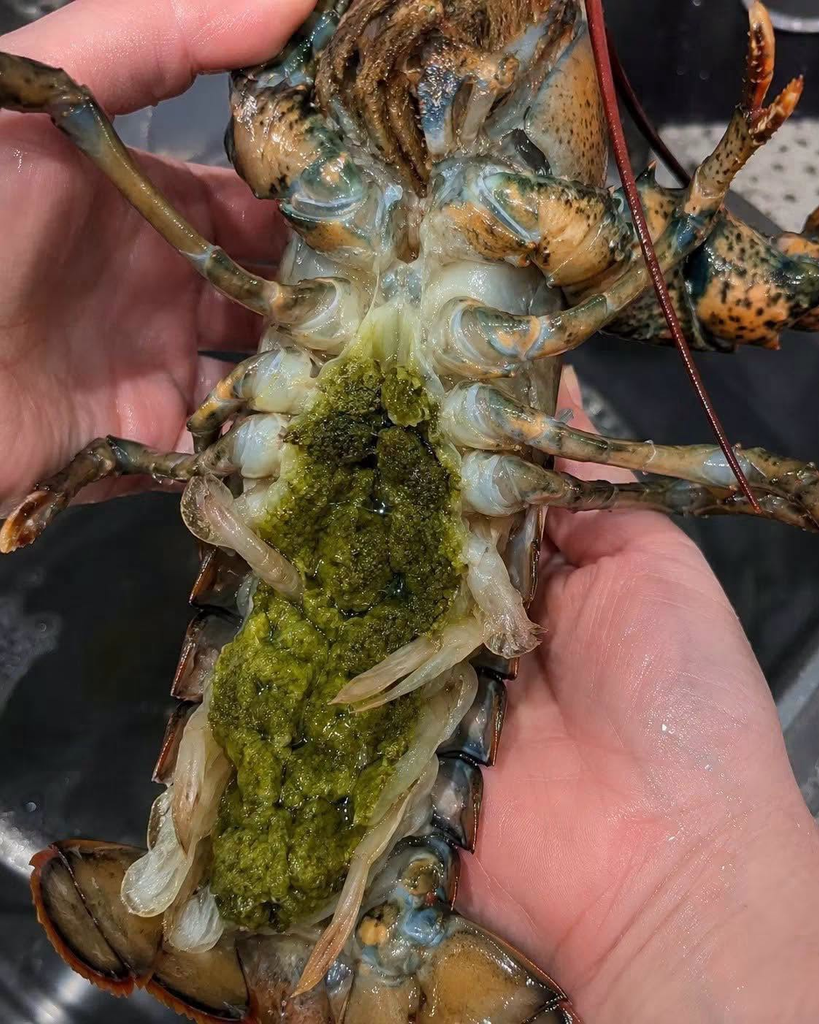
You crack open a lobster expecting delicious seafood, only to discover a thick, green substance inside. It may look unusual, but this is often a normal part of lobster anatomy. So, what exactly is it, and is it safe to eat?
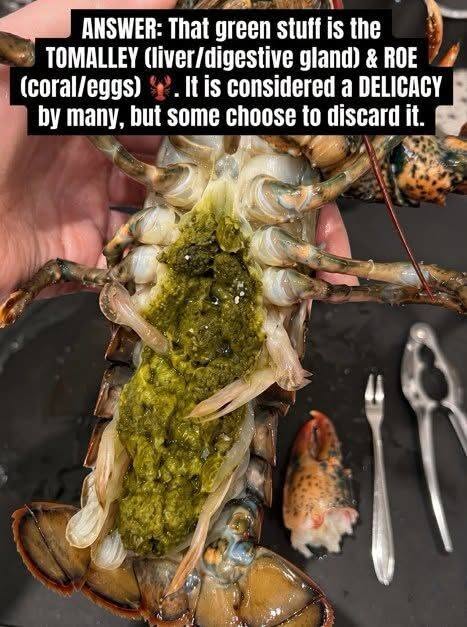
The green substance is most likely tomalley, a digestive organ that functions somewhat like the liver and pancreas in a lobster. Although some people consider it a delicacy, there is an important food-safety reason to think twice before eating it.
What Is the Green Substance Inside a Lobster?
Tomalley is a soft, green or olive-colored material found inside the lobster’s body cavity. Its color and texture can vary, but it often looks like a thick paste.
Unlike the white meat found in the tail and claws, tomalley is part of the lobster’s digestive system. It helps with digestion, nutrient processing, and the storage of certain nutrients.
The green color is normal and does not, by itself, mean that the lobster is spoiled. <Cite refs={[“turn230291search1″,”turn230291search9”]}/>
Is Lobster Tomalley Safe to Eat?
The safest recommendation is to avoid eating the tomalley.
The US Food and Drug Administration (FDA) advises consumers not to eat lobster tomalley because it can accumulate contaminants, including paralytic shellfish poisoning toxins associated with harmful algal blooms.
These toxins can be dangerous because ordinary cooking does not reliably destroy them. Their presence cannot be determined by looking at the tomalley, smelling it, or tasting it. <Cite refs={[“turn230291search0″,”turn230291search12″,”turn230291search13”]}/>
The risk is not the same in every lobster, and the green color alone does not indicate contamination. Nevertheless, avoiding the tomalley is a sensible precaution.
Can You Still Eat the Lobster Meat?
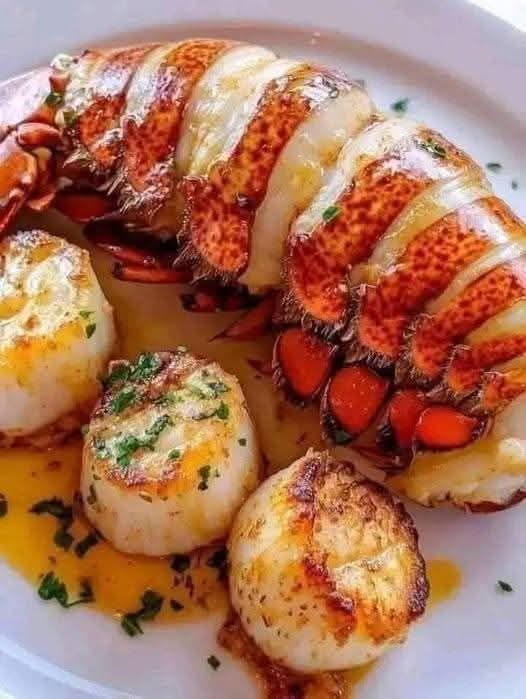
In general, the white meat in the tail and claws can be eaten when the lobster has been properly handled, safely stored, and thoroughly cooked.
The FDA’s guidance distinguishes between the tomalley and the meat: toxins that may accumulate in the digestive organ do not necessarily occur at dangerous levels in the edible meat. <Cite refs={[“turn230291search12″,”turn230291search9”]}/>
Before eating, make sure the meat is firm and opaque after cooking. Do not eat lobster that smells sour, rancid, or strongly ammonia-like, or that has been stored improperly. When in doubt about its safety, discard it. <Cite refs={[“turn230291search5”]}/>
What Should You Do When You Find Green Paste Inside a Lobster?
If you discover tomalley while preparing lobster, follow these practical steps:
Remove the green material and discard it.
Avoid spreading it onto the cooked meat or other foods.
Wash your hands, utensils, and preparation surfaces after handling raw seafood.
Check that the remaining lobster meat has been safely stored and thoroughly cooked.
If the lobster’s freshness or storage history is uncertain, do not eat it.
There is no need to panic simply because you found green material inside a lobster. It is commonly part of the animal’s anatomy, rather than proof that something is wrong.
What If You Have Already Eaten It?
Eating tomalley does not automatically mean you will become ill. However, harmful marine toxins can cause serious symptoms, including tingling or numbness around the mouth and face, nausea, vomiting, muscle weakness, and difficulty breathing.
If you develop symptoms after eating lobster tomalley, seek urgent medical advice. If you experience difficulty breathing, severe weakness, or rapidly progressing numbness, call emergency services immediately. Do not wait for symptoms to worsen. <Cite refs={[“turn230291search7″,”turn230291search13”]}/>
Final Thoughts
Finding green material inside a lobster is usually not as alarming as it looks. It is most likely tomalley, a normal digestive organ that some people traditionally eat.
However, because it can accumulate harmful marine toxins that cooking may not destroy, the safest choice is to leave it out of your meal. Properly handled and thoroughly cooked lobster meat can still be enjoyed without eating the tomalley.
Have you ever found this green substance inside a lobster? Did you know what it was, or did it surprise you the first time you saw it?