6 Foods That May Affect Thyroid Health: What You Should Really Know
The thyroid is a small, butterfly-shaped gland located at the front of the neck, but it plays an important role in regulating metabolism, body temperature, heart rate, and energy levels.
You may have seen social media posts warning people to stop eating certain foods because they supposedly damage the thyroid. Although some foods and supplements can affect thyroid function or interfere with thyroid medication, most people do not need to eliminate entire food groups to protect their thyroid health.
The effects depend on the food, the amount consumed, a person’s iodine intake, and whether they have an existing thyroid condition.
1. Soy and Soy-Based Products
Soybeans, tofu, soy milk, and other soy products are nutritious sources of protein.
However, soy can interfere with the absorption of levothyroxine, a medication commonly prescribed for an underactive thyroid. This does not mean everyone with thyroid disease must avoid soy.
If you take thyroid medication, follow your prescribed instructions and ask your pharmacist or doctor how to time soy-containing meals around your medication.
2. Cruciferous Vegetables
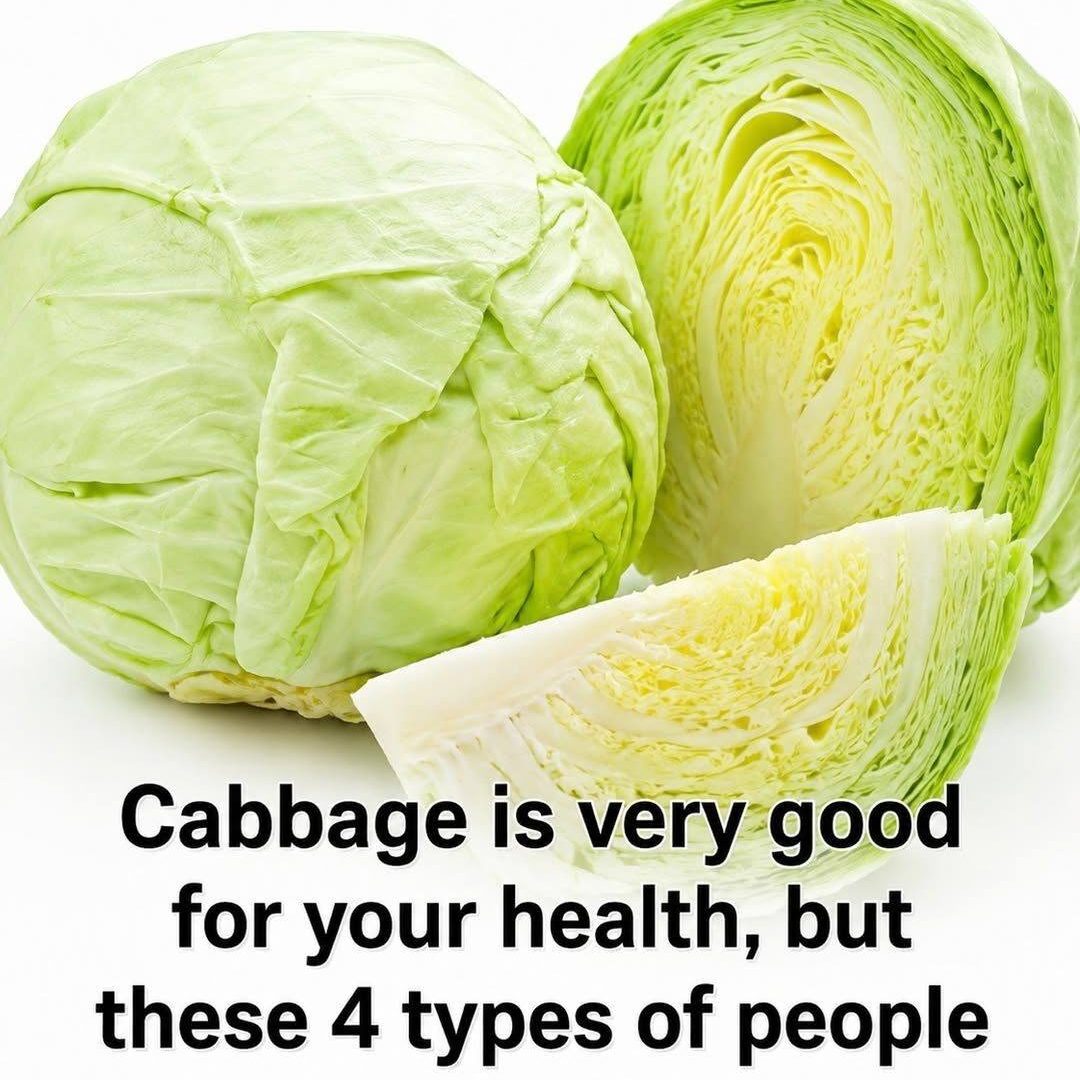
Broccoli, cabbage, cauliflower, kale, and Brussels sprouts contain compounds that can interfere with iodine utilization under certain circumstances.
However, eating ordinary portions of these vegetables is generally safe for most people, particularly when their iodine intake is adequate. Cooking also reduces some of these compounds.
These vegetables provide fiber, vitamins, and other beneficial nutrients, so eliminating them unnecessarily may do more harm than good.
3. Seaweed and High-Iodine Supplements
Seaweed products such as kelp can contain very high and variable amounts of iodine.
The thyroid needs iodine to produce hormones, but too much iodine can also disrupt thyroid function, particularly in susceptible individuals.
Avoid taking high-dose iodine supplements or products marketed as thyroid boosters without medical advice. People preparing for radioactive iodine treatment for thyroid cancer may need a specific low-iodine diet, but this should be followed only as directed by their treatment team.
4. Highly Processed Foods
Packaged snacks, fast food, sugary drinks, and many highly processed meals can contribute to an unbalanced diet when consumed frequently.
These foods are not all directly toxic to the thyroid. Rather, eating a wide variety of nutritious foods supports overall health and helps provide the nutrients needed for normal bodily functions.
Choose a balanced diet that includes vegetables, fruits, whole grains, protein sources, and appropriate amounts of healthy fats.
5. Foods and Drinks That Interfere With Thyroid Medication
For people taking levothyroxine, medication timing can be just as important as food selection.
Coffee, soy products, and foods or supplements containing calcium or iron can affect how the medicine is absorbed when taken too close together.
Follow the instructions provided with your medication. Levothyroxine is commonly taken on an empty stomach, 30–60 minutes before breakfast, while calcium and iron supplements generally need to be separated from it by several hours.
Do not change your medication dose or stop taking it because of dietary advice on social media.
6. Foods Containing Gluten: Only for Certain People
Gluten is a protein found in wheat, barley, and rye.
Some people with autoimmune thyroid disease also have celiac disease, a condition in which gluten triggers an immune reaction that damages the small intestine. For these individuals, a medically supervised gluten-free diet is necessary.
However, there is not strong evidence that everyone with hypothyroidism or Hashimoto’s thyroiditis benefits from avoiding gluten. If you suspect celiac disease, seek medical advice before starting a gluten-free diet, because removing gluten before testing can affect the accuracy of diagnostic tests.
What Should You Eat for Better Thyroid Health?
Rather than focusing on a list of forbidden foods, aim for a balanced eating pattern that provides adequate iodine and other essential nutrients.
Useful dietary choices include:
Fish and seafood in appropriate amounts.
Eggs and dairy products, if you eat them.
Beans, lentils, nuts, and other protein sources.
A variety of vegetables and fruits.
Whole grains and other fiber-rich foods.
Avoid excessive iodine supplementation, and do not assume that a product labeled “natural” or “thyroid support” is safe or effective.
When Should You Seek Medical Advice?
Symptoms such as persistent fatigue, unexplained weight changes, sensitivity to cold or heat, changes in heart rate, or swelling in the neck may warrant medical evaluation.
A healthcare professional can assess your symptoms and order appropriate tests, such as thyroid-stimulating hormone (TSH) and thyroid hormone measurements.
Dietary changes alone cannot reliably diagnose or treat a thyroid disorder.
Final Thoughts
Protecting thyroid health is not about fearing six specific foods. It is about understanding your individual needs, eating a balanced diet, getting appropriate medical care, and using thyroid medication correctly when prescribed.
For most people, soy, broccoli, cabbage, and other nutritious foods can remain part of a healthy diet. Special restrictions are appropriate only in particular circumstances, such as preparation for radioactive iodine treatment or management of a diagnosed food-related condition.
Do you have a thyroid condition, or have you ever changed your diet because of advice you saw online? Share your experience in the comments.