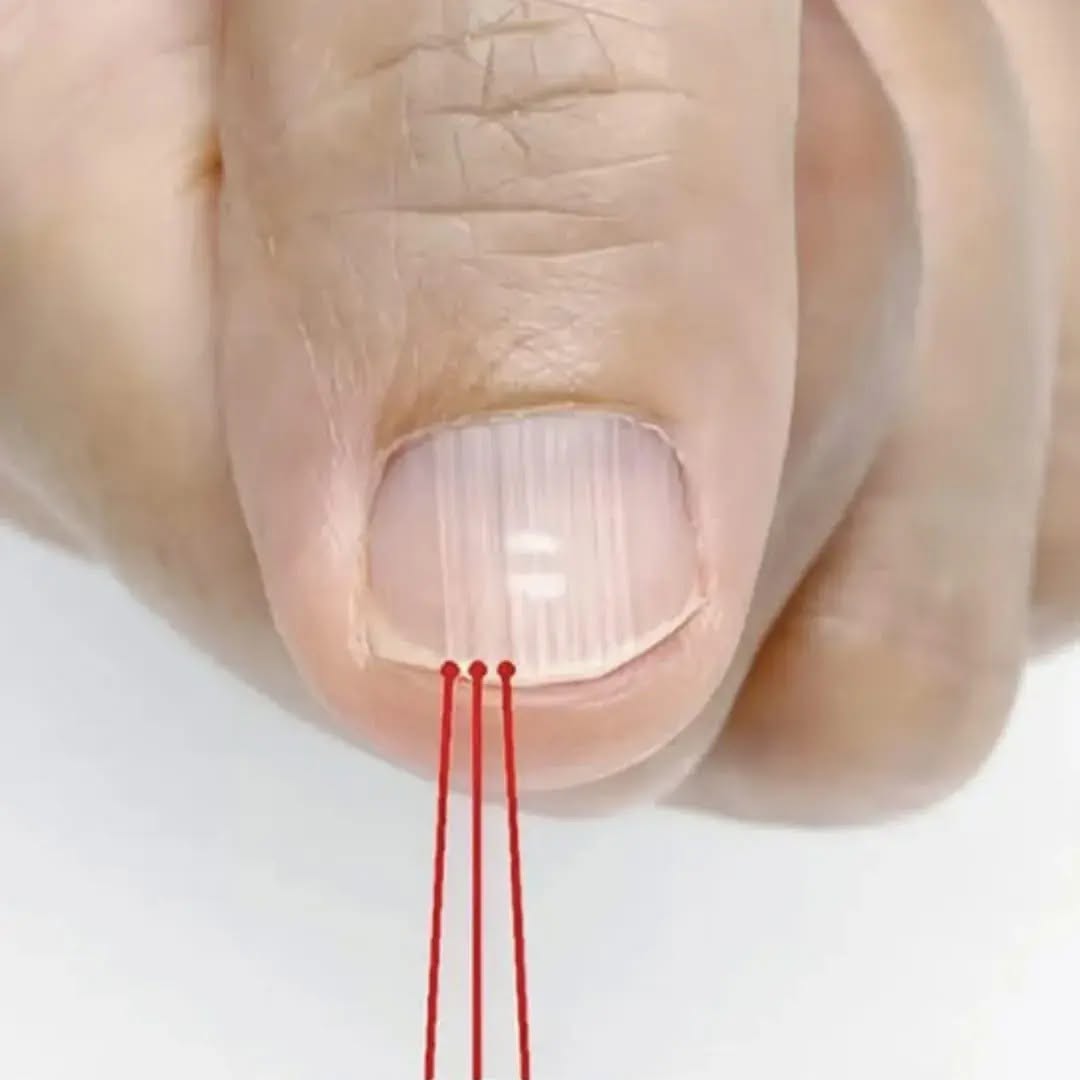
Why Do Some Men Grow a Long Pinky Nail? The History, Myths, and Practical Reasons
Have you ever noticed a man with neatly trimmed fingernails, except for one—a long, distinct nail on his pinky finger? While it might seem like a quirky personal preference or an accidental omission, the habit of growing a long pinky nail has deep roots in history, traditional culture, and everyday utility.
From ancient status symbols to modern practicalities, here is the full story behind why men across different cultures grow out this specific nail.
1. A Historical Symbol of Wealth and Class
Historically, long fingernails were a clear indicator of social status.
In ancient Asia—particularly during the Qing Dynasty in China—nobles and upper-class scholars grew out their fingernails to signal that they did not engage in manual labor or physical work. Physical labor would naturally break or wear down long nails. Therefore, keeping a long pinky nail was a subtle way of telling society: “I am wealthy enough to live a life of leisure.”
A similar tradition existed among European aristocrats and scribes, where a long pinky nail signaled a life dedicated to writing and administrative tasks rather than farming or trade.
2. A Multi-Purpose Everyday Tool
For many people who keep the habit today, the long pinky nail serves as a convenient, built-in tool for quick daily tasks:
Opening Packages: It acts as a natural blade for slicing through envelope seals, tape, or plastic packaging.
Precision Tasks: It helps in picking up tiny objects, turning small screws, or scraping off stickers and labels.
Grooming: In various cultures, it is used as a personal grooming aid, such as an ear pick or precision scratching tool.
3. Palmistry and Cultural Superstitions
In traditional Chinese chiromancy (palmistry), the length of the pinky finger is believed to correlate with good fortune, communication skills, and financial luck.
According to traditional beliefs, if the tip of your pinky finger does not reach the top joint of your ring finger, you may face financial hardship or poor luck in business. To counter this “unfavorable” trait, many men allow their pinky nail to grow past that joint to symbolically bring good luck and wealth into their lives.
4. Musical Instruments
Musicians who play traditional stringed instruments often grow out specific nails as a substitute for a plastic pick or plectrum. Classical guitarists, oud players, and musicians playing traditional Asian instruments like the guzheng or pipa sometimes maintain a longer nail on one or more fingers to achieve a cleaner, sharper sound when plucking strings.
5. Modern Subcultures and Misconceptions
In modern urban culture, the long pinky nail has acquired a few new associations—some practical, others illegal:
Tailoring and Craftsmanship: Jewelers, tailors, and textile workers often use a sharp fingernail to hold delicate threads, tuck fabric, or manipulate tiny gemstone settings.
Substance Use: In the late 20th century, the long pinky nail earned the nickname “coke nail,” as it was sometimes used as a crude measuring scoop for powdered substances. While this association exists in pop culture, assuming every long pinky nail is tied to drug use ignores centuries of rich cultural history.
Summary
Whether driven by ancient tradition, superstitious beliefs, musical performance, or sheer practical convenience, the long pinky nail is far more than just a grooming choice—it is a fascination that crosses centuries and continents.