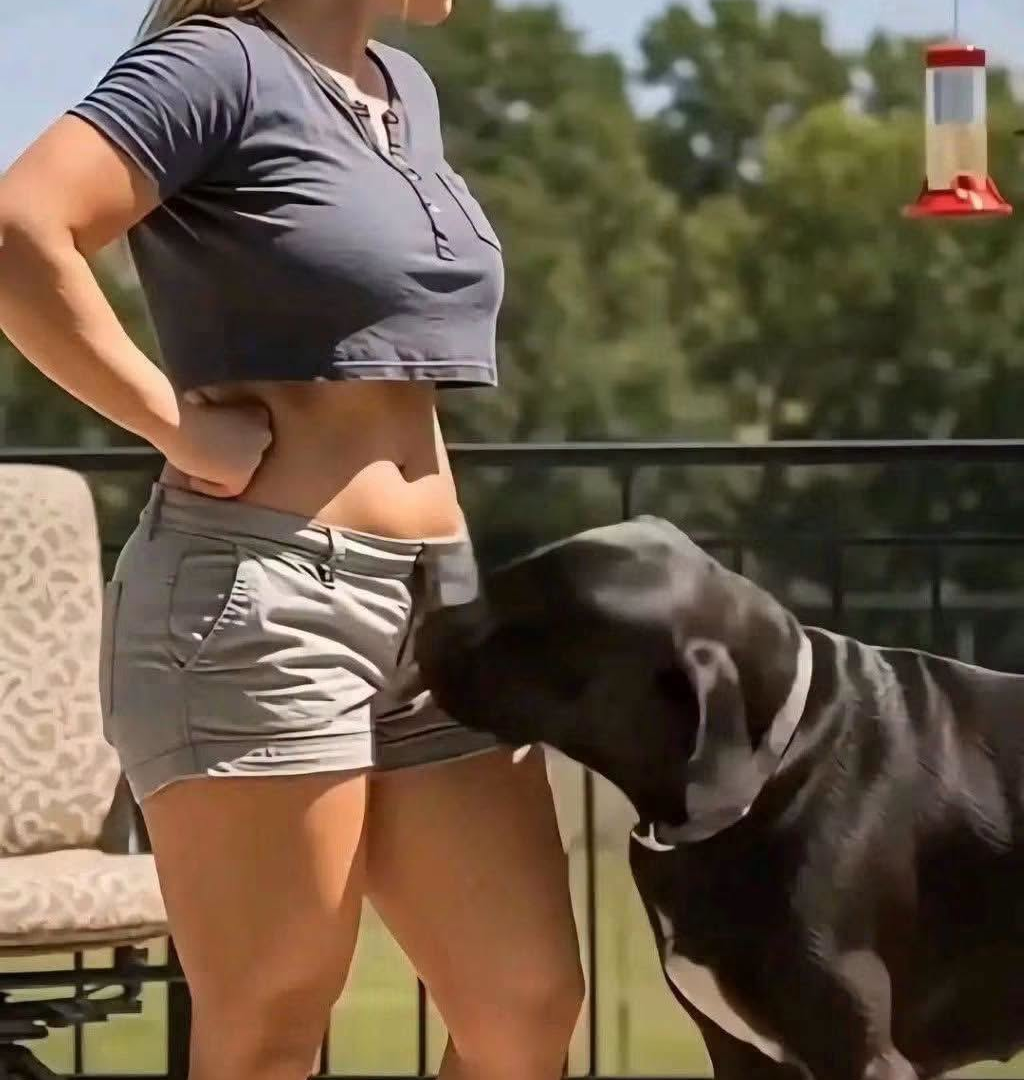
Why Do Dogs Sniff Your Private Area? Understanding This Common Behavior
If a dog has ever greeted you by sniffing your groin, you may have wondered why it chooses that particular area. Although the behavior can feel awkward, especially around visitors, it is usually a normal part of how dogs explore their surroundings and learn about people.
Dogs experience the world largely through their sense of smell. What seems like an unusual greeting to a person is often simply a dog’s way of investigating an unfamiliar scent.
1. Dogs Use Their Noses to Gather Information
A dog’s sense of smell is far more sensitive than a human’s. Dogs use scent to explore new places, recognize familiar people and animals, and investigate changes in their environment.
When dogs meet one another, sniffing is an important part of their social interaction. When they approach humans, they may investigate areas that provide concentrated scent information, including the groin.
According to veterinary and canine behavior experts, this is generally curiosity rather than aggression or a deliberate attempt to invade someone’s personal space.
2. Why Are Dogs Particularly Interested in This Area?
The groin and underarm areas contain apocrine sweat glands, which contribute to a person’s natural body scent. Dogs may find these scents especially interesting because their noses can detect details that humans cannot readily notice.
A dog’s interest can also be influenced by familiar or unfamiliar smells, clothing, recent activities, and the scents carried by different people.
In other words, the behavior is usually about investigating scent rather than communicating a specific message about the person.
3. Can Dogs Detect Hormonal Changes?
Dogs can detect certain subtle changes in human odors, and researchers have trained dogs to identify some specific scents associated with medical conditions.
However, there is an important distinction between detecting a scent and reliably identifying its cause.
A dog sniffing someone’s groin does not prove that the person is pregnant, menstruating, ill, or experiencing a hormonal change. Ordinary sniffing behavior is not a medical test, and a dog’s interest alone cannot establish any of these conditions.
4. Is This Behavior Normal?
In most cases, yes. Brief sniffing is a common canine behavior and is not automatically a sign of aggression, dominance, or a behavioral problem.
Nevertheless, context matters. If a dog becomes unusually persistent, difficult to redirect, or displays other concerning changes in behavior, a veterinarian or qualified dog trainer can help assess the situation.
People are also entitled to personal space. A behavior that is natural for a dog does not mean that everyone must accept it.
5. How Can You Stop a Dog From Sniffing People?
If your dog frequently approaches visitors this way, calm training and redirection can help.
Teach an alternative greeting: Reward your dog for sitting calmly when someone arrives.
Redirect attention: Use a familiar cue or offer a suitable toy before the dog approaches too closely.
Reward good behavior: Give praise or a treat when your dog greets people politely.
Manage introductions: Keep your dog on a leash when needed, especially around visitors who are uncomfortable with close contact.
Avoid harsh punishment: Calm, consistent training is generally more useful than frightening or physically correcting the dog.
Giving dogs appropriate opportunities to sniff during walks and enrichment activities can also help satisfy their natural curiosity.
The Bottom Line
When a dog sniffs your private area, it is usually using its powerful sense of smell to explore and gather information. The behavior is common and generally harmless, although it can be redirected when it becomes intrusive.
Most importantly, a dog’s sniffing should not be interpreted as proof of pregnancy, illness, or another specific medical condition. Understanding normal canine behavior helps owners respond calmly while maintaining appropriate boundaries.
Sources for further reading: The American Kennel Club’s guidance on why dogs sniff human groins and PetMD’s veterinary-reviewed explanation of this behavior.