Want to Keep Snakes Out of Your Home? What Really Works
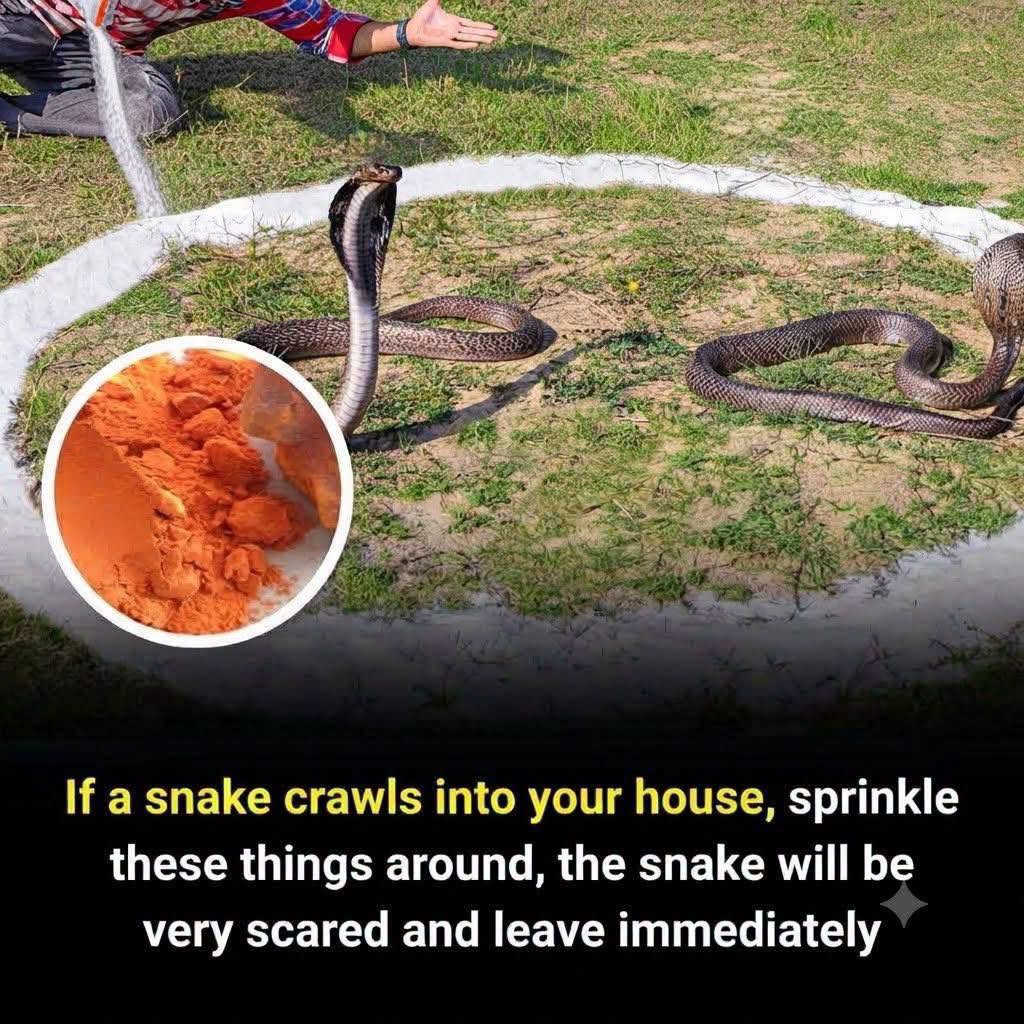
Finding a snake near your home can be frightening, especially if you are unsure whether it is venomous. Many online posts recommend sprinkling powders, using strong-smelling ingredients, or placing natural substances around the house to make snakes leave.
But do these remedies actually work?
The truth is that no household powder or natural mixture can be relied upon to repel every snake. Research and wildlife experts have found that many popular home remedies are ineffective. The most dependable strategy is to make your home and garden less attractive to snakes and prevent them from entering in the first place.
1. Do Natural Snake Repellents Really Work?
Several ingredients are commonly promoted online as snake repellents, including sulfur, garlic, cinnamon, cayenne pepper, and various essential oils.
However, evidence supporting these remedies in real-world home settings is limited or inconsistent. Some substances may affect the behavior of particular snake species under specific conditions, but that does not mean sprinkling them around a house will reliably keep snakes away.
Avoid relying on homemade powders or strong-smelling chemicals for protection. Some products can also be dangerous to children, pets, or other wildlife.
2. Remove Places Where Snakes Can Hide
Snakes often seek shelter in cool, shaded areas where they can hide from predators and find food.
To make your property less attractive to them:
Keep grass short and trim overgrown vegetation.
Remove piles of leaves, rocks, rubbish, and unused building materials.
Store firewood away from the house and raise it off the ground.
Keep shrubs and dense plants from growing directly against exterior walls.
Clear clutter from garages, sheds, and other storage areas.
These steps reduce potential hiding places and make it easier to notice wildlife around your property.
3. Reduce Rodents Around Your Home
Many snakes feed on mice and rats. If rodents are finding food and shelter around your property, snakes may also be attracted to the area.
You can reduce this risk by storing food in sealed containers, securing rubbish bins, cleaning up spilled animal feed, and addressing rodent infestations safely.
Reducing the food supply can make your property less appealing to some snakes.
4. Seal Gaps and Entry Points
Snakes can enter through surprisingly small openings, depending on their size and the shape of the gap.
Inspect your property for:
Cracks in foundations and exterior walls.
Gaps beneath doors.
Damaged window screens and vents.
Openings around pipes, cables, and other utility connections.
Gaps in garages, sheds, and outbuildings.
Repair these openings with suitable building materials and install properly fitted door sweeps or screens where necessary. Check that ventilation openings remain functional while being protected against wildlife entry.
5. What Should You Do If a Snake Enters Your House?
If you see a snake indoors, your safety comes first.
Stay calm and keep your distance.
Keep children and pets away from the area.
Do not attempt to grab, corner, hit, or kill the snake.
If you can do so safely without approaching it, keep people away and close off access to the room.
Contact a qualified wildlife professional or local emergency or animal-control service that handles snakes.
Treat an unidentified snake as potentially venomous. Do not attempt to identify it at close range or use homemade repellents to force it out.
If someone is bitten, seek emergency medical attention immediately. Do not wait for symptoms to develop.
6. Are Commercial Snake Repellents Worth Buying?
Products marketed as snake repellents may promise to keep snakes away using sulfur, essential oils, or other ingredients. However, scientific evidence does not support relying on these products as a primary method of protection.
Before purchasing a product, check whether its claims are supported by credible testing and whether it is approved for the intended use in your country. Never assume that a product is safe simply because it is labeled natural.
Physical exclusion, habitat management, and professional removal when necessary are generally more dependable approaches.
Final Thoughts
Keeping snakes away is less about finding a magical powder and more about making your property difficult to enter and less attractive as a habitat.
Remove clutter, manage vegetation, control rodents, and seal openings around your home. If a snake enters the house, keep your distance and call a qualified professional rather than trying to handle it yourself.
Have you ever found a snake near your home? What steps did you take to deal with the situation safely? Share your experience in the comments.