Strange Shape in the Grass: Giant Snake or Optical Illusion?
Viral videos and photos displaying massive snake-like figures slithering across lawns and golf courses never fail to capture intense interest online. The story recounts the shock of a homeowner who initially mistook a long, moving shape in their yard for a stray piece of rope, only to feel a wave of fear upon realizing it might be a giant reptile.
The shared image depicts an extraordinarily long, undulating line traveling across a neatly manicured green lawn, closely resembling the silhouette of a massive serpent.
Here is the explanation behind these “giant snake” viral trends, the real animal behaviors involved, and safety guidelines for encountering wildlife in your yard:
1. The Problem: Snake Phobias and Viral Misinformation
Discovering an unfamiliar, elongated shape moving through your lawn naturally triggers an immediate reaction:
Ophidiophobia (Fear of Snakes): Visualizing a long body slithering through high or short grass instantly activates fear and flight responses in many individuals.
Camera Perspective and Optical Illusions: In many viral posts, low camera angles, forced perspective, or multiple snakes moving together create the visual illusion of a single, monstrously long serpent.
Perceived Danger vs. Actual Risk: While encountering an unidentified snake can be alarming, most snakes found in residential yards are non-venomous and pose no threat to humans.
2. Explanation: What Is Really Happening in These Images?
From a zoological and behavioral standpoint, several phenomena explain these startling visuals:
Mating Balls (Mating Chains): During breeding season, multiple male snakes of certain species (such as garter or rat snakes) will pursue a single female, intertwining as they move. From a distance, this moving group appears as one long, continuous chain.
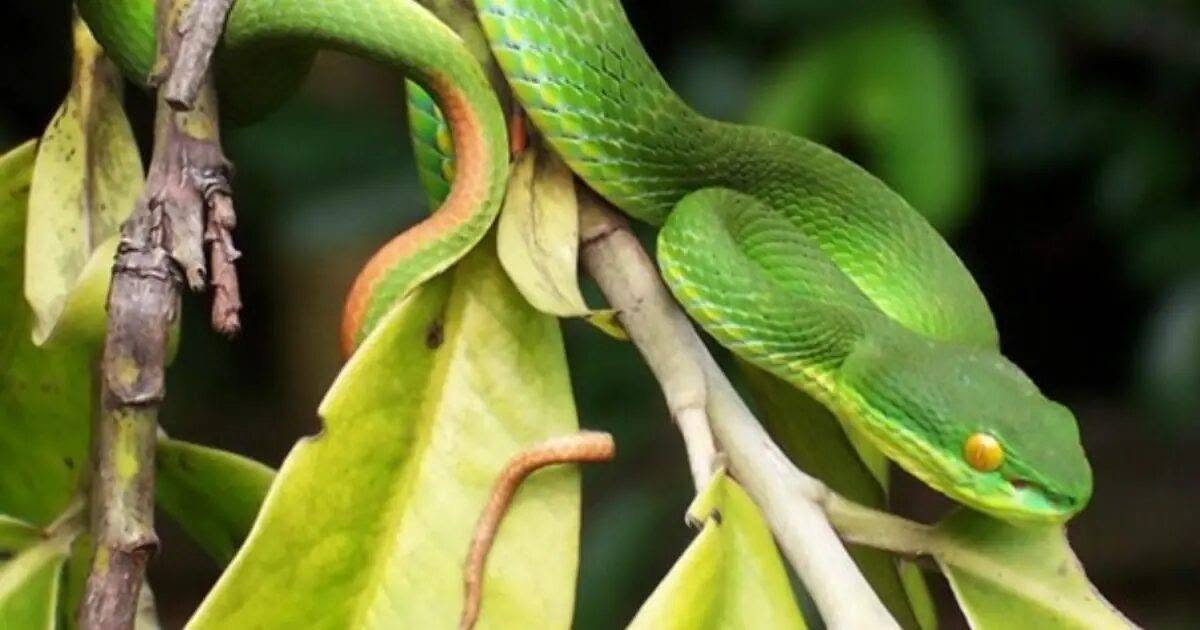
Large Snake Species: In tropical or rural regions, species like pythons, boas, or large rat snakes can indeed grow to impressive lengths and occasionally cross open fields or landscaped yards.
Serpentine Locomotion: The lateral undulation movement snakes use to push against grass creates exaggerated curves, making their overall trail and body appear much larger on open turf.
3. Advice & Steps: What to Do If You See a Snake in Your Yard
If you spot a snake or an unusual moving object on your property, keep these safety steps in mind:
1. Maintain a Safe Distance
Do not step closer to inspect, touch, or provoke the animal.
Keep at least 6 to 10 feet away to give the creature space to move along naturally.
2. Do Not Attempt to Harm or Capture It
Most snake bites occur when individuals try to handle, move, or kill the animal.
Snakes are beneficial to local ecosystems and provide natural pest control against rodents.
3. Contact Local Wildlife Professionals
If an unidentified snake is in an area frequented by children or pets, contact a local animal control officer or wildlife rescue service to safely relocate it.
Disclaimer & Safety Guidelines
This article is provided for informational and general wildlife educational purposes only. Never attempt to handle an unidentified snake on your property. In the event of a snake bite, keep the victim calm, immobilize the affected limb, keep it below heart level, and seek immediate medical emergency care.