Snake Bite: Don’t Panic! What to Do Immediately After a Snakebite
A snakebite can be frightening, especially when you cannot identify the snake or know whether it is venomous. In that moment, knowing what to do—and what not to do—can make a critical difference.
Some snakebites cause only minor injuries, while others can lead to serious poisoning that requires urgent medical treatment. The safest approach is to treat a suspected snakebite as a medical emergency rather than trying to determine the snake’s toxicity yourself.
If someone has been bitten by a snake, seek emergency medical care immediately. Do not wait for symptoms to appear.
Here is a practical guide to the immediate steps you should take, dangerous mistakes to avoid, and warning signs that require urgent attention.
1. Move Away From the Snake
Your first priority is to prevent another bite.
Move away from the snake without attempting to catch, touch, kill, or handle it. Even a snake that appears dead may still be capable of biting reflexively.
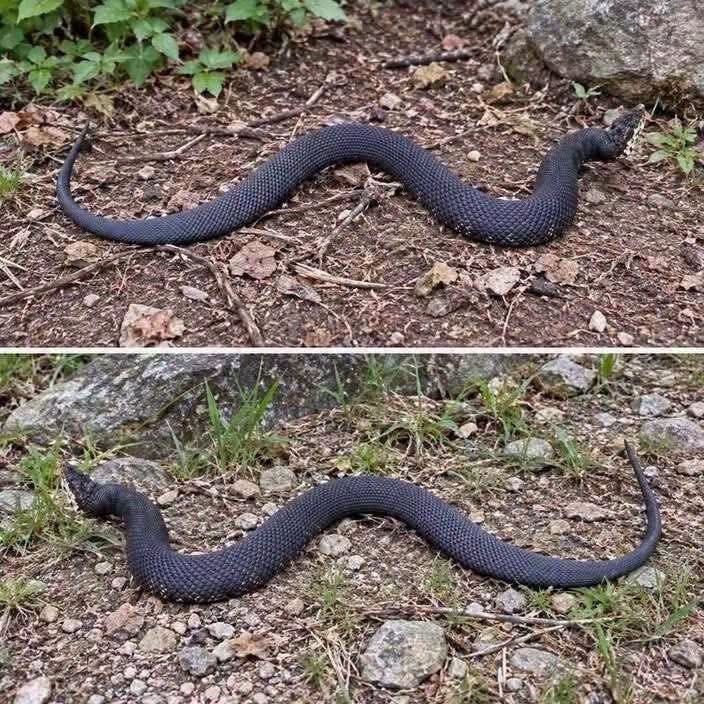
Do not waste time trying to identify the species. If you can safely take a photograph from a distance, it may help medical professionals, but your safety comes first.
2. Call Emergency Medical Services Immediately
A suspected venomous snakebite requires urgent medical assessment. Contact your local emergency service or arrange immediate transport to an appropriate medical facility.
Do not assume the bite is harmless because it is painless or because swelling has not started. Some dangerous symptoms may develop later.
If possible, have someone else arrange transport while you remain still.
3. Stay Calm and Keep Movement to a Minimum
Fear and panic can make it harder to follow instructions. Encourage the bitten person to remain as calm and still as possible.
Avoid walking or running unnecessarily. Keep the affected limb immobilized in a comfortable position, using a loose splint if one is available and can be applied without delaying medical care.
Do not massage the bitten area or repeatedly move the limb to check whether it hurts.
4. Remove Rings, Watches, and Tight Clothing
Swelling can develop around the bite, sometimes quickly.
Carefully remove rings, watches, bracelets, tight shoes, or other restrictive items near the affected area before swelling makes removal difficult.
Avoid unnecessary handling of the wound. If a dressing is needed, use a clean, loose covering.
5. Keep the Bitten Limb Still
Movement can increase the spread of venom through the body’s lymphatic system.
If the bite is on an arm or leg, keep the limb as still as possible and support it with a splint or sling if appropriate.
Do not apply a tight tourniquet. Pressure-immobilization bandages are recommended only for certain types of snakebite and are not suitable for every species or region. Follow instructions from local emergency professionals rather than improvising a tight bandage.
6. Never Cut the Wound or Try to Suck Out the Venom
One of the most persistent snakebite myths is that cutting the bite or sucking out the venom can save someone’s life.
These methods do not effectively remove venom and may cause additional injury, bleeding, or infection.
Avoid the following:
Cutting or puncturing the bite.
Sucking the wound by mouth or with a suction device.
Applying ice or extreme cold.
Using electric shocks.
Applying chemicals, herbal preparations, or traditional remedies to the wound.
Tying a rope, belt, or tight band around the affected limb.
These methods can delay effective treatment and make the injury worse.
7. Watch for Warning Signs
Snake venom can affect different parts of the body. Symptoms vary depending on the species, the amount of venom injected, and the person’s condition.
Do not wait for these symptoms before seeking medical care. A person can initially feel well and still need urgent evaluation.
Can You Tell Whether a Snake Is Venomous by Its Eyes?
The illustration accompanying this article suggests that venomous snakes have vertical pupils while nonvenomous snakes have round pupils.
This is not a reliable rule.
Pupil shape varies among snake species, and some venomous snakes have round pupils. Other physical characteristics can also overlap between venomous and nonvenomous species.
Similarly, head shape, body color, and scale patterns cannot reliably establish whether an unfamiliar snake is dangerous.
Never approach a snake to examine its eyes or head. If a bite occurs, seek medical attention regardless of how the snake looked.
What Treatment Is Available for Snakebite?
Medical treatment depends on the type of snake, the symptoms, and the severity of the envenoming.
Healthcare professionals may monitor breathing, blood pressure, swelling, blood clotting, and kidney function. They may also provide wound care, pain management, and other supportive treatment.
When indicated, antivenom is the specific treatment used to neutralize the effects of venom from the relevant snake species. It must be selected and administered by trained medical professionals because the appropriate antivenom varies by region and species.
Early access to suitable medical treatment can significantly reduce the risk of serious complications.
How Can You Reduce the Risk of Snakebites?
A few precautions can help reduce encounters with snakes:
Wear sturdy footwear when walking in areas where snakes may be present.
Use a flashlight at night instead of walking in darkness.
Avoid reaching into holes, dense vegetation, or piles of firewood without checking first.
Keep yards and pathways clear of accumulated rubbish and materials that can provide hiding places.
Seal gaps that could allow snakes to enter buildings where practical.
Never attempt to handle or capture a wild snake.
If you encounter a snake, give it space and allow it to move away.
Final Thoughts: Remember These Essential Snakebite Rules
A snakebite is not a situation for home remedies or guesswork. The safest response is to move away from the snake, call for emergency medical help, keep the person still, immobilize the affected limb, and avoid harmful interventions.
Do not cut the wound, suck out venom, apply ice, or use a tight tourniquet. Do not assume that a snake is harmless because its pupils are round or because the bite initially causes little pain.
The most important rule is simple: seek medical care immediately after a suspected snakebite, even if the person feels fine.
Have You Ever Encountered a Snake?
Have you ever seen a snake in your garden, home, or while walking outdoors? Share your experience in the comments, and help spread accurate information about snakebite first aid.
Medical disclaimer: This article is for educational purposes only and does not replace emergency medical care or advice from a qualified healthcare professional.