Police Warn the Public to Avoid Certain Areas: What You Should Know
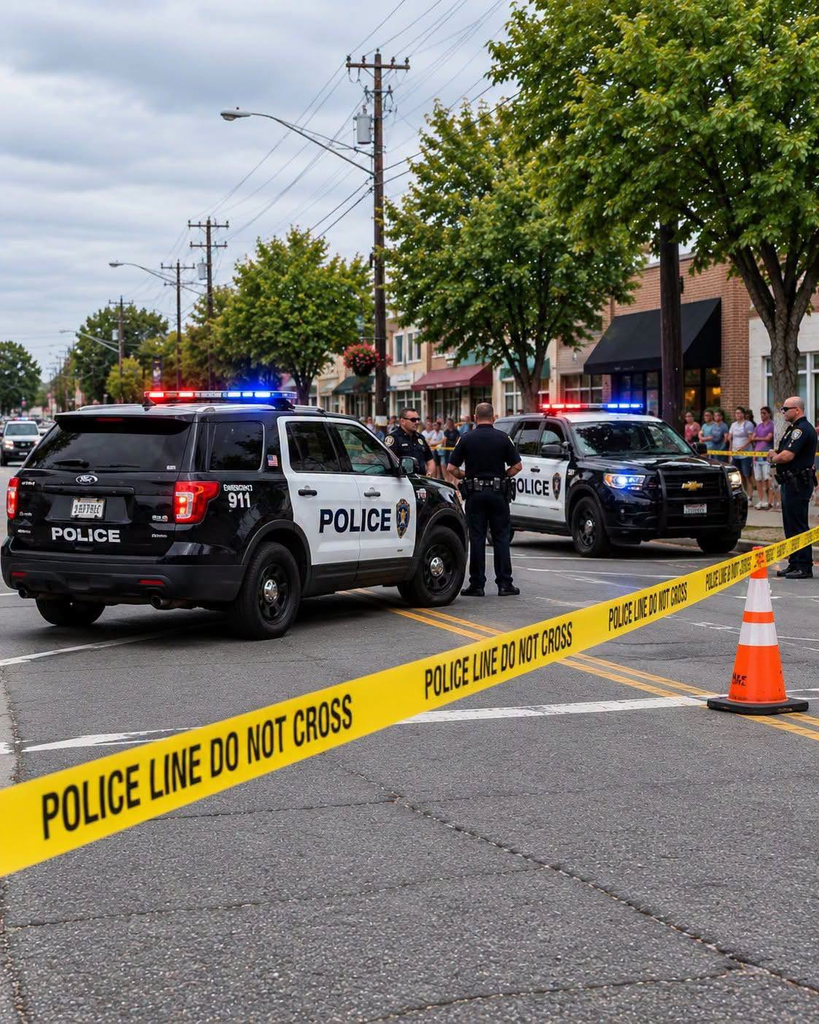
Images of police vehicles, flashing emergency lights, and yellow caution tape can raise immediate concerns. When a social media post claims that police are warning everyone to stay away from an area, it is important to understand the situation before sharing the message.
A police cordon usually means officers are controlling access to a particular location while they respond to an incident, investigate an event, or protect the public.
Why Might Police Close a Street?
There are several reasons law enforcement may restrict access to a street or public area.
1. An Active Police Investigation
Officers may secure a location after a serious incident to preserve evidence, interview witnesses, and allow investigators to examine the scene.
2. A Potential Safety Hazard
Police may establish a cordon when there is a suspected dangerous object, a hazardous substance, structural damage, or another situation requiring specialist assessment.
3. A Serious Traffic Incident
Road closures can also occur after major collisions or other emergencies while emergency services assist injured people and investigate what happened.
4. An Ongoing Public Safety Operation
Authorities may temporarily restrict access during an operation involving a potential threat, an arrest, or a situation in which officers need to keep bystanders at a safe distance.
The presence of police tape does not, by itself, reveal which of these situations has occurred.
What Should You Do If You See Police Tape?
If you encounter a police cordon in your neighborhood, follow these basic precautions:
Keep your distance: Do not approach the restricted area to take photographs or videos.
Follow officers’ instructions: Use designated alternative routes and respect temporary closures.
Check official updates: Consult the relevant police department, local authorities, or emergency-management agency for verified information.
Avoid spreading rumors: Do not assume that a serious crime or immediate threat has occurred based solely on an image.
Share information responsibly: If authorities ask the public not to publish details of an ongoing operation, respect that request.
If you believe someone is in immediate danger, contact the appropriate local emergency service.
Is Everyone in the Neighborhood at Risk?
Not necessarily. A cordon may cover only a small area, and the reason for it may not pose a wider threat to the surrounding community.
However, only the authorities handling the incident can provide reliable guidance about the specific risks and the areas people should avoid. It is important not to assume that a location is safe—or dangerous—without verified information.
Can You Trust a Viral Police Warning?
Social media can spread legitimate public-safety information quickly, but images can also be old, taken in another city, or shared with misleading captions.
Before treating a warning as current, check whether the post identifies a location, date, and police department. Look for a matching announcement from an official source or a reliable local news organization.
The photograph accompanying a post may illustrate a police response without documenting the incident described in the caption.
Final Thoughts
Police tape and emergency vehicles should always be treated with respect, but their presence does not automatically mean that an entire neighborhood is under threat.
The safest response is to avoid the restricted area, follow official instructions, and rely on verified updates rather than speculation.
Have you ever encountered a road closure or police cordon in your neighborhood? What helped you find accurate information about the situation? Share your experience in the comments.