How to Remove Bleach Stains from Fabrics with 2 Simple Tricks
An accidental bleach splash during household cleaning or laundry is a frustrating nightmare, leaving behind unsightly orange, yellow, or white patches on colored clothing. Viral images often show incredible before-and-after transformations of restored garments.
JPG+ 1
Unlike standard grease or food stains, bleach does not deposit dirt—it chemically destroys the color molecules in fabric. Because the original pigment is stripped away, you cannot simply “wash” a bleach stain out. However, you can effectively restore color and save your ruined clothes.
Here is the chemical breakdown of bleach damage and the 2 most effective tricks to repair bleach-stained fabrics:
1. The Problem: Why Bleach Permanently Discolors Clothes
Bleach contains sodium hypochlorite, an extremely aggressive oxidizing agent:
Pigment Destruction: When bleach hits fabric fibers, it oxidizes and breaks the chemical bonds of the dye molecules (chromophores), permanently stripping away their color.
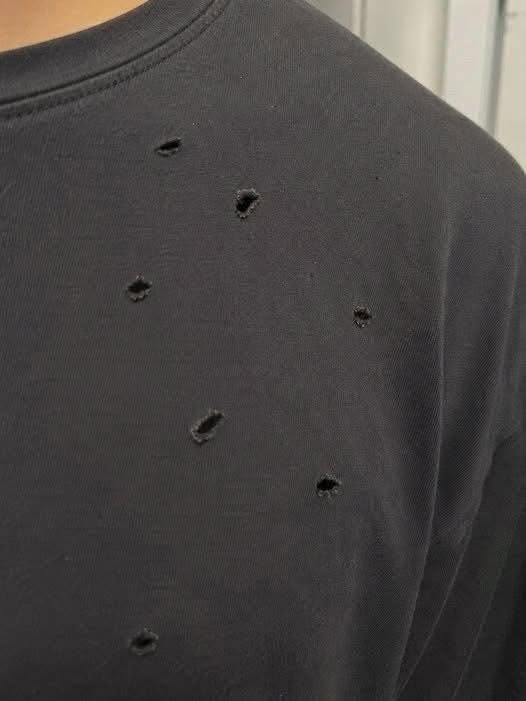
Fiber Weakening: If left unrinsed, bleach continues to degrade the natural or synthetic threads of the garment, eventually causing small holes or tears.
2. Explanation & Solutions: 2 Tricks to Fix Bleach Stains
Since the dye is missing from the stained area, the solution involves either re-spreading nearby dye or re-applying matching pigments:
Trick 1: The Rubbing Alcohol Method (For Small Stains on Dark Fabrics)
This technique works exceptionally well on dark-colored garments (such as black, dark green, or navy blue clothing):
JPG
Dip a cotton swab or cotton ball in rubbing alcohol (isopropyl alcohol, 70% or higher).
Gently rub the cotton swab around the colored fabric surrounding the bleach spot, moving inward toward the center of the stain.
The alcohol slightly dissolves the excess dye in the surrounding fabric, allowing you to drag and blend the pigment back over the bleached area to conceal it.
Let the fabric air dry completely, then wash the item as usual.
Trick 2: Fabric Markers or Full Dyeing (For Larger or Lighter Stains)
When the bleached spot is too large or bright for the alcohol method, re-introducing dye is necessary:
For Targeted Spots: Use a permanent fabric marker or textile pen that matches the garment’s exact color (e.g., olive green, black, or navy). Carefully dab the marker tip onto the bleach stain until the spot blends in.
For Extensive Damage: Submerge the entire item in a fabric dye bath using a dye formulated for your garment’s specific material (cotton, polyester, etc.). Always use a color fixative afterward to ensure an even, long-lasting wash.
3. Advice & Emergency Prevention
If you accidentally spill bleach on your clothes right now:
Rinse Immediately with Cold Water: Do not use hot water, as heat accelerates the chemical reaction. Flush the area with cold running water for several minutes to stop oxidation.
Neutralize the Bleach: Apply a mixture of equal parts water and white vinegar to the area after rinsing to neutralize remaining sodium hypochlorite residues.
Protect Your Clothes: Always wear old aprons or designated cleaning clothes when working with harsh household chemicals.
Medical & Safety Disclaimer
This article is for informational purposes only and does not replace chemical product manufacturer safety instructions. When handling isopropyl alcohol or bleach, always work in a well-ventilated area away from open flames, and wear protective gloves. If bleach comes into contact with your skin or eyes, rinse thoroughly with clean water and seek medical attention if irritation persists.