Here is the full article for WordPress in English:
Drain Flies in the Bathroom: The Hidden Warning Sign in Your Home
If you’ve noticed tiny, fuzzy insects with rounded, moth-like wings hovering near your sinks, showers, or drains, you are likely dealing with drain flies (from the Psychodidae family, also commonly known as sewer flies or moth flies).
While they don’t bite or spread serious diseases directly to humans, their sudden appearance is usually a warning sign of an underlying issue within your plumbing or home’s moisture levels.
What Is Their Presence Trying to Tell You?
1. Accumulation of Organic Biofilm
Drain flies don’t seek out clean water—they thrive on decaying organic matter. Over time, a gelatinous biofilm composed of soap scum, hair, grease, and organic debris builds up inside your pipes. This warm, moist environment creates the perfect breeding ground for female flies to lay their eggs.
2. Slow Drains or Clogs
If water drains slowly from your shower or sink, it causes standing water and organic buildup. This slow drainage is one of the primary triggers for a drain fly infestation and indicates a developing blockage.
3. Hidden Leaks or Trapped Moisture
If drain flies appear away from visible sinks—such as around baseboards, behind tiles, or under a shower pan—it may point to a hidden water leak. Trapped moisture seeping into walls or subflooring can attract these pests while causing structural damage over time.
How to Get Rid of Drain Flies Effectively
Killing the adult flies you see on the wall won’t solve the problem; you must eliminate their breeding habitat inside the drain.
Step 1: Physical Cleaning
Use a flexible pipe or drain brush to scrub the inside of the P-trap and detach built-up sludge from the pipe walls.
Remove hair and debris trapped underneath the drain cover manually.
Step 2: Natural Cleaning Solution
Avoid harsh chemical drain cleaners that can corrode your plumbing. Instead, use this simple home remedy:
Pour 1/2 cup of baking soda down the drain.
Follow with 1 cup of white vinegar. Let the fizzing reaction work for 15 to 30 minutes.
Flush the drain thoroughly with boiling water to wash away loosened debris.
Step 3: Use an Enzymatic Cleaner (If Needed)
For stubborn organic buildup, apply a bio-enzymatic drain cleaner overnight. The enzymes break down organic sludge without damaging your pipes or plumbing seals.
Prevention Tips to Keep Them Away
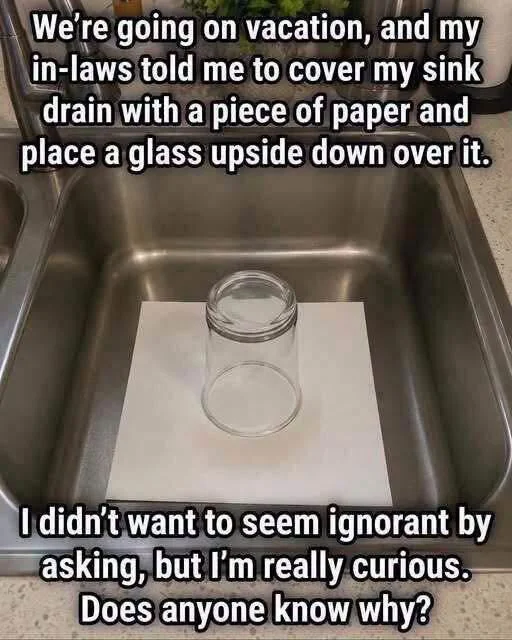
Flush seldom-used drains (like guest bathrooms or laundry tubs) regularly with water to keep the P-trap seal full and prevent organic buildup.
Rinse away soap scum and hair from shower floors after every use.
Inspect for leaks under vanity cabinets and check silicone sealant around shower bases.