Found This Unusual Tool in Grandma’s Dresser? Here’s What It Was Used For
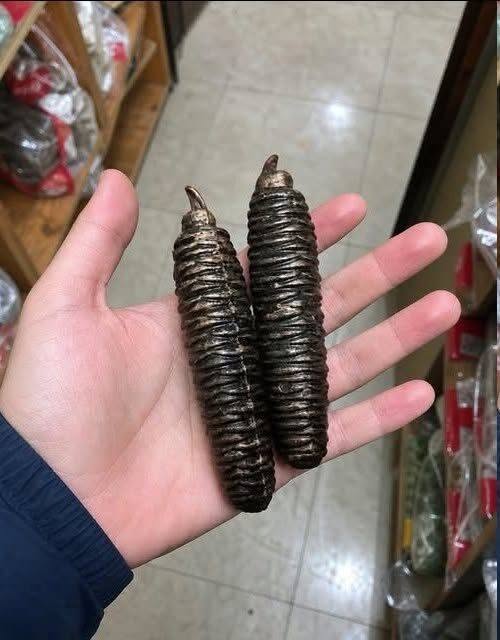
Discovering an unfamiliar object among a relative’s belongings can bring back memories and spark curiosity. At first glance, the ornate metal tool in this photograph looks like an unusual antique utensil. Its distinctive shape, however, offers an important clue about its original purpose.
The object appears to be a two-pronged cork remover, commonly known as an “Ah-So” cork puller, possibly combined with a bottle opener.
What Is an Ah-So Cork Puller?
An Ah-So is a specialized tool designed to remove corks from wine bottles without piercing them with a traditional corkscrew.
Unlike an ordinary corkscrew, which twists into the cork, this device uses two thin metal prongs that slide down between the cork and the inside of the bottle neck.
The prongs grip the cork from opposite sides, allowing the user to pull it out while twisting the tool gently.
Why Was This Tool Useful?
Older wine bottles sometimes have corks that become fragile, dry, or brittle with age. A conventional corkscrew can break such a cork apart, leaving pieces inside the bottle.
A two-pronged cork puller can help remove an intact cork without drilling into it. This makes the design particularly useful for opening older wine bottles when preserving the cork is important.
The tool in the photograph also appears to have a separate opener-shaped attachment, suggesting that it may combine more than one bottle-opening function.
How Does It Work?
A traditional two-pronged cork puller is used in a few simple steps:
Insert the longer prong between the cork and the bottle neck.
Gently work the second prong down on the opposite side.
Once both prongs are engaged, twist the handle while slowly pulling upward.
Continue carefully until the cork comes free.
The process requires patience, especially with old or delicate corks. Applying excessive force can damage the cork or cause it to crumble.
If the bottle is particularly old or valuable, it is best to have an experienced wine professional open it.
Is the Object Valuable or Truly Antique?
The decorative handle and metal construction give the pictured item a vintage appearance, but a photograph alone cannot establish its age, manufacturer, or metal composition.
To investigate its history, look for maker’s marks, engraved initials, hallmarks, or numbers on the handle and metal components. These details may help identify the manufacturer and determine whether the object is silver, silver-plated metal, or another material.
Its value would depend on its age, condition, maker, rarity, and whether the mechanism remains functional. It should not automatically be considered valuable simply because it looks old.
A Small Piece of Family History
Objects tucked away in dressers, cupboards, and old kitchen drawers can reveal how people handled everyday tasks before modern tools became widespread.
This unusual implement is a good example: what might initially look like a mysterious antique is most likely a specialized bottle-opening tool designed for a very practical purpose.
Have you ever discovered an unusual tool among your grandparents’ belongings? Share a description or photograph in the comments to help others identify their own family treasures.