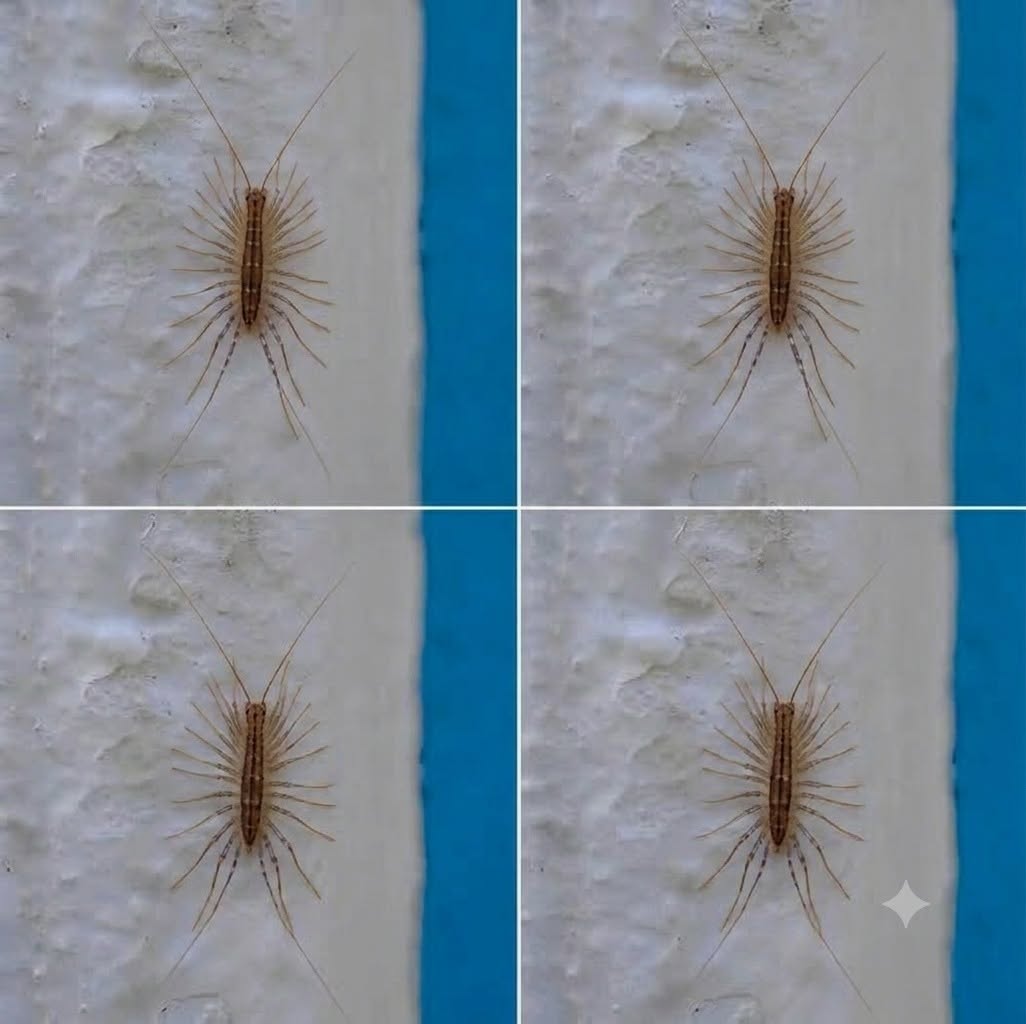
Found This Insect in Your Home? Here’s What You Should Know About Earwigs
Have you ever spotted a dark, elongated insect crawling along a wall, near a window, or inside your bathroom? Its most distinctive feature may be the pair of curved pincers at the end of its body.
The insect in the photograph appears to be an earwig, a common insect that often causes concern because of its unusual appearance. Social media posts sometimes warn that finding one means something is seriously wrong with your home, but the reality is much less frightening.
What Is an Earwig?
Earwigs are small insects recognized by their long bodies, antennae, and forceps-like pincers at the rear. These pincers are called cerci and are used for defense, handling prey, and other behaviors.
Despite their intimidating appearance, earwigs are generally not dangerous to people. They do not have venomous stingers, and they do not seek out human ears to lay eggs—a persistent myth that has given them their name.
An earwig may occasionally pinch if handled, but serious injury is uncommon.
Why Are Earwigs Entering Your Home?
Finding an earwig indoors does not automatically mean your home is dirty or infested. These insects are commonly associated with damp, sheltered environments and may wander indoors while searching for suitable conditions.
Several factors can attract them:
1. Moisture and Damp Areas
Earwigs often hide in moist locations, such as beneath flowerpots, among wet leaves, near drains, and around damp outdoor materials. Bathrooms, basements, and other humid areas may occasionally provide suitable shelter.
2. Gaps Around Doors and Windows
Small cracks, gaps beneath doors, and openings around pipes can allow earwigs to enter, particularly at night.
3. Gardens and Outdoor Vegetation
Earwigs commonly live in gardens, compost, mulch, and piles of leaves. If they are frequently appearing indoors, nearby vegetation or damp debris may be contributing to the problem.
4. Food and Shelter
Many earwigs feed on decaying plant material and other small organisms. Some species also eat tender plants or occasionally prey on small insects.
Does Seeing an Earwig Mean You Have an Infestation?
Not necessarily. One earwig may simply have wandered inside by accident.
However, repeatedly finding several earwigs in the same area could indicate a nearby hiding place, excessive moisture, or an entry point that needs attention.
The photograph alone cannot tell us how many insects are present in the home or whether there is an infestation.
How to Keep Earwigs Out of Your House
You do not usually need harsh chemicals to address an occasional earwig. Start with a few practical measures:
Reduce moisture: Repair leaking pipes and improve ventilation in damp rooms.
Seal entry points: Check gaps around doors, windows, and utility openings.
Clear outdoor debris: Move piles of leaves, damp cardboard, and garden waste away from the house.
Keep plants and mulch away from walls: This can reduce sheltered areas immediately beside the building.
Remove insects you find indoors: Use a vacuum or a simple container to collect them.
Monitor recurring activity: If many appear repeatedly, inspect the area or consult a pest-control professional.
If you use an insecticide, follow its label carefully and keep it away from children and pets.
Are Earwigs Helpful or Harmful?
Earwigs have a mixed role in the garden. Many feed on decaying organic material and small insects, while some may damage seedlings, flowers, or soft fruit.
Their presence outdoors is therefore not automatically a problem. Whether control is necessary depends on their numbers and the damage they cause.
The Bottom Line
Finding an earwig in your home is usually not a reason to panic. It may indicate that an insect has found a way indoors or that a nearby area provides moisture and shelter, but one sighting is not proof of poor hygiene, structural damage, or a serious infestation.
Focus on reducing dampness, sealing entry points, and removing outdoor hiding places. These steps can help prevent future encounters without unnecessary use of pesticides.
Have you ever found an earwig in your bathroom, kitchen, or garden? Share where you found it and whether you have seen more than one.