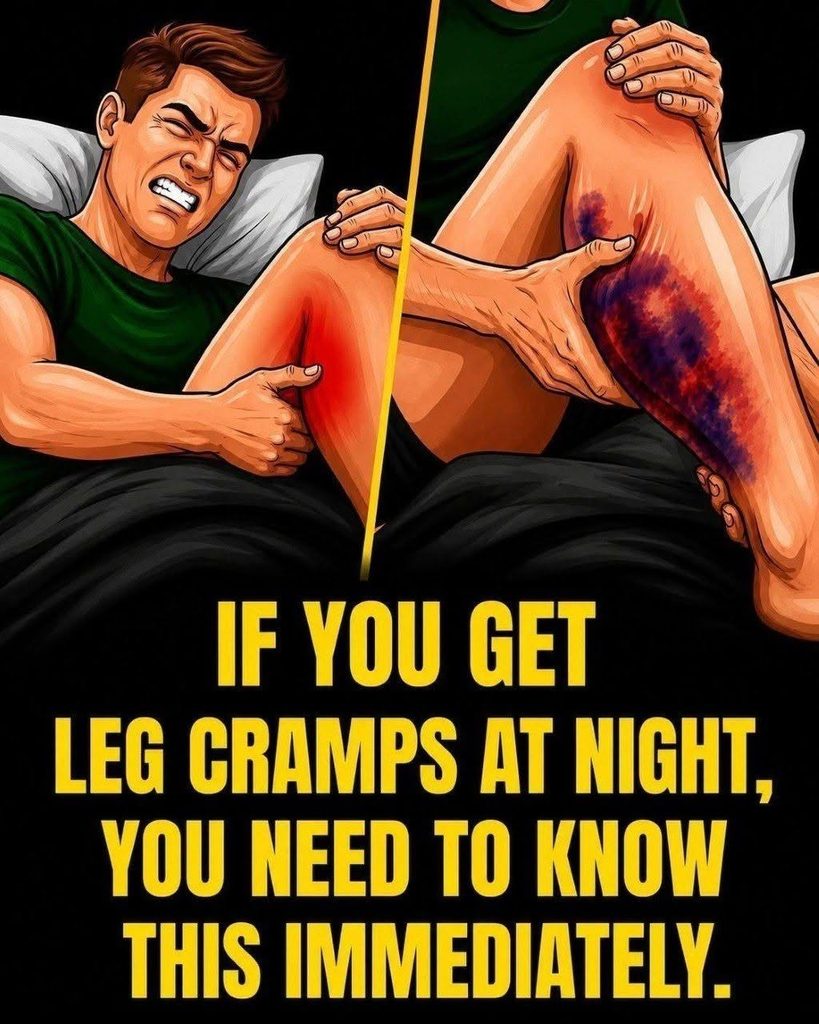
Don’t Ignore Leg Cramps at Night: What You Should Know
Waking up in the middle of the night with a sudden, painful leg cramp can be uncomfortable and alarming. The calf muscle may tighten unexpectedly, making it difficult to move your leg for several seconds or even a few minutes.
Nighttime leg cramps are common and are often harmless. However, if they happen frequently, disrupt your sleep, or occur alongside other symptoms, it is worth understanding what might be causing them.
What Causes Leg Cramps at Night?
There is not always one clear cause, but several factors may contribute:
Muscle fatigue: Long periods of standing, walking, or intense exercise can leave muscles tired.
Sleeping position: Keeping your toes pointed downward for long periods may contribute to calf cramps in some people.
Dehydration: Losing too much fluid, particularly after heavy sweating, may increase the risk.
Medications: Certain medicines can contribute to muscle cramps. Do not stop prescribed medication without medical advice.
Underlying health conditions: Nerve problems, circulation disorders, and some metabolic conditions may be associated with cramping.
A lack of magnesium, potassium, or calcium is sometimes blamed, but ordinary nighttime cramps do not automatically mean you have a mineral deficiency.
What Should You Do When a Cramp Happens?
If you experience a typical leg cramp, try these steps:
Gently stretch the muscle. For a calf cramp, straighten your knee and pull your toes toward your shin.
Massage the affected area. Use gentle pressure to help the muscle relax.
Stand or walk carefully if you can do so safely.
Apply warmth with a warm towel or heating pad to help ease muscle tightness.
Drink water if you may be dehydrated.
Avoid forcing a painful stretch or standing up suddenly if you feel dizzy.
How Can You Help Prevent Nighttime Cramps?
A few simple habits may help reduce recurring cramps:
Stretch your calf muscles gently before bed.
Stay adequately hydrated throughout the day.
Increase exercise gradually and allow time for recovery.
Avoid prolonged periods in one position when possible.
Keep a record of when cramps occur and any medicines or activities that may be associated with them.
If cramps continue, speak with a healthcare professional before taking magnesium or potassium supplements. Supplements are not necessary for everyone and can be harmful in some circumstances.
When Should You Seek Medical Advice?
Arrange a medical appointment if cramps happen frequently, disturb your sleep regularly, or persist despite basic measures.
Seek urgent medical attention if one leg becomes swollen, warm, red, or persistently painful, particularly if the symptoms are new. Sudden leg swelling accompanied by chest pain or shortness of breath requires emergency care.
You should also seek medical assessment for significant muscle weakness, numbness, or pain that does not improve.
The Bottom Line
Nighttime leg cramps are often manageable with gentle stretching and healthy daily habits. They do not necessarily indicate a serious illness or a vitamin deficiency. The important thing is to notice persistent or unusual symptoms rather than ignoring them.
Do you ever wake up with painful leg cramps at night? Share how often it happens and whether it affects your calf, thigh, or foot.