Cinnamon and Revival Hacks: Fact-Checking Viral “Miracle Cure” Gardening Videos
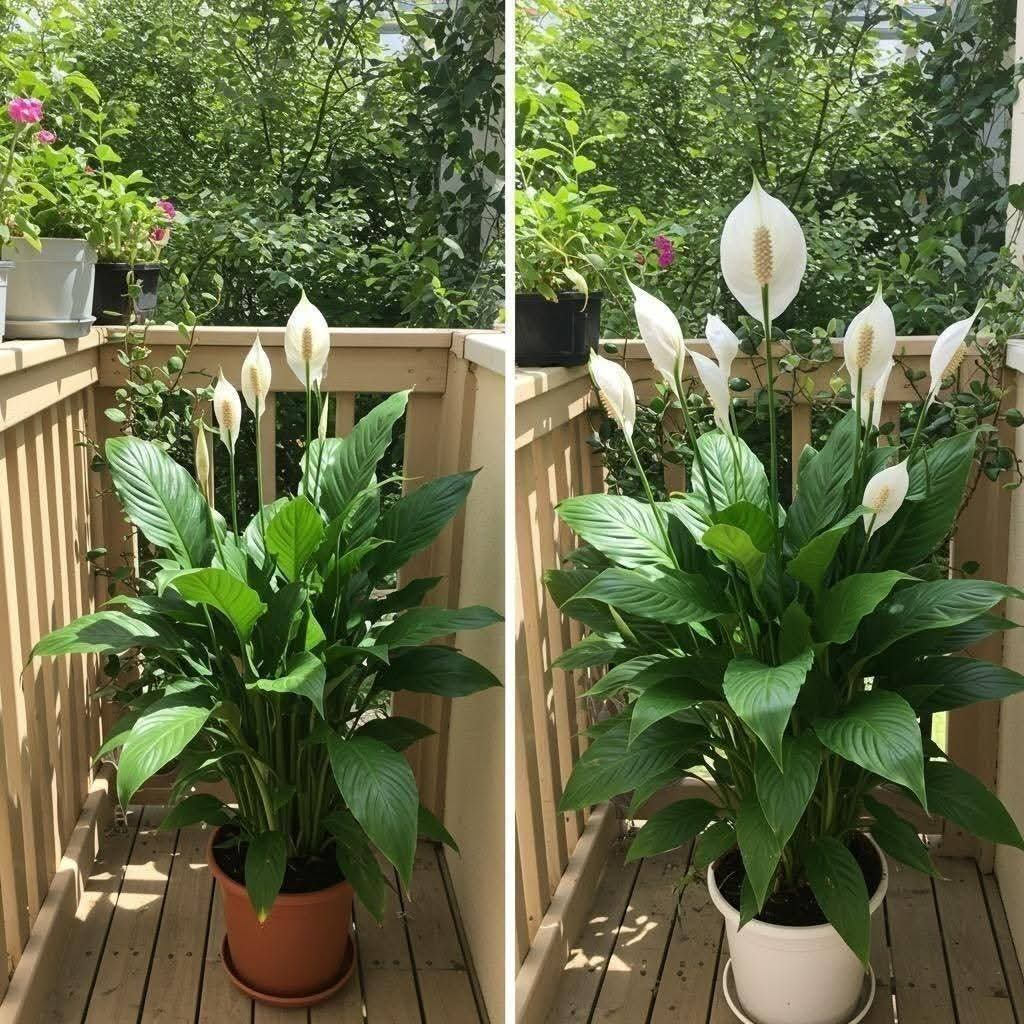
Social media platforms are flooded with DIY gardening hacks promising to instantly revive dead houseplants using household ingredients. The shared image shows a step-by-step “before and after” sequence where a spoon filled with powder or liquid (such as cinnamon) is poured onto a completely withered, dried-out orchid, followed by pictures of a thriving, vibrant plant with the headline: “Sprinkle 1 spoon on dead orchid roots! Suddenly revived and blooms all year round”.
While certain spices like cinnamon do have mild antiseptic properties useful in propagation and pruning, no miracle ingredient can resurrect a plant whose root system and crown are dead. These dramatic transformations rely on misleading photo editing or using entirely different plants to generate video clicks.
Here is the botanical truth about cinnamon hacks, the breakdown of viral gardening clickbait, and step-by-step advice to actually save a struggling orchid:
1. The Problem: Clickbait Sensationalism in DIY Gardening
Viral plant rescue videos rely on well-tested engagement tactics to attract viewers:
Misleading “Before & After” Visuals: The dead plant shown on the left is often completely unsalvageable (dried stems, rotted roots, dead crown), while the plant shown on the right is an entirely different, healthy orchid bought specifically for the thumbnail.
Exaggerated Claims (Clickbait Hooks): Using sensational phrases like “Suddenly revived” or “Blooms all year round” lures viewers into watching long videos or visiting ad-heavy websites.
Misrepresenting Cinnamon’s Power: While cinnamon is a helpful natural fungicide for minor cuts, it does not act as a stem cell regenerator for dead plant tissues.
2. Explanation: What Does Botany Say About Cinnamon and Orchids?
From a horticultural perspective, caring for orchids (specifically the popular Phalaenopsis species) follows specific biological principles:
The Real Role of Cinnamon: Cinnamon powder is an effective natural antifungal agent used to dry out small wounds on leaves or roots after pruning. However, it should only be applied dry to open cuts. Pouring cinnamon in large quantities over potting media or healthy roots can actually dehydrate and damage them.
The Myth of Reanimating Dead Tissue: Once all the roots are black/mushy and the main crown (stem center) has turned yellow or brown, the plant can no longer absorb water or perform photosynthesis. No spoonful of powder can bring dead cells back to life.
Continuous Blooming Myth: Orchids naturally undergo dormant periods and require temperature drops (between day and night) to trigger new flower spikes. Claiming a plant will bloom non-stop all year round is biologically inaccurate.
3. Advice & Steps: How to Actually Save a Sick Orchid
If your orchid has root rot or yellowing leaves, follow these genuine rescue steps recommended by horticulturists:
1. Prune Away Rotted or Dead Roots
Remove the orchid from its pot and use sterilized shears to snip off any soft, mushy, or hollow brown roots. Leave only firm, plump green or silvery-white roots intact.
2. Apply Cinnamon Only to Cut Surfaces
Dust a tiny pinch of dry cinnamon powder directly onto the cut root ends to prevent fungal infections from entering the open wounds.
3. Repot in Fresh Bark Medium and Adjust Watering
Repot the orchid in fresh, airy pine bark medium (never standard potting soil). Water only when the roots inside the clear pot turn silver-gray, and ensure all excess water drains away completely.
Disclaimer & Safety Guidelines
This article is provided for general educational, horticultural literacy, and fact-checking purposes. Viral DIY gardening hacks frequently distort botanical reality to drive online video views. For reliable plant care and disease management, always consult certified nursery professionals and master gardener resources.