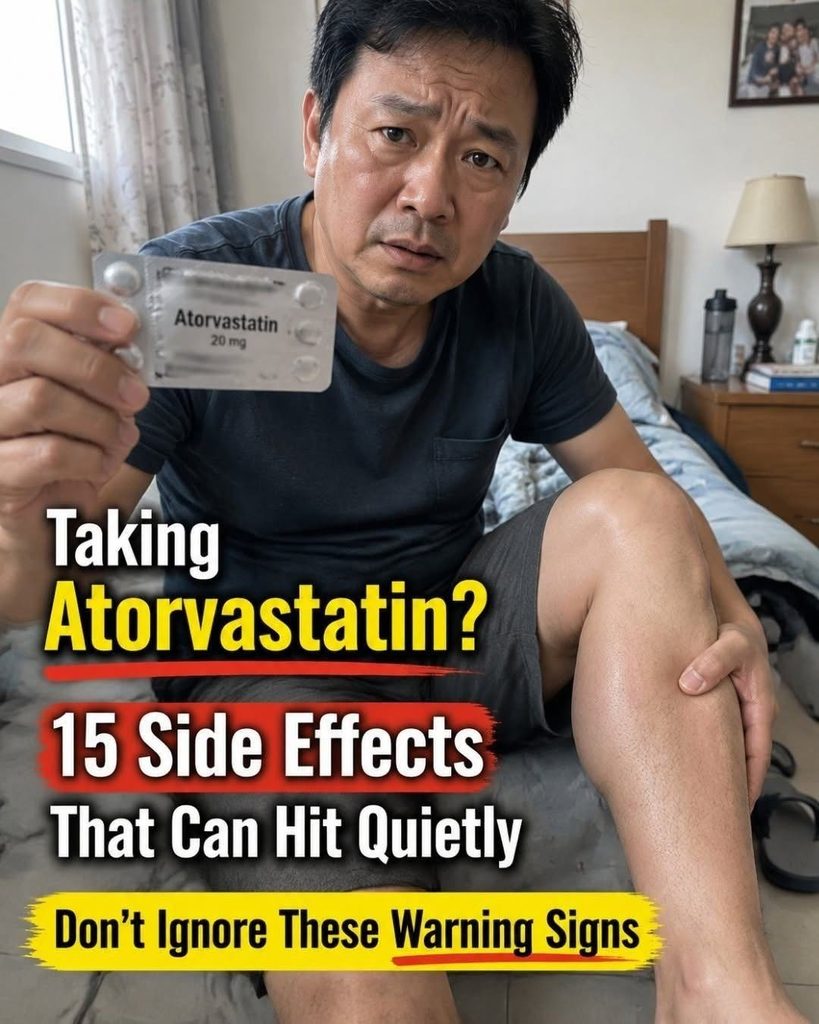
Taking Atorvastatin? 15 Possible Side Effects You Should Know About
Atorvastatin is one of the most commonly prescribed medications for lowering cholesterol and reducing the risk of heart attacks and strokes. It belongs to a group of medicines called statins, which help lower LDL (often called “bad” cholesterol) in the blood.
Although many people take atorvastatin without significant problems, side effects can occur. Some are mild and temporary, while others may require medical attention.
If you or someone you love takes atorvastatin, understanding its possible side effects can help you recognize unusual symptoms and know when to contact a healthcare professional.
Important: Not everyone experiences side effects, and symptoms listed below can have causes unrelated to atorvastatin. Never stop or change a prescribed dose without consulting your healthcare professional, except when seeking urgent medical advice for a potentially serious reaction.
What Is Atorvastatin Used For?
Atorvastatin helps reduce the amount of cholesterol produced by the liver. It can lower LDL cholesterol and triglycerides and may help reduce the risk of heart attack, stroke, and other cardiovascular complications.
It is often prescribed to people with high cholesterol, cardiovascular disease, diabetes, or other risk factors that increase their likelihood of developing heart problems.
For many patients, the benefits of taking atorvastatin outweigh the risks of potential side effects. The right treatment depends on individual health conditions and cardiovascular risk.
15 Possible Atorvastatin Side Effects
1. Muscle Pain or Aching
Muscle discomfort is one of the best-known potential side effects of statins. Some people experience soreness, tenderness, or aching in their arms, legs, shoulders, or back.
Muscle pain can also result from exercise, injury, or other medical conditions, so it is important not to assume that atorvastatin is responsible.
Contact your healthcare professional if unexplained muscle pain develops or persists.
2. Unusual Muscle Weakness
Some people taking atorvastatin report feeling weaker than usual or having difficulty with activities that were previously easy.
Persistent or unexplained weakness deserves medical assessment, particularly when accompanied by muscle pain or tenderness.
Severe muscle weakness may indicate a rare but serious muscle complication.
3. Feeling More Tired Than Usual
Fatigue or a general feeling of weakness can occur in people taking medications, including atorvastatin.
However, tiredness has many possible causes, including poor sleep, anemia, thyroid disorders, and other illnesses.
If fatigue is persistent, worsening, or interfering with daily activities, discuss it with your healthcare professional rather than assuming the medication is responsible.
4. Headaches
Headaches have been reported by people taking atorvastatin. They are often mild, but a persistent or unusual headache should not automatically be attributed to the medication.
Seek urgent medical care for a sudden, severe headache or one accompanied by symptoms such as confusion, fainting, or new weakness.
5. Dizziness
Some people experience dizziness while taking atorvastatin.
Dizziness can also be associated with dehydration, low blood pressure, inner-ear problems, or other medications.
If dizziness continues or repeatedly occurs after taking your medicine, speak with a healthcare professional. Avoid driving or operating machinery while you feel dizzy.
6. Digestive Problems
Atorvastatin may cause digestive symptoms, including:
Diarrhea
Constipation
Indigestion
Gas or bloating
Nausea
These symptoms are often manageable, but persistent or severe digestive problems should be evaluated.
Severe abdominal pain, especially if accompanied by vomiting, requires prompt medical attention.
7. Nausea
Some people experience nausea while taking atorvastatin. This may be temporary, but ongoing nausea can interfere with eating and everyday activities.
If nausea persists, ask a pharmacist or doctor whether adjustments to your treatment or other measures might help.
8. Joint Pain
Joint discomfort has been reported in people taking atorvastatin.
Pain in the knees, hips, shoulders, or other joints can also result from arthritis, injury, or physical activity.
If joint pain begins after starting treatment or becomes difficult to manage, discuss the timing and severity of the symptoms with your healthcare professional.
9. Sleep Problems
Some people taking statins report difficulty sleeping or changes in their sleep patterns.
Sleep disturbances may also be related to stress, caffeine, other medicines, or underlying health conditions.
If sleep problems begin after starting atorvastatin and continue, keep a record of your symptoms and discuss them with your healthcare professional.
10. Memory Problems or Confusion
Some people have reported forgetfulness or confusion while taking atorvastatin and other statins.
These reports do not mean that everyone taking the medication will experience memory problems, and such symptoms may have many other causes.
If you notice a persistent change in memory or concentration, arrange a medical assessment. Sudden confusion requires urgent evaluation.
11. Changes in Blood Sugar
Statins can slightly increase blood glucose levels and may increase the risk of developing type 2 diabetes in some people, particularly those who already have risk factors.
For many people at increased cardiovascular risk, the protection against heart attacks and strokes remains an important benefit.
Follow your clinician’s advice about blood sugar monitoring, particularly if you have diabetes, prediabetes, or other metabolic risk factors.
12. Changes in Liver Enzymes
Atorvastatin can cause changes in liver enzyme levels detected through blood tests. Serious liver injury is uncommon.
Possible warning signs of a liver problem include:
Yellowing of the skin or whites of the eyes
Dark urine
Unusual loss of appetite
Persistent nausea
Pain in the upper-right part of the abdomen
Unusual tiredness accompanied by other symptoms
Seek prompt medical attention if these symptoms develop. Your healthcare professional can determine whether liver tests or changes to your treatment are necessary.
13. Skin Rash or Itching
Some people develop a rash, itching, or another skin reaction while taking atorvastatin.
A mild rash should be discussed with a healthcare professional, especially if it spreads or worsens.
If you develop swelling of the face, lips, tongue, or throat, or have difficulty breathing, seek emergency medical help because these may be signs of a severe allergic reaction.
14. Muscle Damage in Rare Cases
In rare cases, statins can cause serious muscle injury. One severe form is called rhabdomyolysis, in which damaged muscle tissue releases substances that can harm the kidneys.
Warning signs include:
Severe or unexplained muscle pain
Significant muscle weakness
Dark, tea-colored or cola-colored urine
Markedly reduced urine output
Feeling severely unwell, sometimes with fever
These symptoms require urgent medical evaluation. Do not wait for a routine appointment if you suspect serious muscle damage.
15. Rare Inflammation of the Pancreas
Inflammation of the pancreas, known as pancreatitis, has been reported rarely in people taking atorvastatin.
Symptoms may include severe, persistent pain in the upper abdomen, sometimes spreading to the back, with nausea or vomiting.
Severe abdominal pain of this kind requires urgent medical assessment. It does not automatically mean atorvastatin is the cause, but the possibility should be evaluated.
Which Atorvastatin Side Effects Require Immediate Medical Attention?
Although most side effects are not emergencies, certain symptoms should never be ignored.
Seek emergency medical care if you experience:
Difficulty breathing or swelling of the face, tongue, or throat.
Severe or unexplained muscle pain or weakness accompanied by dark urine.
Severe abdominal pain, especially with persistent vomiting.
Yellowing of the skin or eyes accompanied by other possible signs of liver injury.
Contact your healthcare professional promptly if you develop persistent muscle aches, unusual fatigue, ongoing digestive symptoms, dizziness, or new memory problems.
Who May Have a Higher Risk of Side Effects?
Certain factors can increase the risk of complications or make closer monitoring necessary.
These include:
A history of liver disease.
Kidney problems.
An underactive thyroid that is not adequately treated.
Previous unexplained muscle symptoms.
Taking certain antibiotics, antifungal medicines, or other medications that interact with atorvastatin.
Regularly drinking large amounts of alcohol.
Taking other cholesterol-lowering medicines that can increase the risk of muscle problems.
Tell your doctor or pharmacist about all prescription medicines, over-the-counter products, vitamins, and herbal supplements you use.
How Can You Take Atorvastatin More Safely?
A few practical habits can help you use atorvastatin safely.
Take the prescribed dose. Follow your prescription and take the medicine consistently as directed.
Keep medical appointments. Your healthcare professional may recommend cholesterol tests and liver blood tests based on your circumstances.
Report new symptoms. Record when symptoms began, how severe they are, and whether anything seems to make them better or worse.
Check for drug interactions. Some medicines can increase atorvastatin levels and raise the risk of side effects. Ask your pharmacist before starting a new medication or supplement.
Discuss grapefruit and alcohol. Grapefruit and grapefruit juice can interact with atorvastatin, while excessive alcohol consumption can increase concerns about liver health. Ask your healthcare professional what limits are appropriate for you.
Do not discontinue treatment on your own. Stopping atorvastatin may allow cholesterol levels to rise again and remove some of its cardiovascular protection. If side effects are suspected, your clinician may recommend a different dose, another statin, or an alternative treatment.
Should You Stop Taking Atorvastatin If You Notice Side Effects?
Not necessarily. The correct response depends on the symptom and its severity.
Mild symptoms may be manageable, and your healthcare professional can help determine whether atorvastatin is responsible. Depending on the situation, they may order blood tests, review possible interactions, adjust the dose, or consider a different cholesterol-lowering medicine.
If you develop warning signs of a serious reaction, seek urgent medical advice immediately rather than waiting for a routine appointment.
The goal is to protect your heart and blood vessels while addressing any treatment-related problems safely.
Final Thoughts
Atorvastatin plays an important role in lowering cholesterol and reducing cardiovascular risk. Like any medication, it can cause side effects, but many people tolerate it well.
Muscle pain, digestive problems, headaches, and dizziness are among the symptoms that may occur. More serious complications, including significant muscle injury or liver problems, are uncommon but require prompt attention when warning signs appear.
The most important lesson is to know your body, report persistent or unusual symptoms, and work with your healthcare professional before changing your treatment.
Have you experienced any unexpected symptoms while taking atorvastatin? Share your general experience in the comments. Remember that everyone’s medical situation is different, and personal experiences cannot replace professional medical advice.
Medical disclaimer: This article is for general educational purposes only and is not a substitute for professional medical advice, diagnosis, or treatment. For medication-specific guidance, consult your doctor or pharmacist.