Mystery Holes in Your Cotton Clothes: Moths, Washing Machine, or Friction?
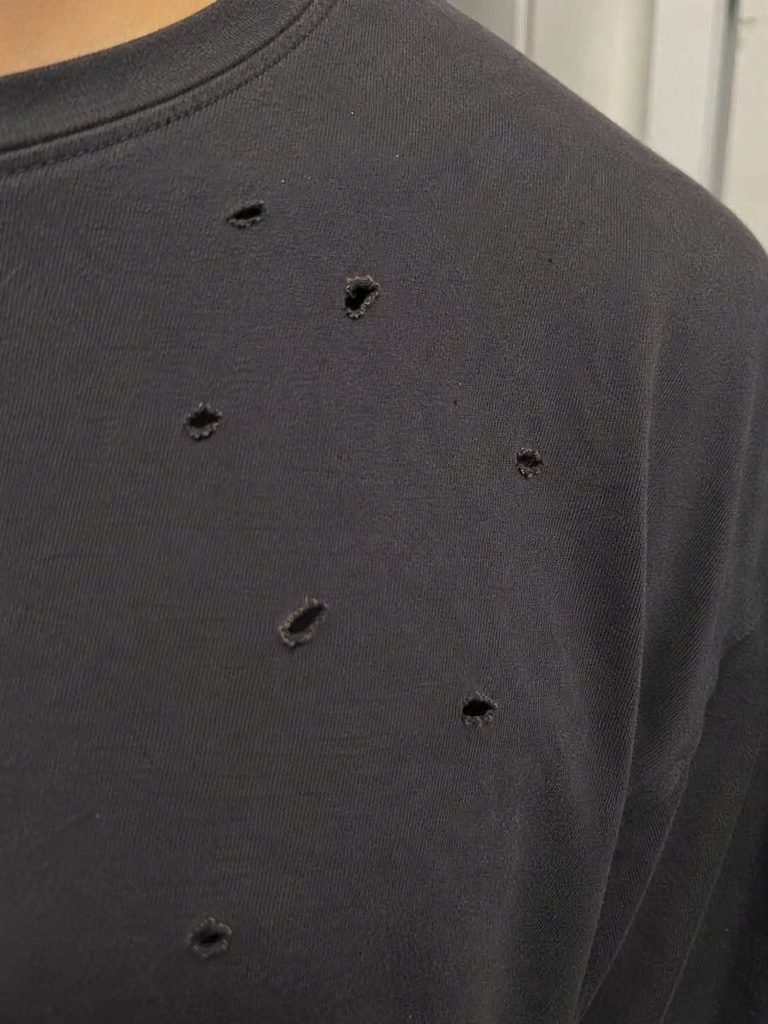
Discovering a cluster of tiny, mysterious holes in your favorite cotton T-shirts or tops is a universal frustration that frequently trends on social media. The shared image shows the shoulder area of a dark T-shirt riddled with several small perforations, accompanied by the panicked plea: “I’m losing my mind!!! What is causing these holes in my clothes? Some are tiny, while others are much bigger. They keep appearing on more and more of my clothes. Check the First Comment for More Details.”
While most people immediately blame clothes moths, the true culprit behind these mysterious holes is often quite different.
Here is the technical explanation behind these holes, how to tell insect damage apart from mechanical wear, and practical steps to protect your wardrobe:
1. The Problem: The Mystery of Recurring Clothing Holes
Finding unexpected holes in your cotton garments often leads to wrong assumptions and unnecessary panic:
The Automatic “Moth” Assumption: People commonly assume insects eat all fabric types. In reality, clothes moth larvae feed almost exclusively on animal-based fibers (wool, cashmere, silk).
The “First Comment” Engagement Trap: Social media posts featuring everyday annoyances frequently use “Check the First Comment” prompts to drive readers into the comment section, boosting the post’s algorithmic reach.
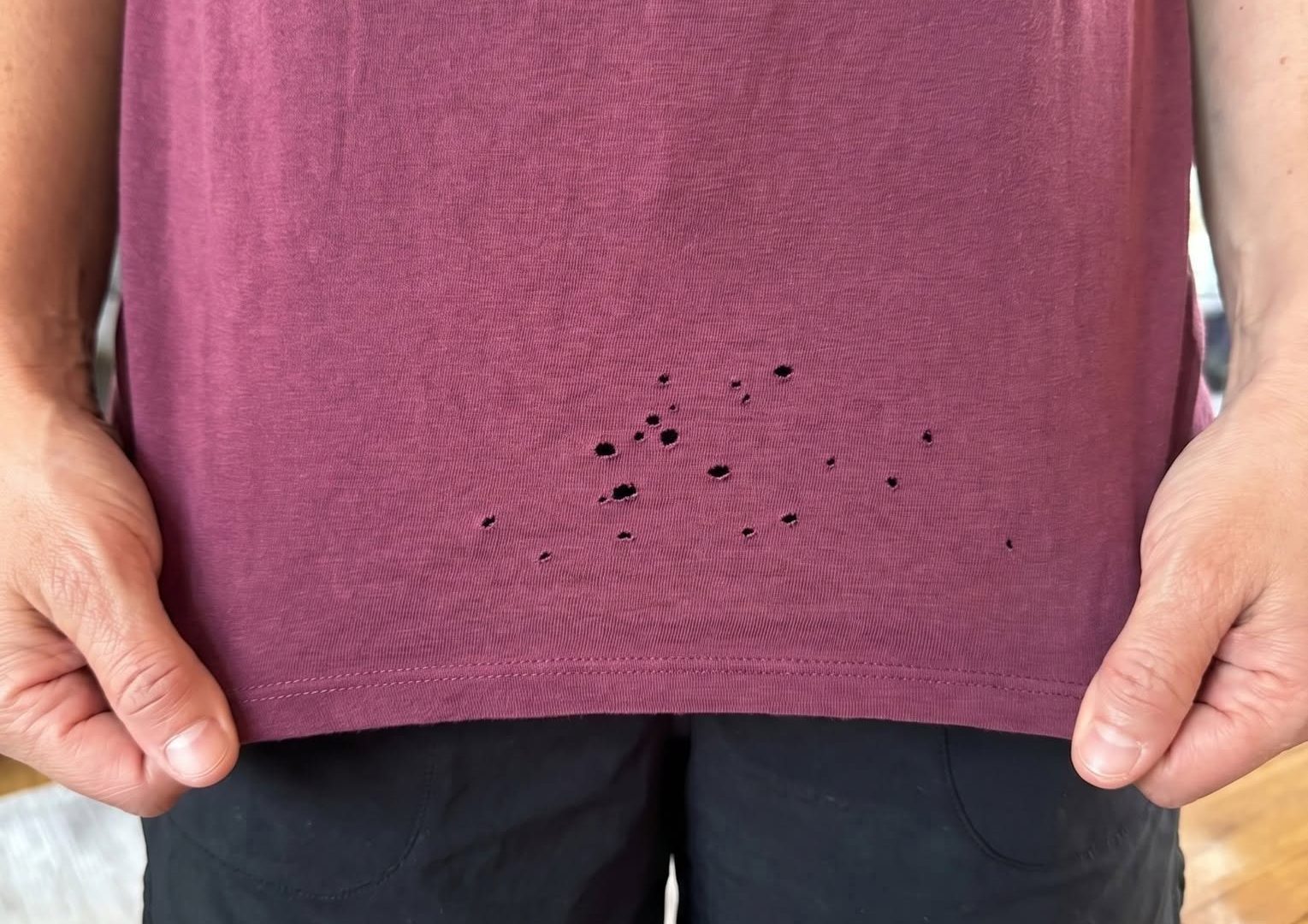
Delayed Damage Revelation: Micro-tears caused by everyday friction often stay invisible until a wash cycle stretches the weakened threads, making the hole suddenly appear after laundering.
2. Explanation: What Is ACTUALLY Causing the Holes?
From a textile and laundry care perspective, several common mechanical and environmental factors cause these holes:
Mechanical Friction (Belt Buckles and Zippers): This is the number one cause of holes near the waistline or belly button area. Thin cotton jersey repeatedly rubs against rough surfaces like belt buckles, jean buttons, kitchen countertops, or car seatbelts, weakening the fibers until they snap.
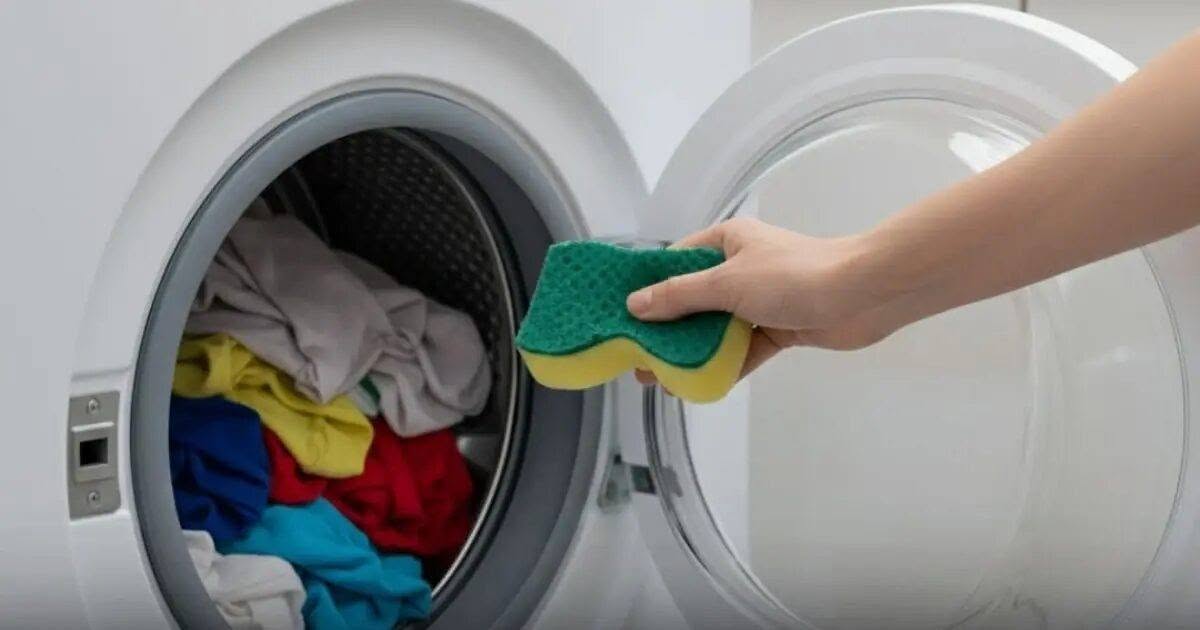
Washing Machine Drums and Unzipped Hardware: During high-speed wash or spin cycles, exposed zipper teeth, bra hooks, or velcro straps can snag delicate cotton threads and tear open small holes.
Textile Pests (Carpet Beetles vs. Moths):
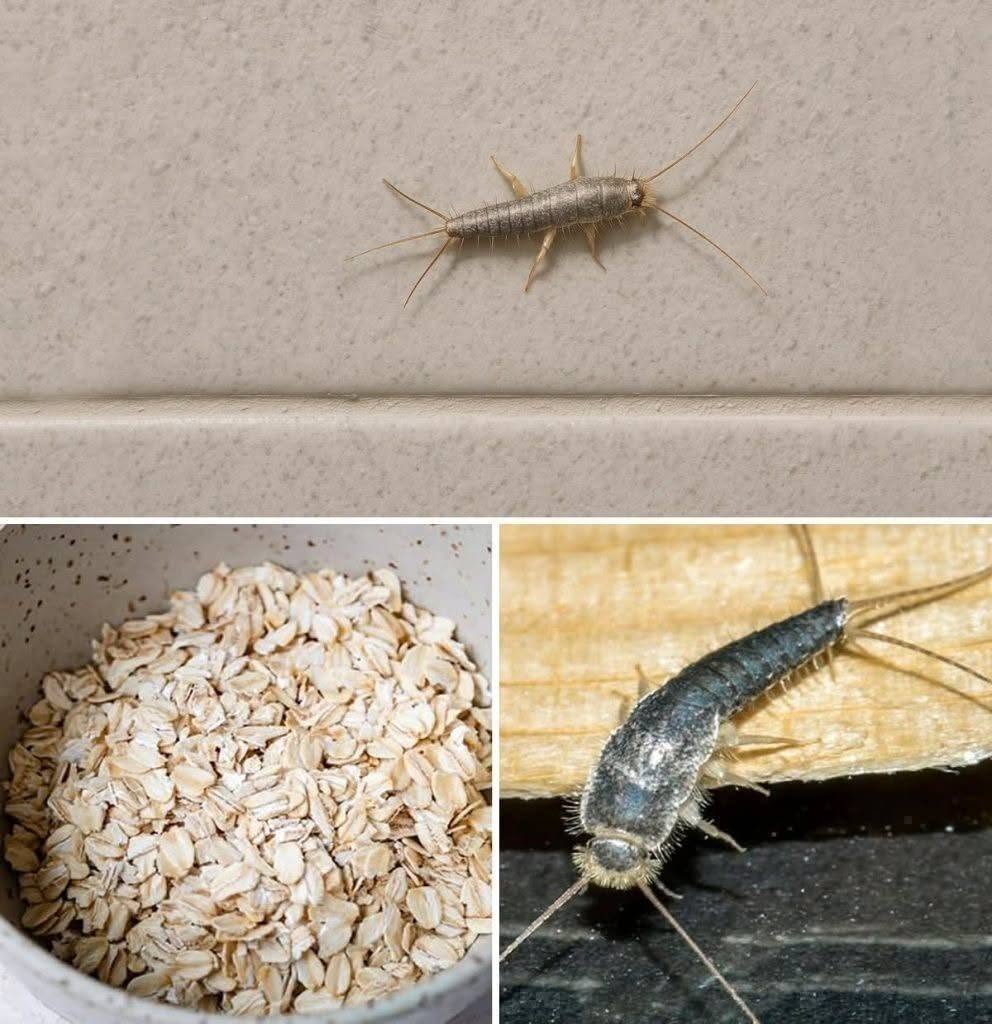
Clothes Moths: Moth larvae do not eat pure cotton or synthetic fibers. However, if a cotton shirt has spilled food, sweat, or body oils on it, larvae may chew through the cotton to reach the organic residue.
Carpet Beetles: Carpet beetle larvae (Anthrenus) are far less picky than moths and can feed on cotton blend fabrics stored in dark, undisturbed closets.
3. Advice & Steps: How to Prevent Holes in Your Clothes
To protect your cotton T-shirts and tops from recurring damage, implement these simple laundry and wardrobe habits:
1. Zip Up Garments and Use Mesh Laundry Bags
Before tossing clothes into the washing machine, close all zippers, hooks, and velcro fasteners. Wash thin or tissue-weight cotton T-shirts inside protective mesh laundry bags.
2. Check for Daily Friction Points
Pay attention to your daily routines. If holes appear consistently around your waist or shoulders, check if your belt buckle, purse strap, hardware, or desk edge is creating a constant friction point.
3. Clean Closets and Wash Clothes Before Storing
Always wash clothes before storing them for seasonal transitions (pests are drawn to perspiration and food traces). Keep closets clean, ventilated, and consider using natural deterrents like cedar blocks or lavender sachets.
Disclaimer & Safety Guidelines
This article is provided for general informational, laundry care, and home organization educational purposes. Viral social media posts often leverage common household annoyances to generate digital traffic. If you suspect an active pest infestation in your home, perform a thorough cleaning of your wardrobe and consult a licensed pest control professional if necessary.