The Mystery of Silver Insects: How to Identify and Eliminate Silverfish Effectively
Crawling insects that quietly invade our living spaces often spark curiosity and concern across social media platforms. One of the most common yet unseen household pests is the silverfish (Lepisma saccharinum), a small, metallic-colored insect that many homeowners host without even realizing it.
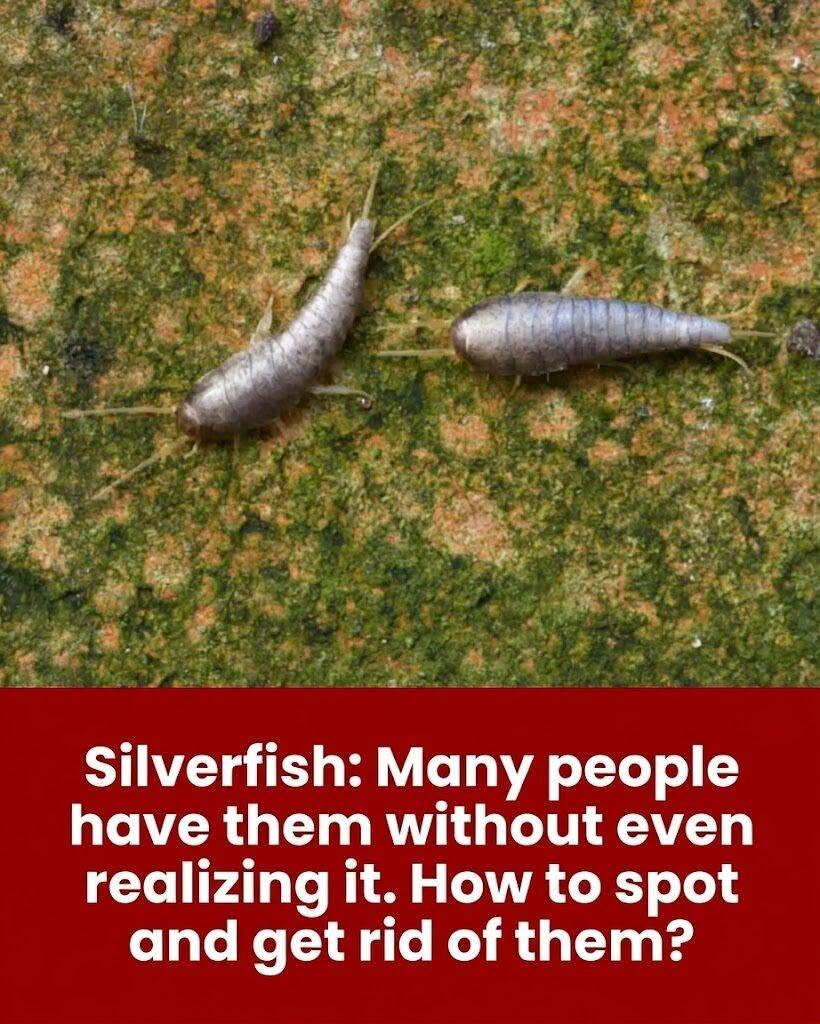
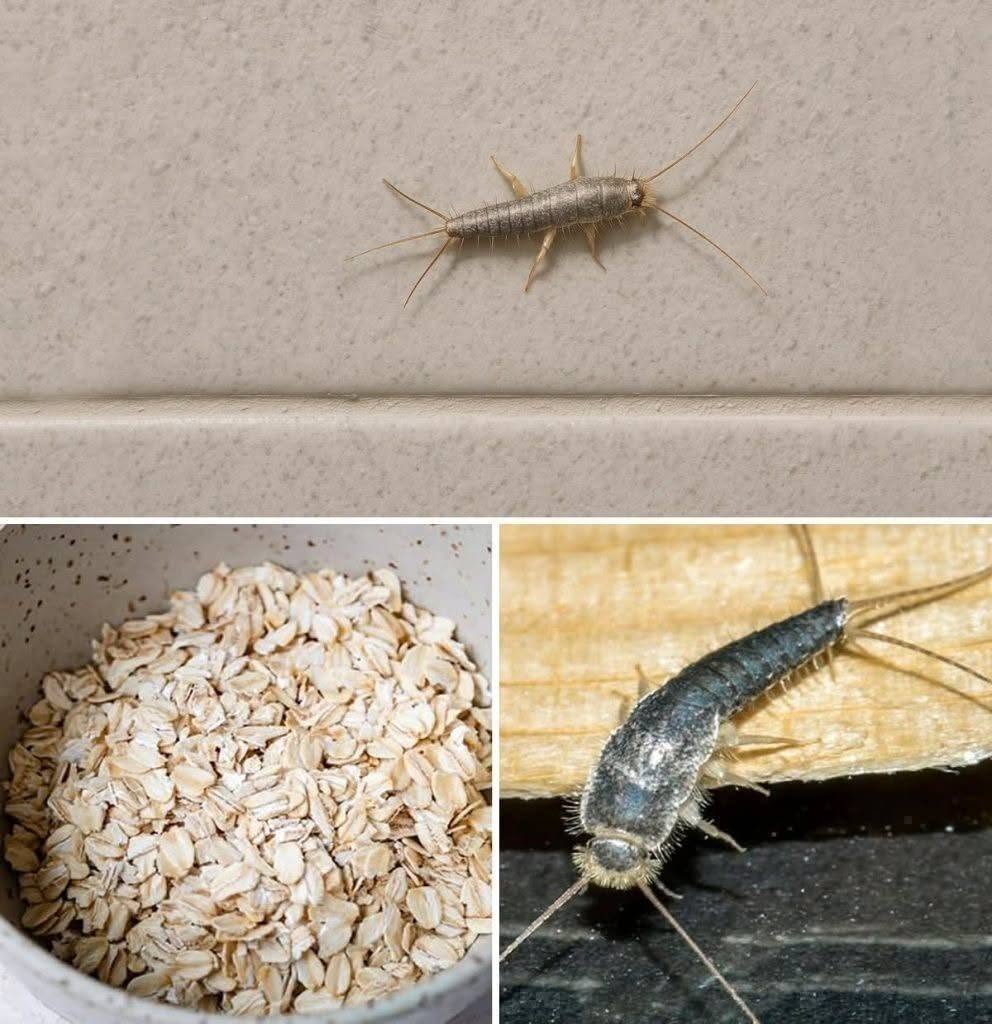
The shared image depicts two silverfish displaying their characteristic silver scales on a textured surface, accompanied by the question: “Silverfish: Many people have them without even realizing it. How to spot and get rid of them?”
Here is the biological explanation behind silverfish behavior, how to detect their presence, and practical steps to eliminate them naturally:
1. The Problem: Silent Household Infestations and Material Damage
Silverfish are nocturnal, fast-moving insects that thrive in dark, humid environments:
Invisible Infiltration: Because silverfish are photophobic (light-averse) and extremely agile, they spend daytime hours hiding deep inside wall cracks, behind baseboards, and under sinks.
Starch and Carbohydrate Diet: Silverfish feed on complex carbohydrates, starches, and sugars. They damage wallpaper glue, book bindings, cardboard boxes, starched cotton or linen clothing, and unsealed pantry items like cereal or flour.
Rapid Reproduction: Female silverfish lay eggs in warm, damp crevices throughout bathrooms and kitchens, quickly turning a few stray insects into a persistent household infestation.
2. Explanation: Why Silverfish Choose Your Home
From an entomological standpoint, the presence of silverfish provides direct feedback about your indoor environment:
High Indoor Humidity: Silverfish require a relative humidity level above 75% to survive and reproduce. Poorly ventilated bathrooms, damp basements, and humid laundry rooms serve as primary breeding zones.
Abundant Entry Points: Unsealed baseboards, cracked tiles, and gaps around plumbing pipes offer dark, safe harborages away from natural predators.
Harmless to Human Health: While frustrating to encounter, silverfish do not bite, sting, or transmit infectious diseases to humans or household pets.
3. Advice & Steps: How to Eliminate Silverfish Step-by-Step
To eradicate a silverfish infestation and prevent them from returning, implement these targeted steps:
1. Reduce Humidity and Improve Ventilation
Use a dehumidifier or exhaust fan in bathrooms and basements to keep relative humidity below 50%. Vent rooms daily for 10 to 15 minutes.
2. Secure Food Sources and Seal Cracks
Store pantry items (flour, sugar, oats, pasta) in airtight glass or hard plastic containers.
Apply caulk or silicone sealant to gaps around baseboards, window sills, and plumbing entry points.
3. Use Natural Traps and Repellents
Diatomaceous Earth: Lightly sprinkle food-grade diatomaceous earth along baseboards and behind appliances. This natural powder dehydrates the insect’s outer exoskeleton upon contact.
Baking Soda and Sugar Bait: Mix equal parts baking soda and powdered sugar. Attracted by the sugar, silverfish ingest the mixture, which disrupts their digestive system.
Essential Oil Repellents: Spray a water mixture infused with a few drops of cedarwood, lavender, or peppermint essential oil into dark corners to deter them.
Disclaimer & Safety Guidelines
This article is provided for informational and general pest control educational purposes. When applying food-grade diatomaceous earth, avoid breathing in airborne dust during application. If dealing with a severe or building-wide infestation, consult a licensed pest control professional.