Muscle Loss After 65? Key Foods to Keep Your Body Strong
As we age, our bodies naturally undergo a gradual decline in muscle mass, strength, and function—a condition medically known as sarcopenia. After age 65, muscle breakdown can accelerate without targeted nutrition, impacting mobility, balance, energy levels, and everyday independence.
Fortunately, prioritizing protein intake and incorporating nutrient-dense foods into your daily meals can stimulate muscle protein synthesis and slow age-related muscle loss.
Here are the best foods to add to your diet daily to preserve and build muscle strength after 65:
1. Soybeans and Legumes (Soy, Chickpeas, Lentils)
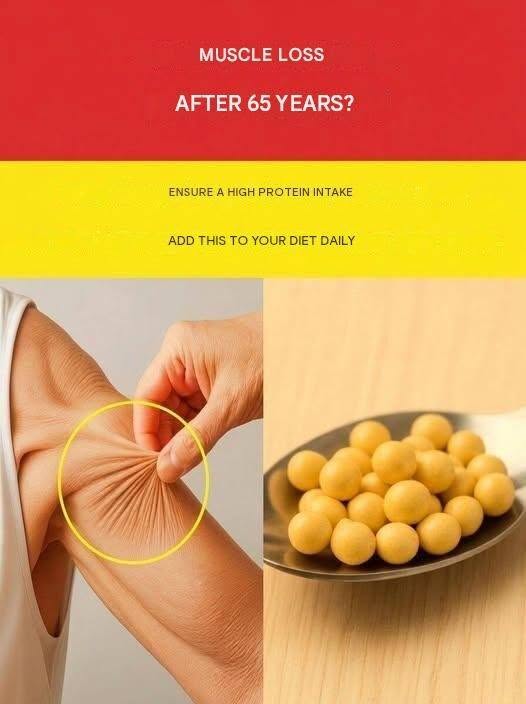
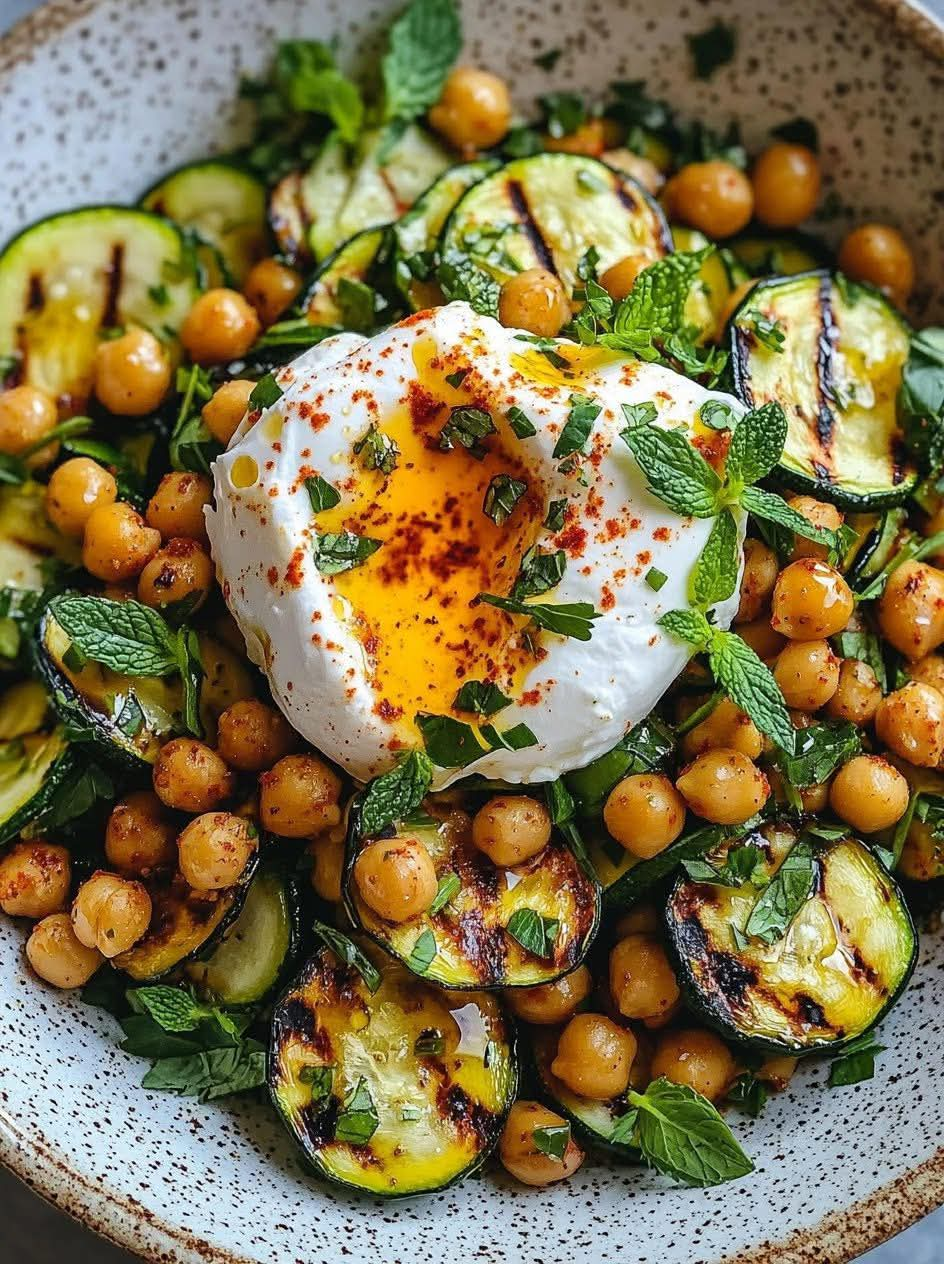
As featured in the image, soybeans and legumes are plant-based powerhouses for combating muscle loss.
Complete Protein: Soybeans provide all nine essential amino acids necessary for rebuilding and repairing muscle fibers.
Versatile Options: Incorporating soy products—such as tofu, edamame, soy milk, or steamed soybeans—offers a cholesterol-free, highly digestible protein boost.
2. Whole Eggs: The Gold Standard for Muscle Health
Eggs remain one of the most complete and accessible protein sources available.
High Biological Value: Egg whites supply easily absorbed protein, while the yolks provide essential nutrients like vitamin D and healthy fats that support overall muscle function and muscle cell membrane integrity.
3. Fatty Fish (Salmon, Mackerel, Sardines)
Oily fish deliver a powerful two-in-one benefit for older adults:
Lean Protein: Provides the structural building blocks for muscle growth.
Omega-3 Fatty Acids: Reduces chronic low-grade inflammation, a major driver of age-related muscle deterioration.
4. Greek Yogurt and Dairy
Greek yogurt, cottage cheese, and whey protein are packed with leucine, a vital branched-chain amino acid (BCAA) that acts as the primary trigger for muscle protein synthesis.
Bone Support: The combination of calcium and protein in dairy supports both muscle contraction and bone density, reducing the risk of osteoporosis and falls.
5. Lean Poultry and Meats
Chicken, turkey, and lean cuts of beef are rich in heme iron, zinc, and dietary creatine, which support energy metabolism and muscular endurance during everyday tasks.
Tips to Maximize Muscle Preservation
Distribute Protein Evenly: Aim for 25 to 30 grams of high-quality protein at each main meal (breakfast, lunch, and dinner) rather than eating most of your daily protein at dinner time.
Combine Nutrition with Resistance Training: Protein synthesis is most effective when paired with light weightlifting, resistance bands, or bodyweight exercises.
Stay Hydrated: Adequate water intake is essential for muscle cell volume, nutrient transport, and cramp prevention.
Medical Disclaimer
This article is for informational purposes only and does not replace individual dietary guidance. Always consult a healthcare provider or registered dietitian before making significant changes to your diet, especially if you have pre-existing kidney conditions.