If You Find a Centipede at Home, Here’s What It Really Means
Finding a centipede crawling across your floor or hiding in a dark corner can be an unpleasant surprise. Before you panic, there is something important to know: seeing a centipede indoors usually has a simple, practical explanation. Centipedes are attracted to places where they can find moisture, darkness, shelter, and food.
Why Centipedes Enter Your House
Centipedes are natural predators that wander indoors following basic survival needs. They aren’t looking for human interaction; they are looking for ideal hunting grounds.
Moisture: Bathrooms, basements, kitchens, and damp laundry areas draw them in.
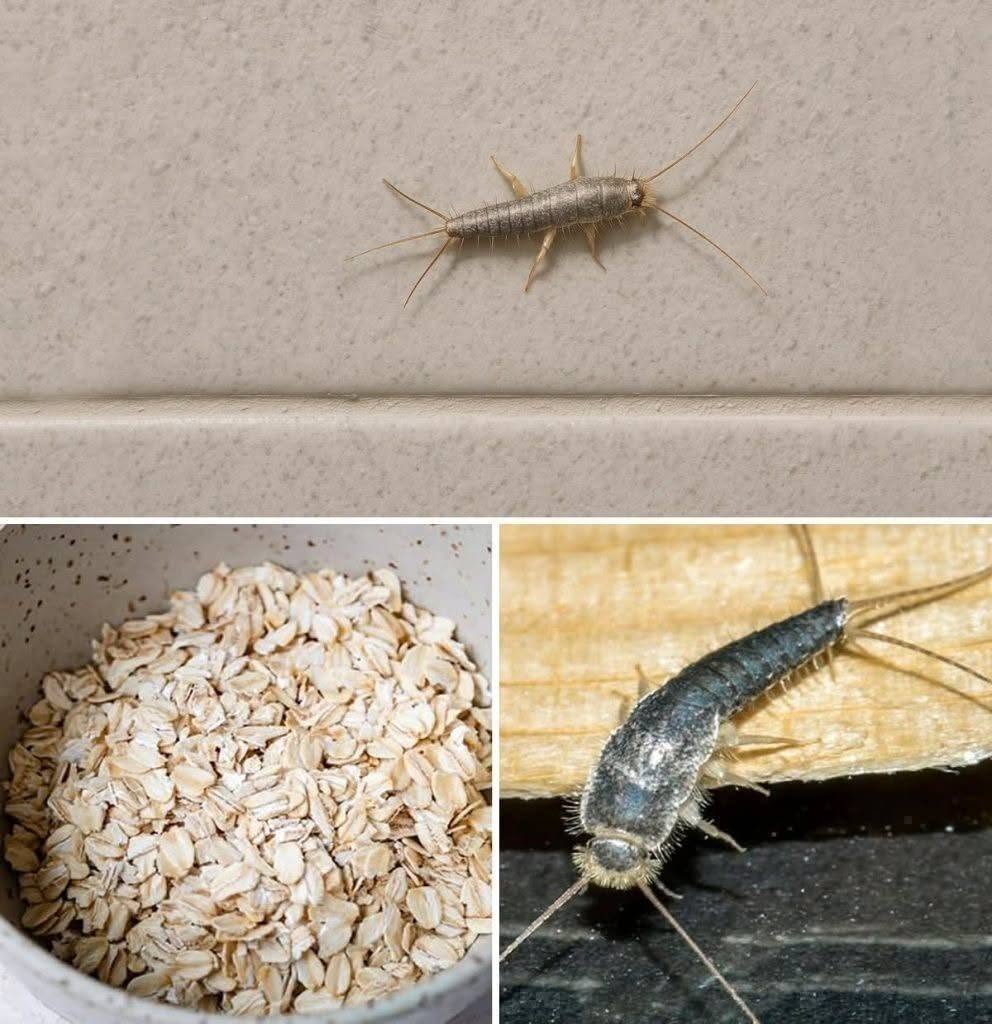
Food: They feed on other small arthropods, including spiders, ants, cockroaches, and silverfish.
Dark Shelter: They prefer cool, protected spaces away from bright lights.
Easy Access: Small cracks around doors, windows, utility pipes, and foundation walls act as open doors.
Are They Dangerous?
Most common household centipedes are harmless to humans. While they can bite if trapped or handled directly—causing mild localized pain or redness—most encounters end without incident. In fact, they act as natural pest control by keeping other bug populations down.
What Frequent Sightings Signal
Repeatedly finding centipedes usually points to an underlying environmental issue rather than a centipede infestation:
Excess Moisture: Leaky pipes or poor ventilation create ideal habitats.
Hidden Prey: Multiple centipedes mean an abundant food source of other insects exists nearby.
Unsealed Entry Points: Unsealed exterior gaps make home entry effortless.
Simple Ways to Reduce Centipedes Indoors
Fix plumbing leaks and run dehumidifiers in damp rooms.
Seal structural cracks around windows, doors, and foundation walls.
Clear outdoor leaf litter and vegetation away from the exterior foundation.
Address underlying populations of ants, spiders, or silverfish.
Popular claims about centipedes bringing supernatural signs or bad luck are pure myth. Science shows they simply follow prey and moisture.