4-Ingredient “Miracle” Dinners: Fact-Checking Recipe Clickbait and the Science of Slow Cooking
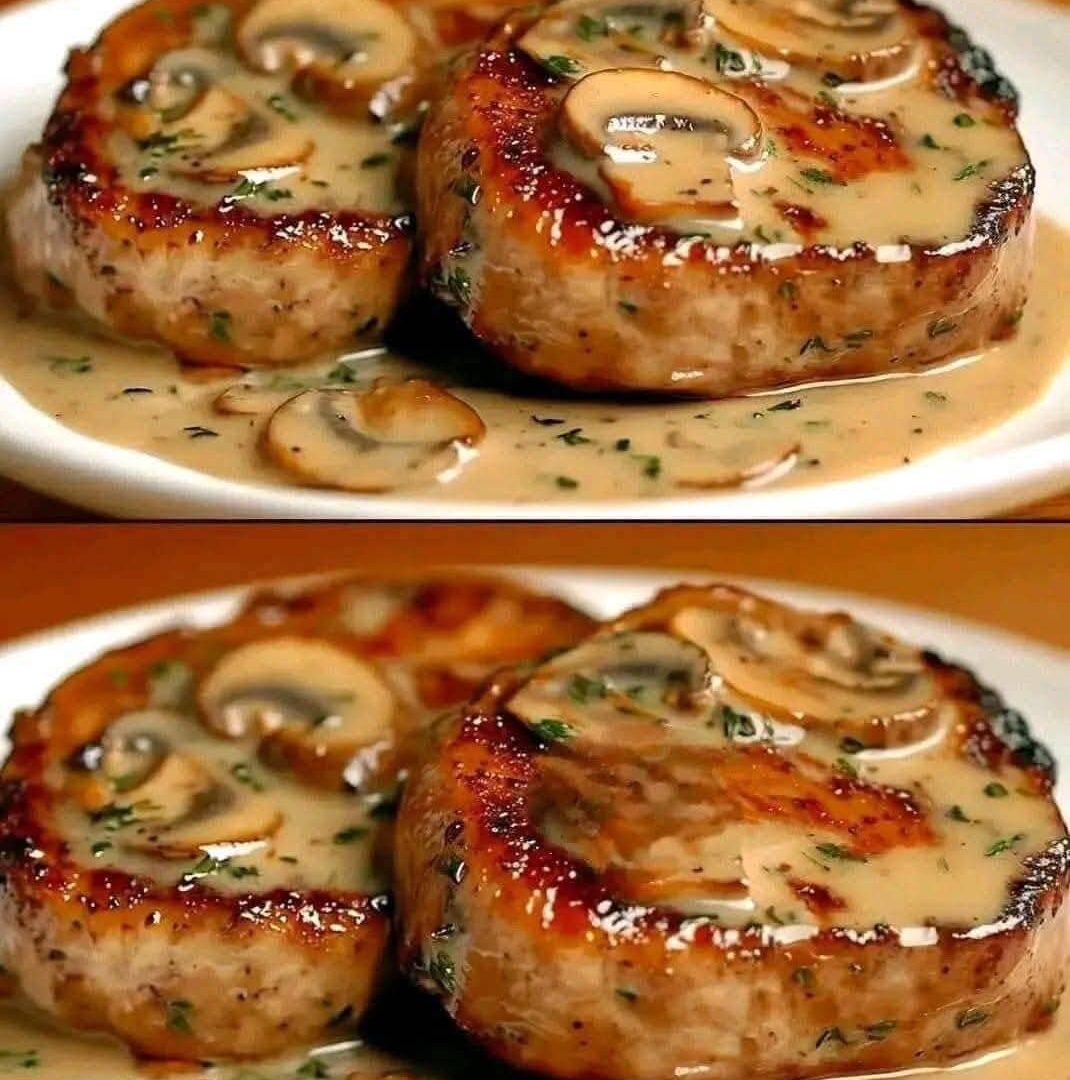
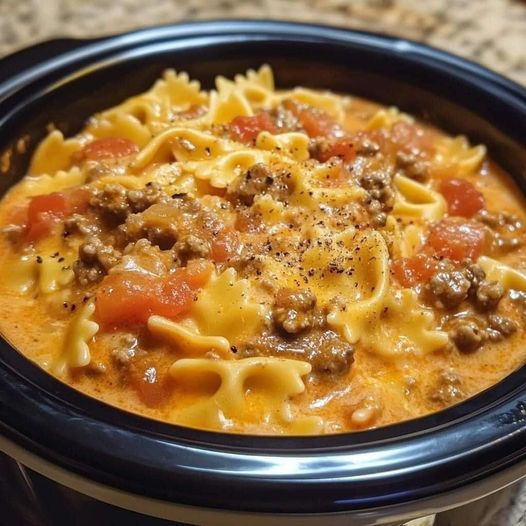
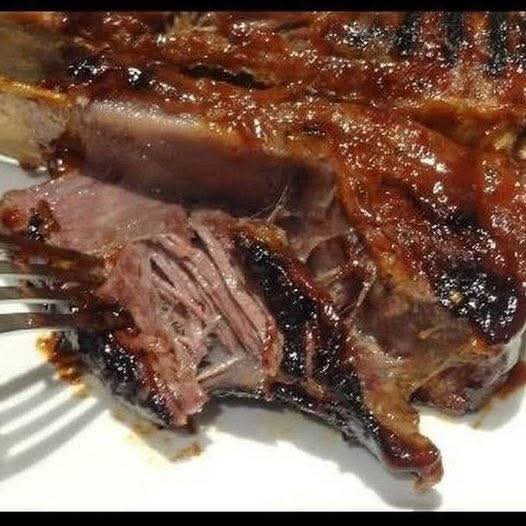
Viral recipe posts promising mouthwatering, restaurant-quality meals using just four basic ingredients circulate heavily across social platforms. The shared image depicts a slow cooker filled with tender, glazed pork chops in a rich, dark sauce, paired with a nostalgic story and an explicit engagement request: “My dad passed down this cheap dinner trick. Just 4 ingredients for the most melt in your mouth meal you will ever serve your family this spring.. I offer you this recipe in exchange for a simple “Yum””.
While slow cooking budget-friendly cuts of meat is an excellent way to achieve fork-tender results, these viral posts rely on engagement bait and emotional hooks to mask basic culinary science as a “secret trick”.
Here is the culinary breakdown of this viral recipe hack, the mechanics of food clickbait, and proven techniques to master slow-cooked meats at home:
1. The Problem: Comment Baiting and Fake Nostalgia in Online Recipes
Viral food posts on Facebook and Pinterest use specific psychological tactics to maximize algorithm reach:
Comment-Baiting (“In exchange for Yum”): Forcing users to leave a simple one-word comment (“Yum”) is an engagement tactic designed to boost post visibility in social media algorithms.
Nostalgic Anchoring (“My dad passed down…”): Invoking family tradition or a secret passed down through generations creates a false sense of home-cooked authenticity.
Over-Simplification (“Just 4 ingredients”): Claims of extraordinary results with minimal ingredients frequently rely on heavily processed packaged foods (like pre-made BBQ sauces or dry onion soup mixes) high in sodium and preservatives.
2. Explanation: What Makes Slow-Cooked Meat “Melt in Your Mouth”?
From a culinary and food science perspective, tender slow-cooked meat is the result of precise heat transformation, not a secret trick:
Collagen Hydrolysis: Tougher, inexpensive cuts of meat (such as pork shoulder, pork chops, or beef chuck) contain high amounts of connective tissue made of collagen. Cooking at low, steady temperatures ($175^\circ\text{F}$ to $200^\circ\text{F}$ / $80^\circ\text{C}$ to $93^\circ\text{C}$) over 6 to 8 hours breaks collagen down into soft gelatin, making the meat tender and juicy.
Sauce Reduction and Glaze: The glossy coating seen in slow-cooker dishes comes from combining sugar (honey, brown sugar, or BBQ sauce) with acids (vinegar or citrus) and seasonings. As moisture evaporates slowly inside the cooker, the sugars caramelize into a rich glaze.
Moisture Retention: Slow cookers retain steam, preventing the meat fibers from drying out during extended cooking times.
3. Advice & Steps: How to Make Truly Tender Slow-Cooked Meals
To achieve melt-in-your-mouth results with wholesome, balanced ingredients, follow these classic culinary steps:
1. Sear the Meat First
Before placing the meat in the slow cooker, brown it on high heat in a skillet with a splash of oil. The Maillard reaction creates deep, savory flavor compounds and an appetizing color that slow cooking alone cannot replicate.
2. Balance the Sauce Elements
Create a balanced cooking liquid using a combination of savory broth, a touch of acid (apple cider vinegar or mustard) to help break down tough fibers, and aromatic herbs (garlic, thyme, or onions).
3. Stick to the “Low and Slow” Setting
Always choose the Low temperature setting ($7$ to $8\text{ hours}$) over High ($3$ to $4\text{ hours}$). Gentle heat gives collagen sufficient time to dissolve completely without tightening the muscle fibers.
Disclaimer & Safety Guidelines
This article is provided for general educational, culinary literacy, and fact-checking purposes. Viral simplified recipes on social media frequently skip essential food safety and seasoning principles. Always verify that meat reaches safe internal temperatures using a digital meat thermometer before serving.