3 Exercises That May Help Relieve Sciatica Leg Pain
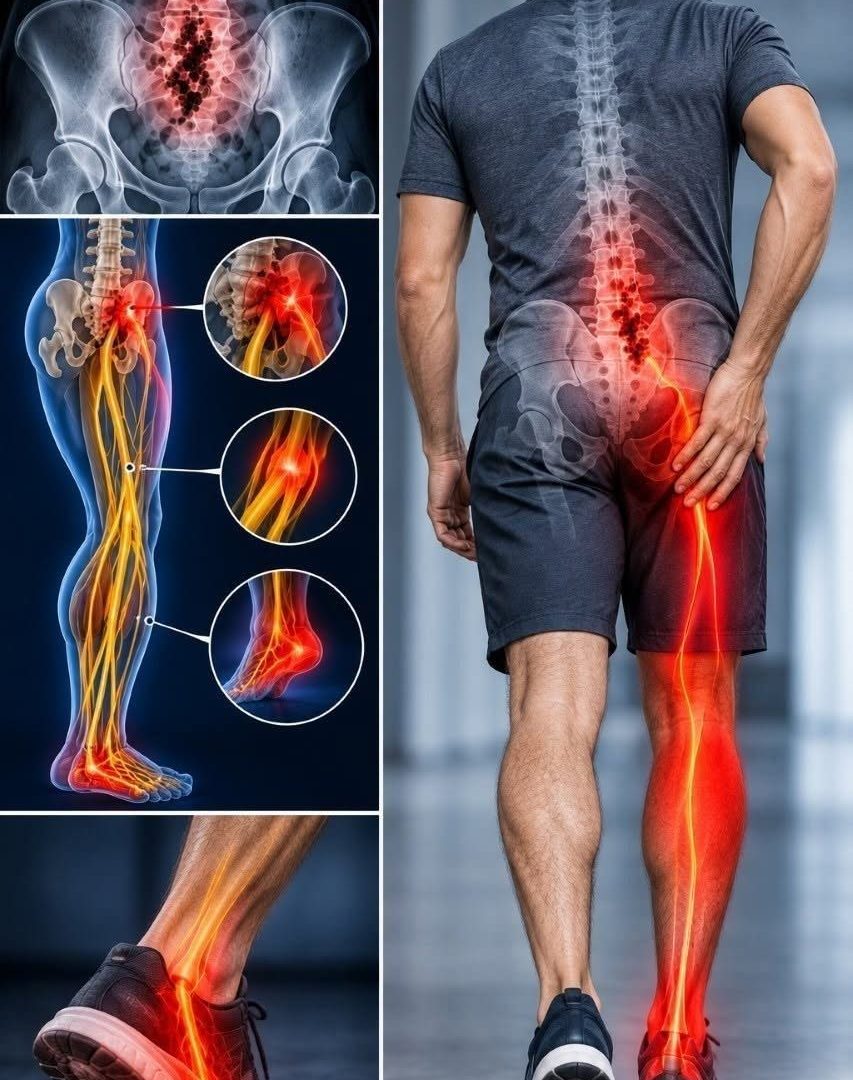
Sciatica can cause sharp, burning, or electric-shock-like pain that travels from the lower back or buttock down one leg. Some people also experience tingling, numbness, or weakness. It often occurs when a nerve root in the lower back becomes irritated or compressed.
Although no single exercise can cure every case of sciatica, gentle movement and appropriate stretching may help relieve symptoms and support recovery. The right exercises depend on what is causing the pain and how severe it is. <Cite refs={[“turn500266search1″,”turn500266search2”]}/>
1. Knee-to-Chest Stretch
<AsyncImage query=”physiotherapy single knee to chest stretch lying on back exercise demonstration” aspectRatio=”16:9″ width=”100%”/>
This gentle movement can help some people with lower-back tightness.
How to do it:
Lie on your back on a comfortable, firm surface.
Bend one knee and gently bring it toward your chest.
Hold for around 10–20 seconds, breathing normally.
Slowly lower the leg and repeat on the other side if comfortable.
Important: Stop if the movement increases the pain traveling down your leg. This stretch is not suitable for everyone, and pulling your knee farther is not necessarily better.
2. Gentle Piriformis Stretch
<AsyncImage query=”physiotherapy figure four piriformis stretch lying on back exercise demonstration” aspectRatio=”16:9″ width=”100%”/>
The piriformis is a muscle deep in the buttock. Stretching this area may help some people with buttock tightness, although sciatica often originates from the lower spine rather than this muscle.
How to do it:
Lie on your back with both knees bent.
Place the ankle of the affected side over the opposite knee, forming a figure-four shape.
If comfortable, gently bring the supporting thigh toward your chest.
Hold for 10–20 seconds without bouncing, then release slowly.
Do not force the stretch. If it produces sharp pain, tingling, or worsening symptoms down the leg, stop.
3. Gentle Walking
<AsyncImage query=”adult walking gently outdoors on level pathway for physiotherapy rehabilitation” aspectRatio=”16:9″ width=”100%”/>
Walking is often a practical way to remain active during recovery. Prolonged sitting or lying down can make it harder to return to normal activities.
How to start:
Begin with a short walk on level ground.
Use a comfortable pace and take breaks as needed.
Increase the duration gradually if symptoms remain manageable.
Avoid heavy lifting and movements that consistently aggravate your pain.
You do not need to push through severe pain. The goal is gentle movement, not an intense workout. <Cite refs={[“turn500266search0″,”turn500266search3”]}/>
Additional Tips for Managing Sciatica
Change position regularly instead of sitting for long periods.
Try a wrapped cold pack for up to 20 minutes at a time if it helps.
Gentle heat may also provide relief.
Ask a healthcare professional or pharmacist before using pain medication, especially if you have other medical conditions or take other medicines.
Arrange a medical assessment if the pain is severe, worsening, or interfering with everyday activities.
Warning Signs That Require Urgent Care
Seek emergency medical attention if you develop:
New difficulty starting or controlling urination.
Loss of bowel control.
Numbness around the genitals, buttocks, or inner thighs.
Severe or worsening weakness, especially in both legs.
These symptoms can indicate serious nerve compression and should not be treated with exercises at home. <Cite refs={[“turn500266search3″,”turn500266search1”]}/>
Final Thoughts
Gentle stretching and walking may help some people manage sciatica, but there is no universal exercise routine that cures every cause. Choose movements that feel comfortable, stop if symptoms worsen, and seek professional advice when needed.
Have you experienced pain that travels from your lower back or buttock down your leg? A healthcare professional can help determine whether it is sciatica and which exercises are appropriate for you.