Extremely Severe Storms: Understanding the Risks and How to Stay Safe
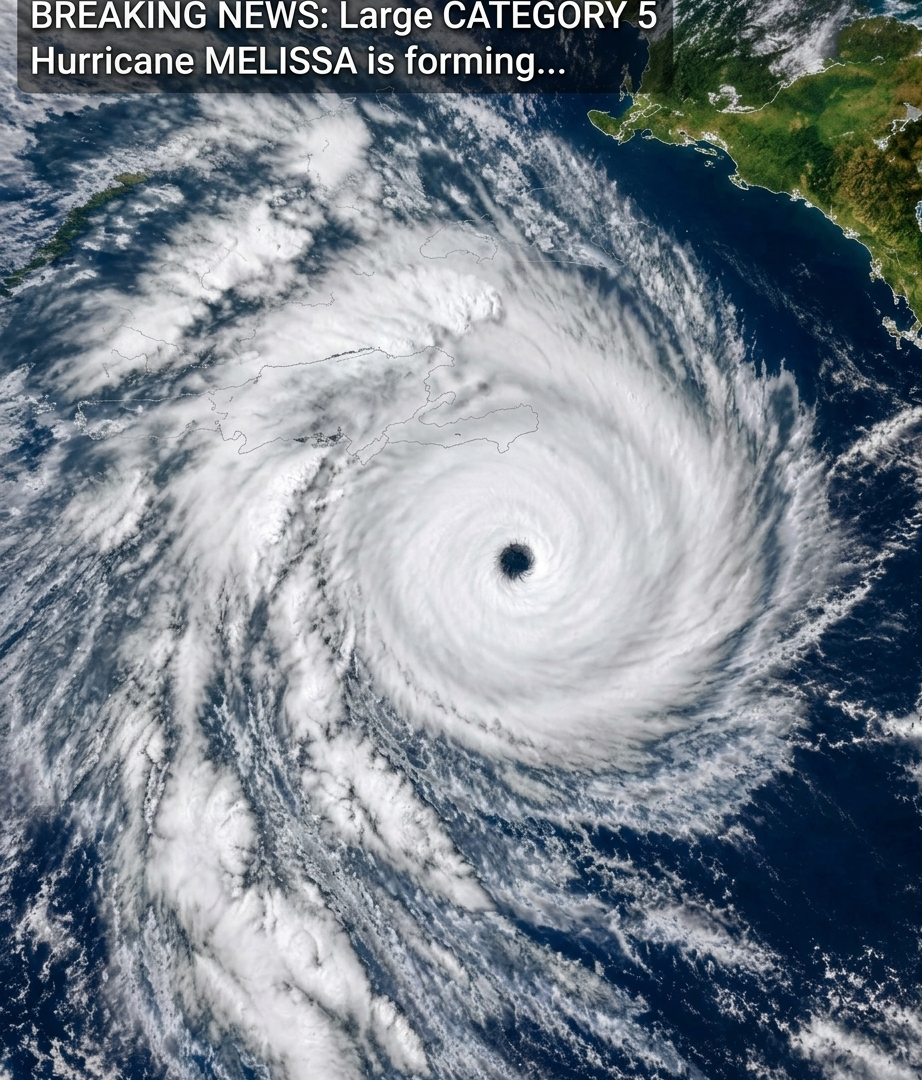
Dramatic images of powerful winds, dark storm clouds, and palm trees bending under intense weather have been circulating online alongside warnings about an extremely severe storm. Although the photographs show conditions that resemble dangerous weather, the exact location, date, and circumstances behind these images have not been independently confirmed.
Even so, severe storms are a serious safety concern. They can bring damaging winds, intense rainfall, lightning, flash flooding, and, in some cases, tornadoes. Understanding the risks and knowing how to respond can help protect lives and property.
What Makes a Storm Dangerous?
A storm does not need to produce a tornado to cause significant damage. Several weather hazards can develop during severe thunderstorms.
Powerful winds: Strong gusts can break tree branches, uproot trees, damage roofs, overturn unsecured outdoor objects, and bring down power lines.
Heavy rainfall: Intense rain can overwhelm drainage systems and cause streets, underpasses, and low-lying areas to flood quickly.
Lightning: Lightning can strike people outdoors, damage electrical equipment, and start fires. It remains dangerous even when the heaviest rain is some distance away.
Large hail and tornadoes: Some severe thunderstorms produce hail capable of damaging vehicles and buildings. Certain storms can also generate tornadoes, which may cause concentrated and destructive damage.
Why Do Storm Clouds Sometimes Look So Dark?
Large thunderstorm clouds can block substantial amounts of sunlight, making the sky appear unusually dark. Their appearance may become even more dramatic when rain curtains, low cloud formations, and changing light conditions combine.
However, a dramatic cloud formation does not automatically mean that a tornado or another extreme event is occurring. Weather conditions must be assessed using reliable observations and official meteorological information rather than photographs alone.
What Should You Do When a Severe Storm Approaches?
Taking precautions before a storm arrives can reduce the risk of injury.
Move indoors: Stay inside a sturdy building and keep away from windows during strong winds.
Avoid trees and exposed areas: Do not shelter beneath trees, near power poles, or in open spaces during lightning and strong winds.
Secure outdoor objects: If it is safe to do so before the storm arrives, bring in loose furniture, tools, and other objects that could become airborne.
Stay away from floodwater: Never walk or drive through floodwater when its depth or current is uncertain.
Protect electrical equipment: Unplug sensitive equipment before conditions become dangerous, if it is safe to do so, and avoid handling electrical devices connected to wet surfaces.
Follow official alerts: Monitor local meteorological services and emergency authorities for warnings, evacuation instructions, and updates.
If you are driving when severe weather develops, slow down when conditions permit and find a safe place to stop away from trees, power lines, and flood-prone roads. Do not stop in a location where you could obstruct emergency vehicles or expose yourself to additional danger.
Can Social Media Images Confirm an Emergency?
Not by themselves. Photographs can be old, edited, taken in another country, or reposted with a misleading caption. A claim that a storm has just struck a particular city should be checked against the original post, its publication date, and reports from reliable local news organizations or official weather services.
The images circulating with this warning do not establish the precise location or timing of the reported storm. Readers should therefore avoid sharing them as confirmation of a current emergency without additional evidence.
Final Thoughts
Severe weather deserves attention, but accurate information is just as important as preparedness. Staying informed through official alerts, taking shelter when necessary, and avoiding flooded roads can make a critical difference when dangerous conditions develop.
Have you experienced a severe storm in your area recently? Share your experience in the comments, and remember to verify emergency warnings through reliable local sources before passing them on.