8 Types of Pills That Can Harm Your Kidneys When Overused
Not every pill is dangerous for the kidneys. The real concern is certain medications, high doses, long-term use, dehydration, existing kidney disease, or combinations of medicines.
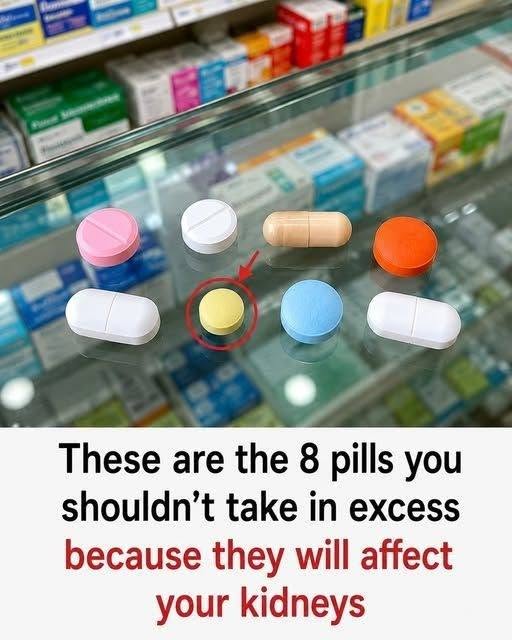
The viral image is therefore too broad when it says these pills simply “damage your kidneys.” Some medications can actually protect the kidneys when used correctly.
1. NSAID Painkillers
Examples include:
Ibuprofen
Naproxen
Diclofenac
Indomethacin
Meloxicam
Celecoxib
These medications can reduce blood flow through the kidneys and potentially cause acute kidney injury or worsen chronic kidney disease, particularly with high doses or prolonged use.
The risk is higher if you’re dehydrated or already have kidney problems.
2. High-Dose Aspirin
Aspirin has many legitimate medical uses, and low-dose aspirin prescribed for certain cardiovascular conditions is different from taking large doses for pain.
Higher doses can put additional stress on the kidneys, particularly in people who already have kidney disease.
Never stop prescribed aspirin without speaking to your doctor.
3. Certain Antibiotics
Some antibiotics can affect kidney function, particularly certain drugs used for serious infections.
The risk depends on the specific antibiotic, dose, duration and the patient’s kidney function.
Doctors may adjust the dose when kidney function is reduced.
4. Some Diuretics
Diuretics, often called water pills, increase urine production and are commonly used to treat high blood pressure, heart failure and fluid retention.
They are not inherently “bad for the kidneys.” However, excessive fluid loss or dehydration can contribute to acute kidney injury in certain circumstances.
They should be taken exactly as prescribed.
5. ACE Inhibitors and ARBs
Examples include:
Lisinopril
Ramipril
Losartan
Valsartan
This is an important exception.
These medications can cause a temporary change in kidney function after starting treatment, but they are also commonly used to protect kidney function, particularly in people with high blood pressure, diabetes or protein in the urine.
Don’t stop them simply because you’ve seen a viral warning.
6. Certain Cancer Medications
Some chemotherapy and other cancer treatments can affect the kidneys.
Because these medicines can be essential for treating cancer, doctors monitor kidney function and adjust treatment when necessary.
7. Lithium
Lithium is an important medication for certain psychiatric conditions.
Long-term use can affect kidney function in some people, which is why patients taking lithium generally need regular blood tests and medical monitoring.
Stopping lithium suddenly without medical guidance can also be dangerous.
8. Some Other Prescription Medicines
A number of medications can affect the kidneys under particular circumstances, including some antiviral, antifungal and immunosuppressive drugs.
This doesn’t mean they should be avoided. In many cases, they are necessary treatments and can be used safely with appropriate monitoring.
⚠️ The “Triple Whammy” Combination
One particularly important combination is:
NSAID + ACE inhibitor/ARB + diuretic
Taking these together can significantly increase the risk of acute kidney injury, especially when the person is dehydrated.
This is one reason it’s important to tell your doctor or pharmacist about every medication you’re taking, including over-the-counter painkillers.
🩺 How Can You Protect Your Kidneys?
Don’t regularly take painkillers without checking whether they’re appropriate for you.
Avoid taking more than the recommended dose.
Be particularly careful with NSAIDs if you have kidney disease.
Tell your doctor if you have vomiting, diarrhea or dehydration while taking certain medications.
Keep your blood pressure and blood sugar under control.
Have your kidney function checked when your doctor recommends it.
Tell your pharmacist about all prescription medicines, OTC medicines and supplements you use.
🚨 The Bottom Line
There are no universal “8 pills you should never take.”
The risk depends on the medication, dose, duration, kidney function and other medicines being taken.
And most importantly: never stop a prescribed medication because of a social-media post. Ask your doctor or pharmacist whether the medicine is appropriate for your kidney function and whether monitoring is needed.