What Happens When Your Body Doesn’t Get Enough Water? 8 Hidden Signs of Dehydration
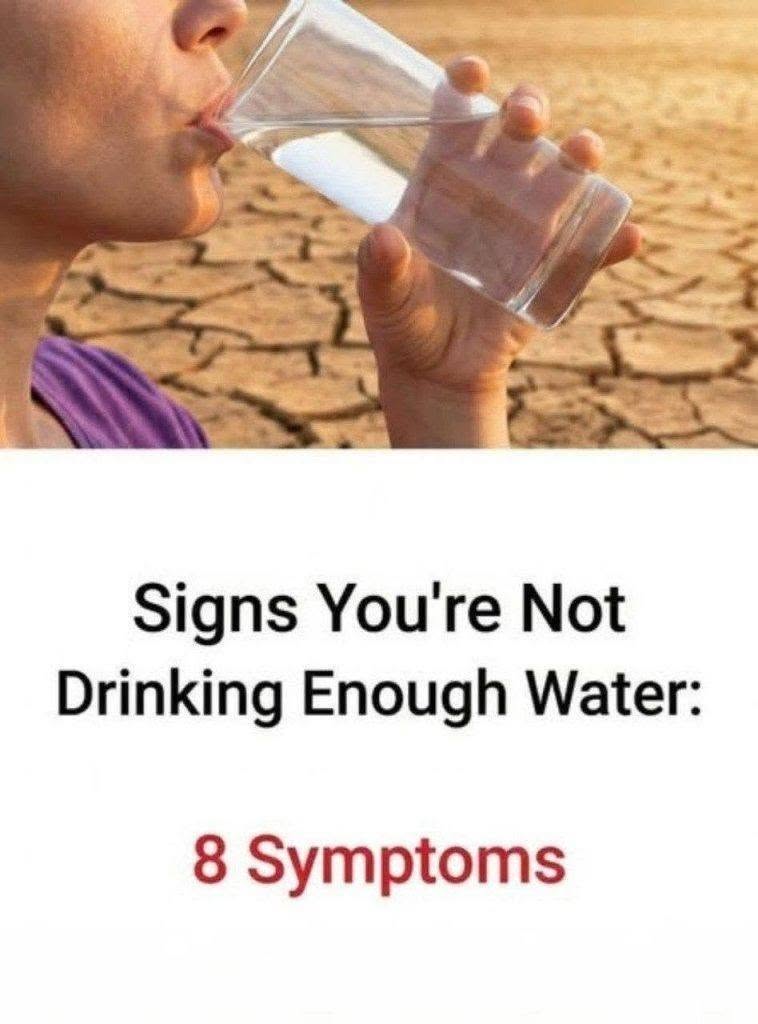
Water makes up roughly 60% of the human body and is crucial for keeping every organ functioning smoothly. Despite its importance, many of us forget to drink enough fluid throughout the day. When your body starts running low on water, it sends out specific warning signals to get your attention.
Here are the 8 major symptoms that reveal you aren’t drinking enough water.
1. Persistent Headaches and Brain Fog 🧠
When you become dehydrated, your total blood volume drops slightly, reducing the flow of oxygen and blood to your brain. This can trigger frequent tension headaches, a heavy feeling in your temples, or lightheadedness when standing up too quickly.
2. Unexplained Fatigue and Low Energy 🥱
Feeling exhausted even after a full night’s sleep? Dehydration slows down blood circulation, forcing your heart to work harder to pump nutrients throughout your body. This extra strain leaves you feeling sluggish and drained.
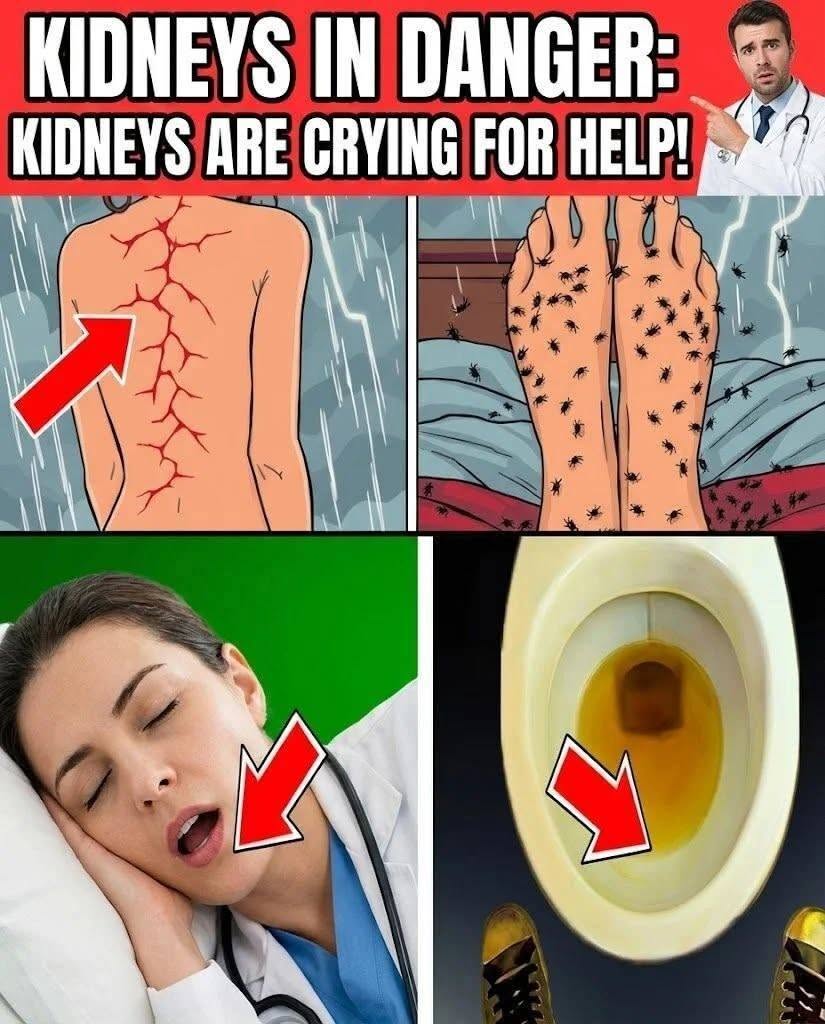
3. Dark Urine and Less Frequent Bathroom Trips 🚽
This is the easiest visual test to gauge your hydration levels. Clear or pale yellow urine indicates good hydration. In contrast, dark yellow or amber-colored urine signals that your kidneys are conserving fluid and concentrating waste products due to a water shortage.
4. Dry Mouth and Bad Breath 👄
Water is essential for producing saliva, which contains natural antibacterial agents. Without adequate water, saliva production slows down, allowing odor-causing bacteria to thrive in your mouth and leading to dry mouth and bad breath.
5. Digestive Trouble and Constipation 🧘♂️
Your digestive system relies heavily on water to process food and move waste smoothly through the intestines. When you’re dehydrated, your colon absorbs water from food waste, leaving behind hard, difficult-to-pass stools.
6. Sudden Cravings for Sweets and Snacks 🍫
The brain frequently confuses thirst signals with hunger cues. When you are dehydrated, your liver struggles to release glycogen (stored glucose), which can trigger sudden cravings for sugar and energy-dense snacks.
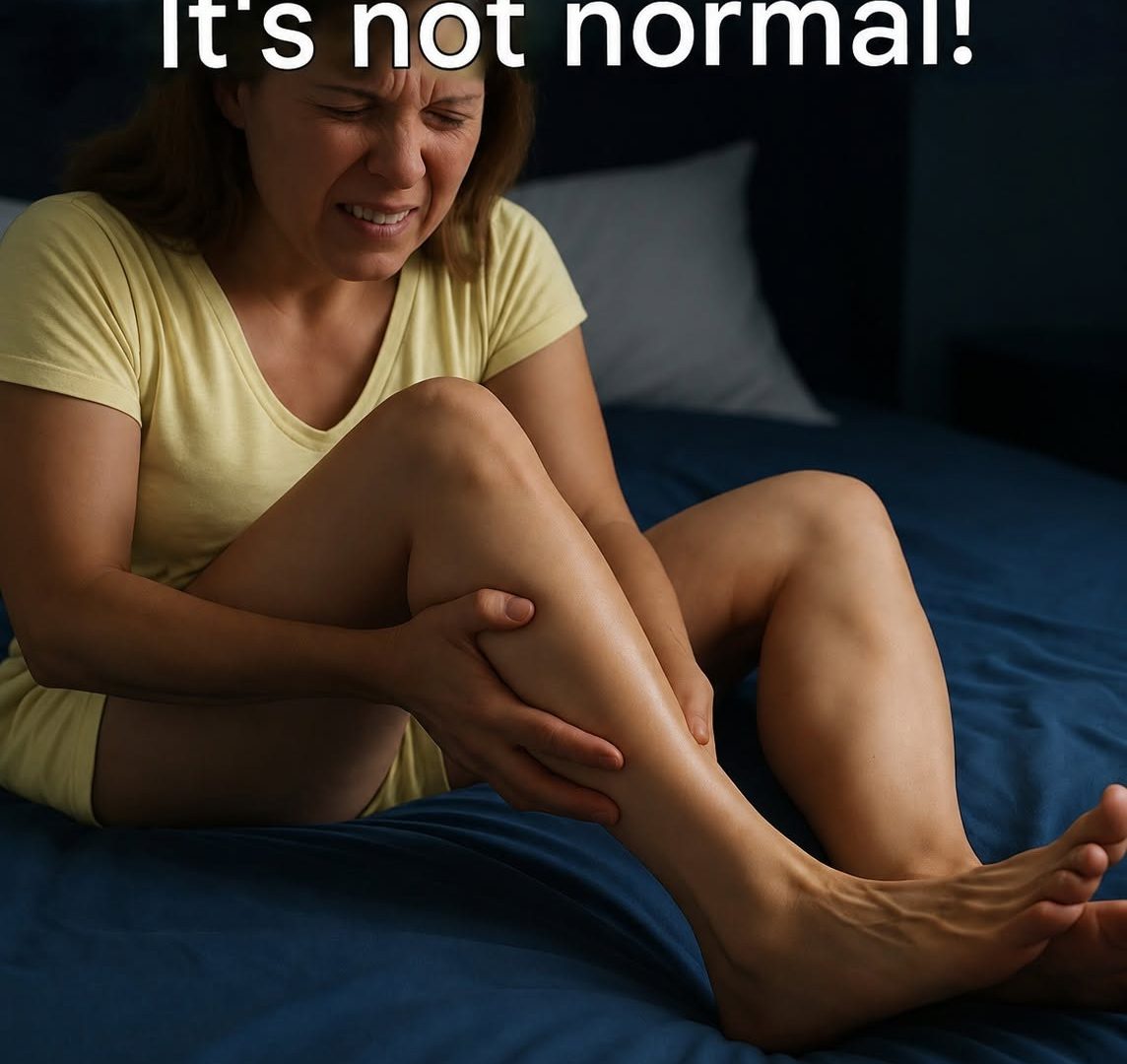
7. Muscle Cramps and Stiffness 🏋️♂️
Water and electrolytes (like sodium and potassium) are vital for proper muscle contraction and relaxation. A lack of hydration disrupts this delicate electrolyte balance, leading to painful muscle spasms and cramps—especially during or after exercise.
8. Dry, Dull Skin and Loss of Elasticity 🪞
Dehydrated skin loses its natural glow, feels rough, and makes fine lines more prominent. To check your hydration level, gently pinch the skin on the back of your hand: if it takes a moment to snap back into place, your body needs water.
How Much Water Should You Drink Daily?
A solid general rule for adults is to aim for 1.5 to 2 liters (64 oz) of water per day, adjusting upward for physical activity and warmer weather. Don’t wait until you’re parched to grab a glass—feeling thirsty is a sign that mild dehydration has already set in!
Have you experienced any of these symptoms today? Keep a water bottle close by and share this article to help your friends stay hydrated!